THECORE at ZⓈONAMACO: A Paperless, Sustainable Editorial Table
At Mexico City’s leading art fair, THECORE chose to show up differently: no stacks of printed magazines, just a quiet editorial table, a few covers, and QR codes that opened a living archive of architecture, design and art.
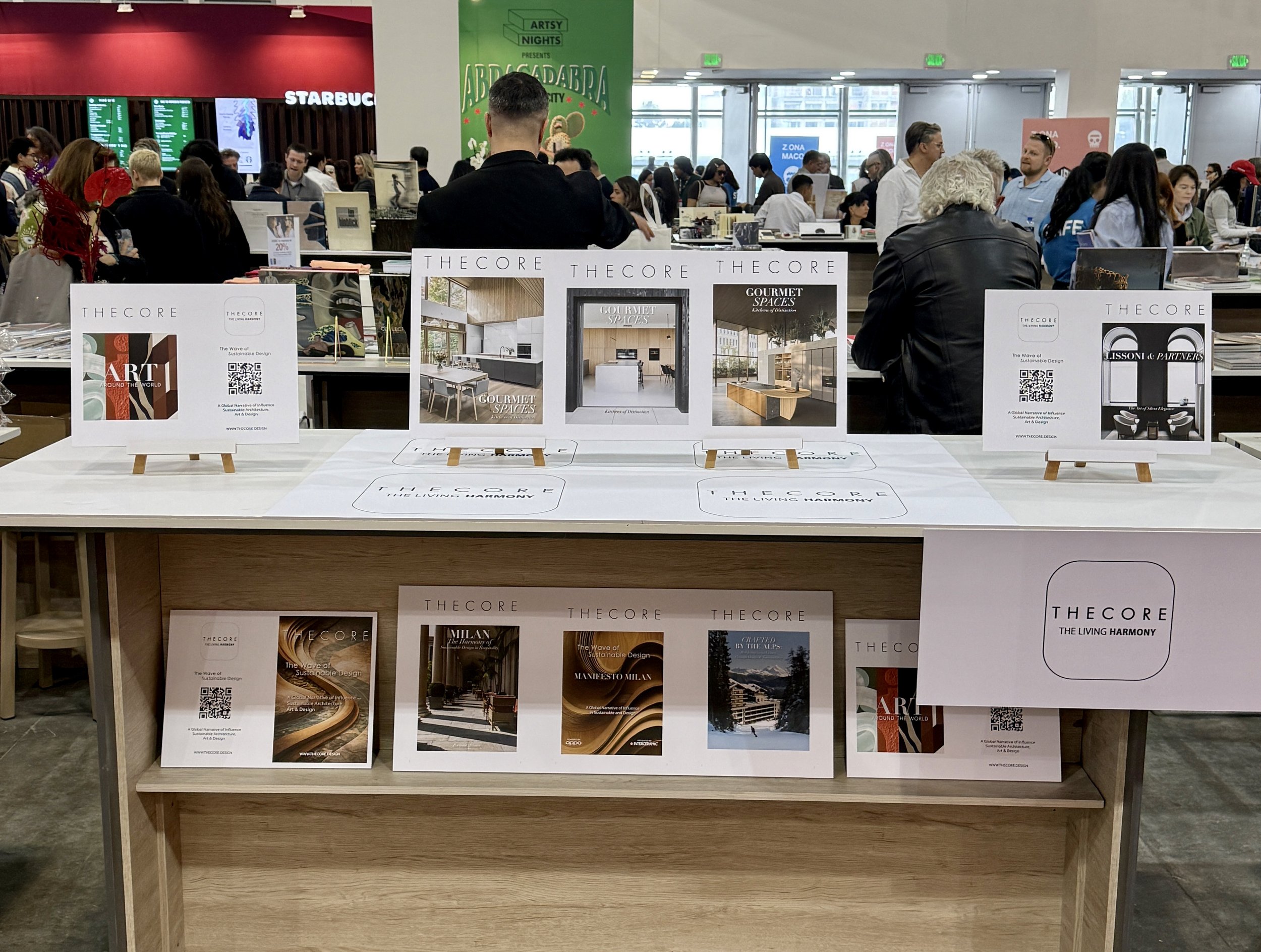
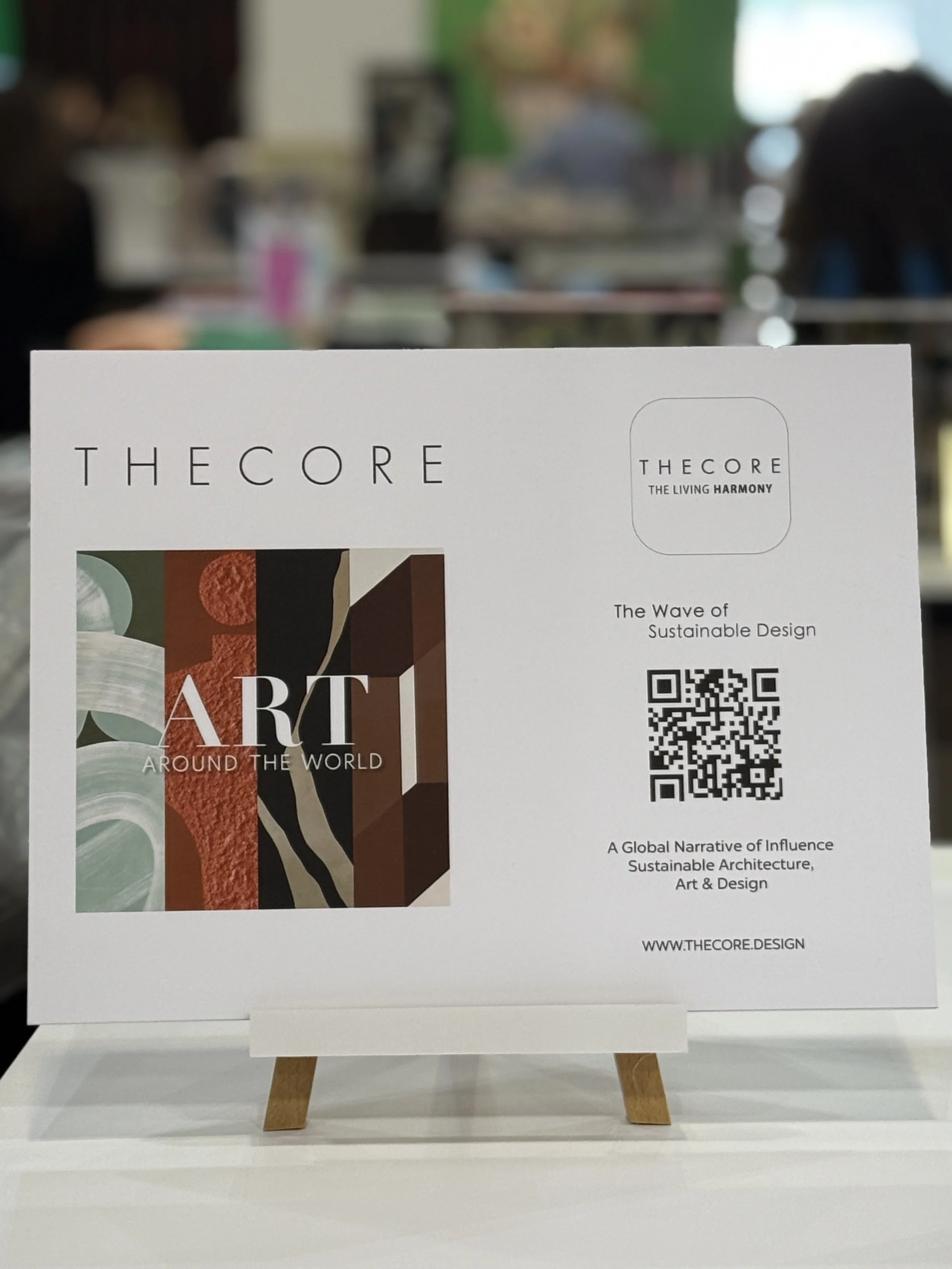
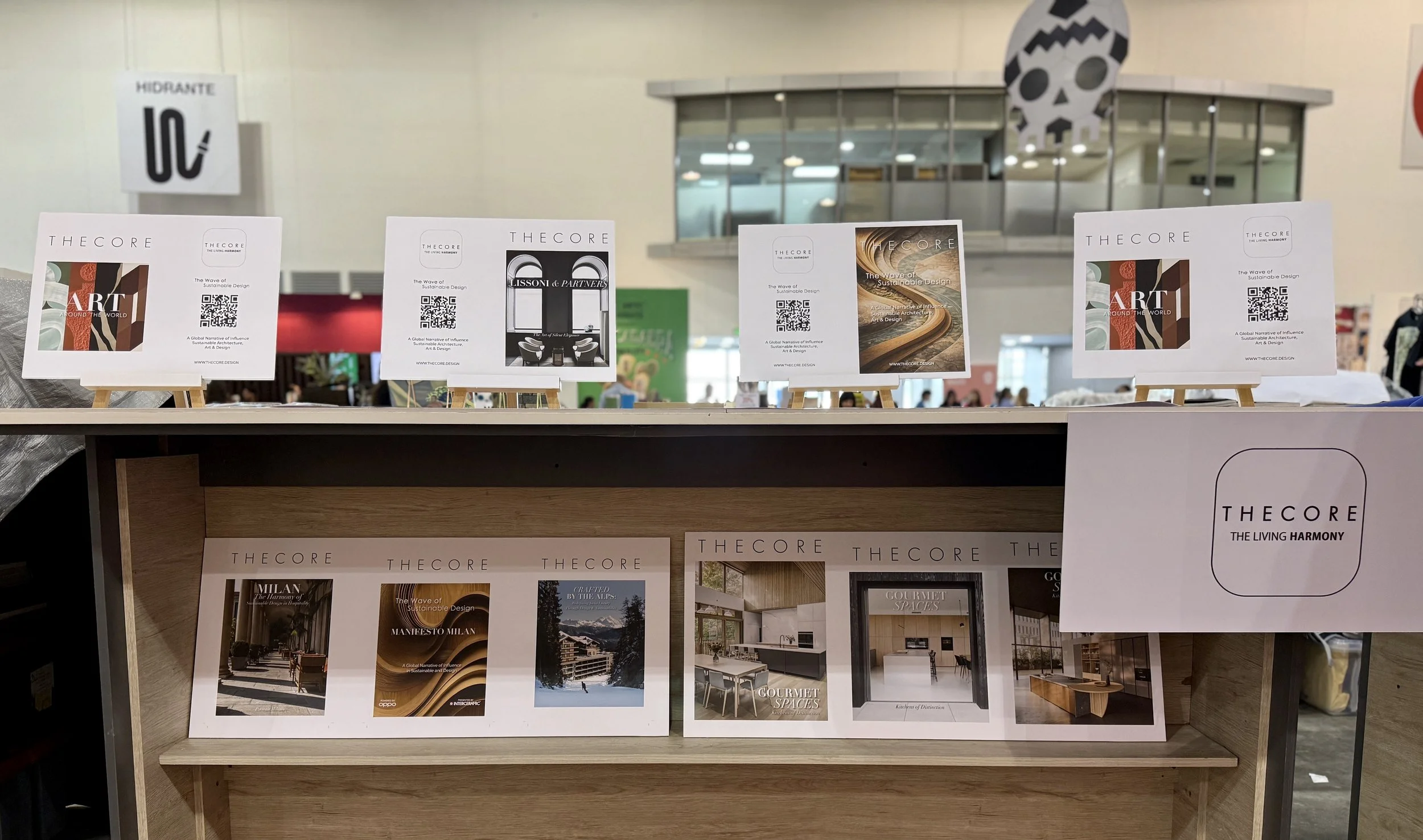
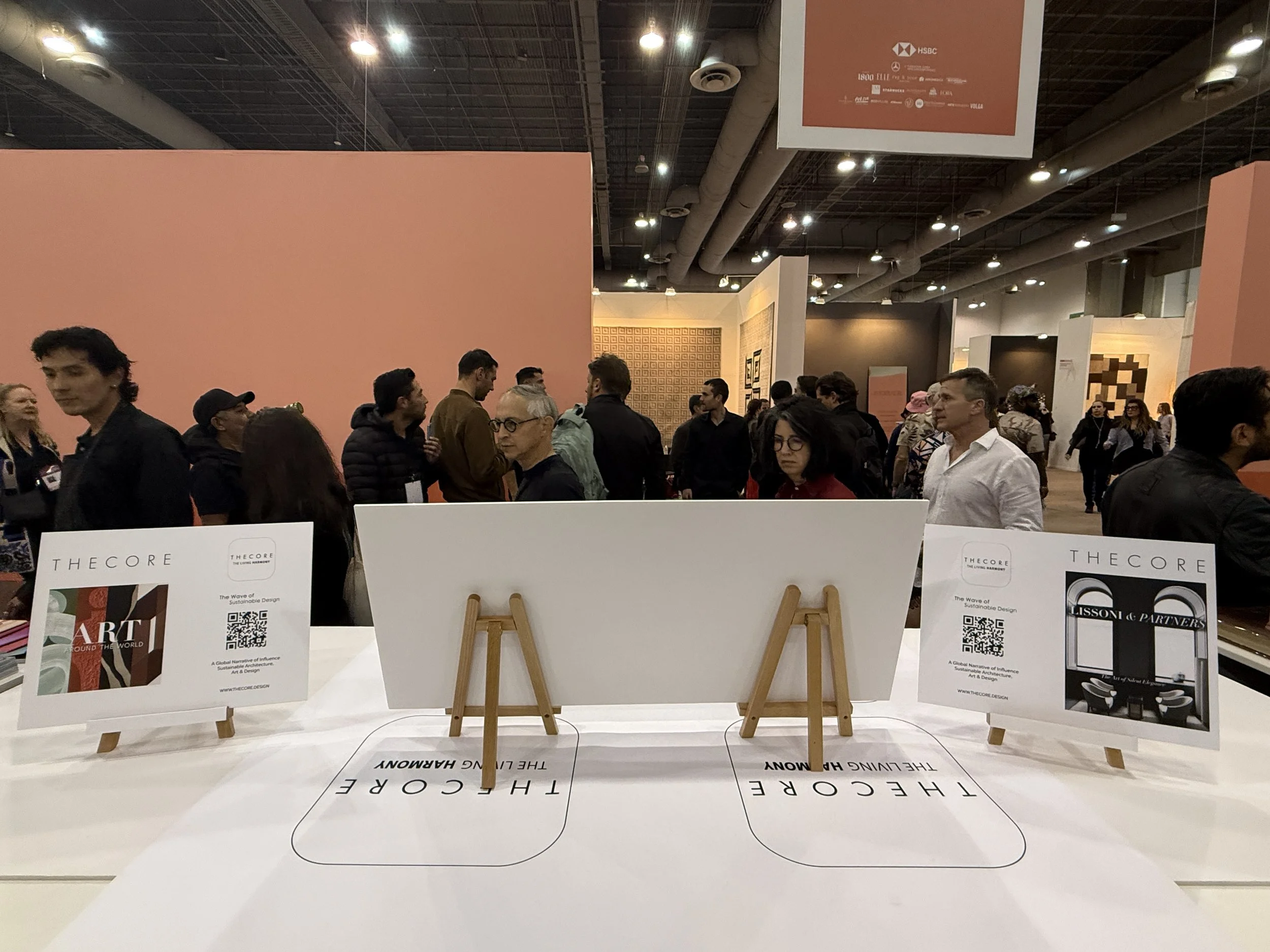
In a hall filled with colour, noise and limited-edition objects, our presence at ZⓈONAMACO was deliberately understated: a white table, four easels, a line of digital covers and a simple promise printed on each sign — THE WAVE OF SUSTAINABLE DESIGN.
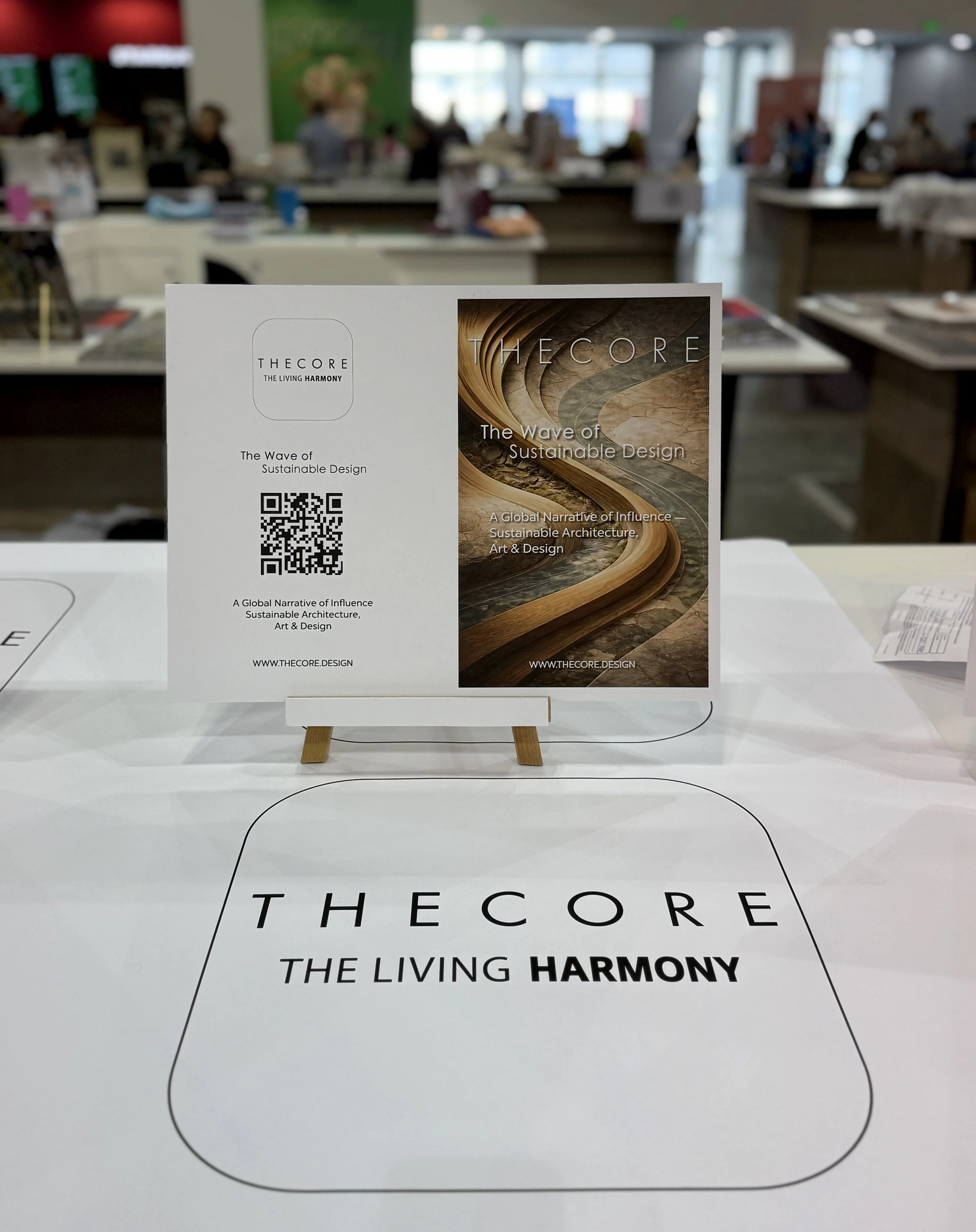
No towering booth, no storage full of catalogues. Just a small stand designed like a page: clean margins, precise typography and one clear call to action — scan to explore.
Why we went paperless
Fairs are incredible ecosystems of creativity, but they also generate an extraordinary amount of waste. For a platform that speaks constantly about responsible luxury and long-term value, it felt inconsistent to hand out hundreds of printed copies that might live only a few days.
So we treated ZⓈONAMACO as a live experiment:
What happens if a media brand shows up with almost no paper at all?
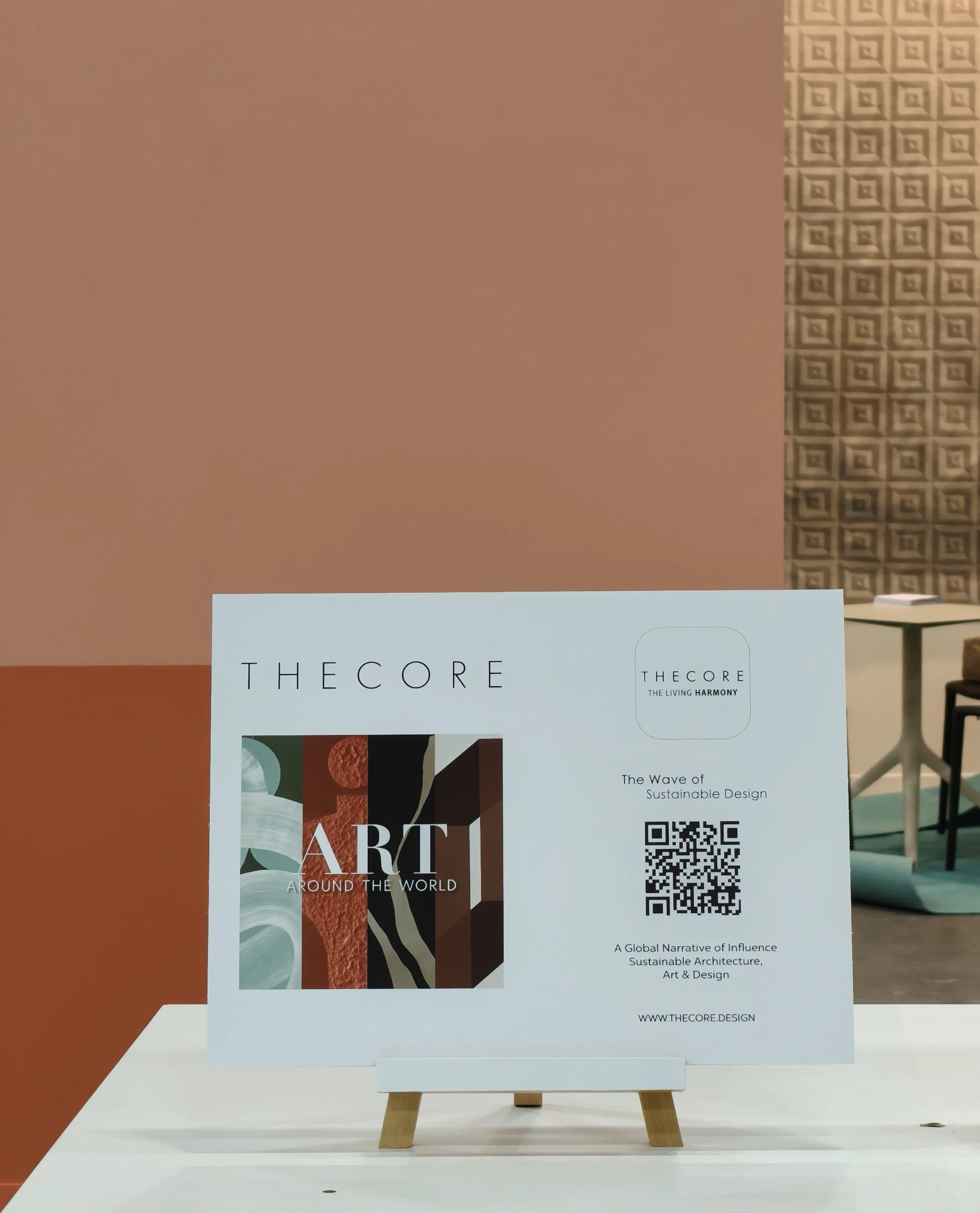
Instead of pallets of magazines, we brought QR-driven access to our digital editions — including Art Around the World and The Wave of Sustainable Design — along with a concise presentation of our editorial calendar.
Visitors didn’t carry heavy bags home. They carried living links: editions that update, pages that can be bookmarked, shared, revisited.
A stand designed like an editorial spread
The stand echoed the way we design our issues:
A central THECORE · The Living Harmony layout acting like a masthead.
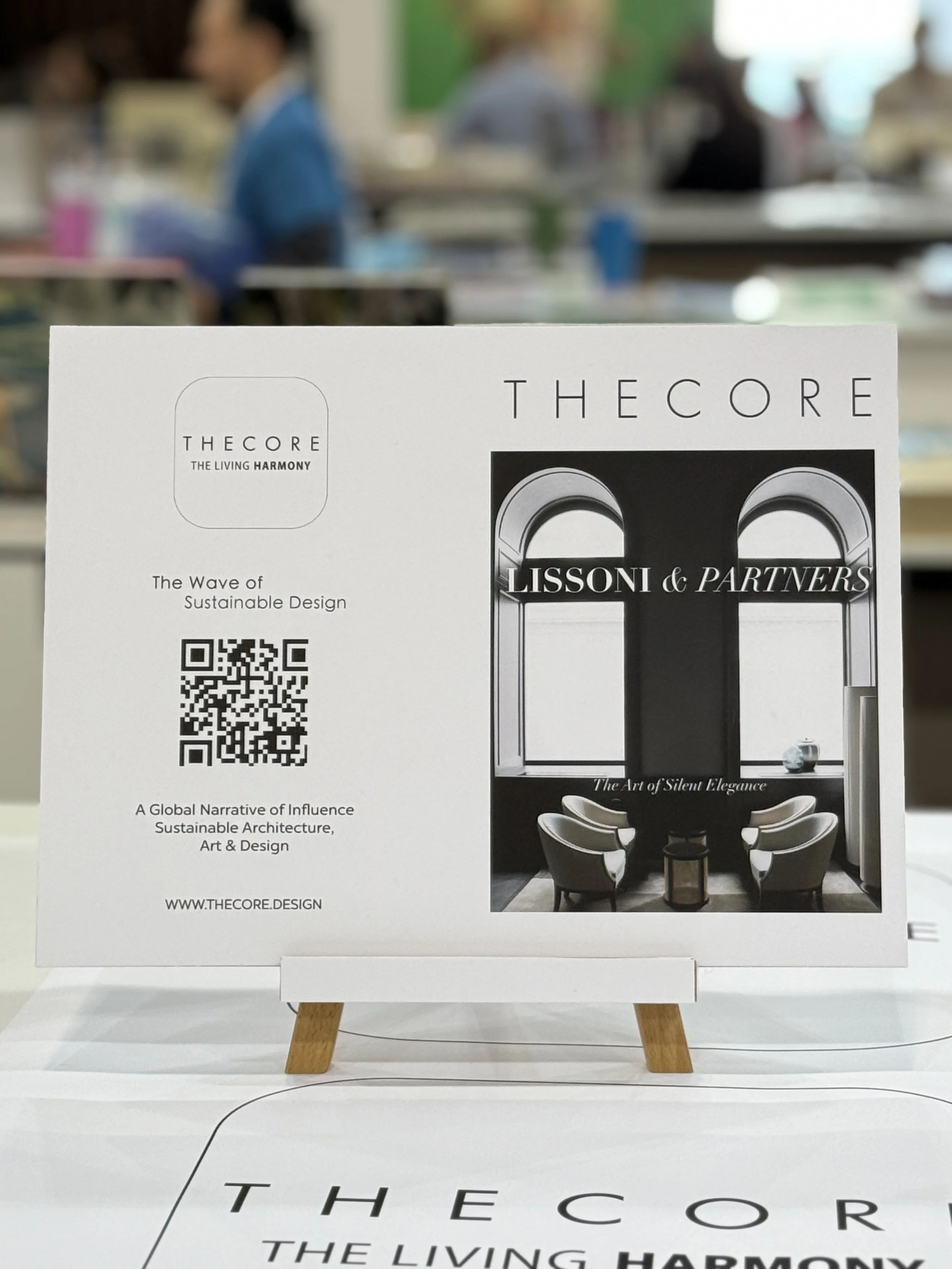
Four framed covers, each with a unique QR code, working as visual anchors.
Along the front edge, a curated row of past editions — from Milan to kitchens to art — like a miniature archive.
Rather than a conventional trade stand, it felt more like an editorial table in the middle of the fair: a place where you could pause, scan, and step into a wider narrative of architecture, design and art.
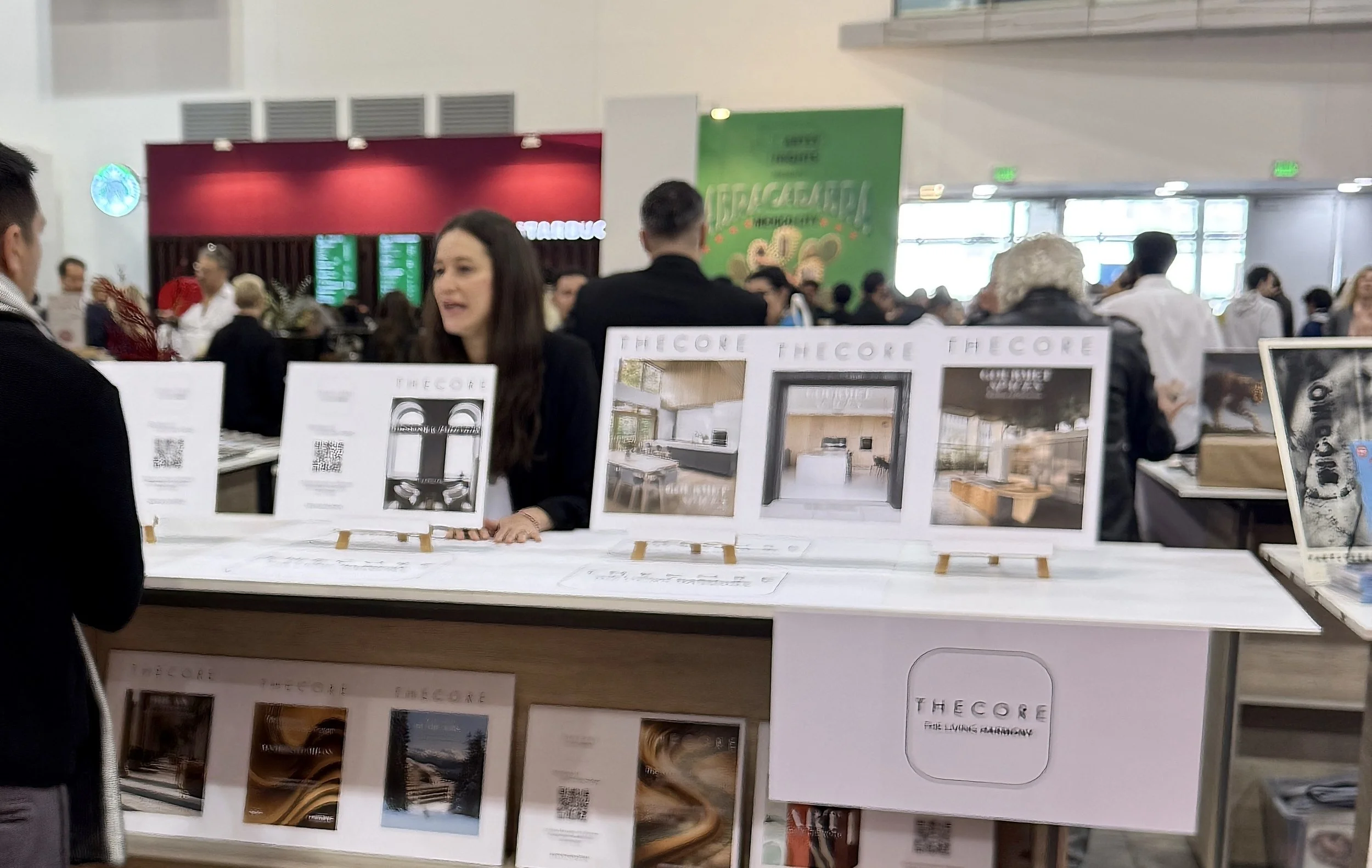
Many conversations began the same way:
“So… everything is digital?”
From there, the dialogue moved naturally toward what matters most to us: how sustainable design can also reshape how we communicate, publish and circulate ideas.
Sustainability as practice, not slogan
Going paperless was not just a visual choice; it was a test in alignment:
Less material, more intention
One light table, a few reusable displays and minimal printing reduced our footprint and simplified logistics.Digital as a long-term promise
A printed catalogue ages the moment the fair ends. A digital edition can weave into future issues, blog posts and The Wave’s growing archive.From objects to relationships
Instead of leaving with a stack of things, visitors left with a path to stay connected — through our site, newsletter and future editions.
How can beauty and responsibility move together?
For us, ZⓈONAMACO was not just another appearance on the calendar. It was a prototype — a first step toward a new kind of presence at fairs and events where less material, more meaning becomes the rule rather than the exception.
And yes, this is only the beginning.
The next iterations of The Wave — in Milan, Madrid, Mexico and beyond — will build on this experiment, refining how a sustainable, collectible editorial platform can live both online and in the physical world.