NNER STAGE · Design, Bodies and Tradition at the Escuela del Ballet Folklórico
Mexico City Art Week 2026 · The Wave of Sustainable Design
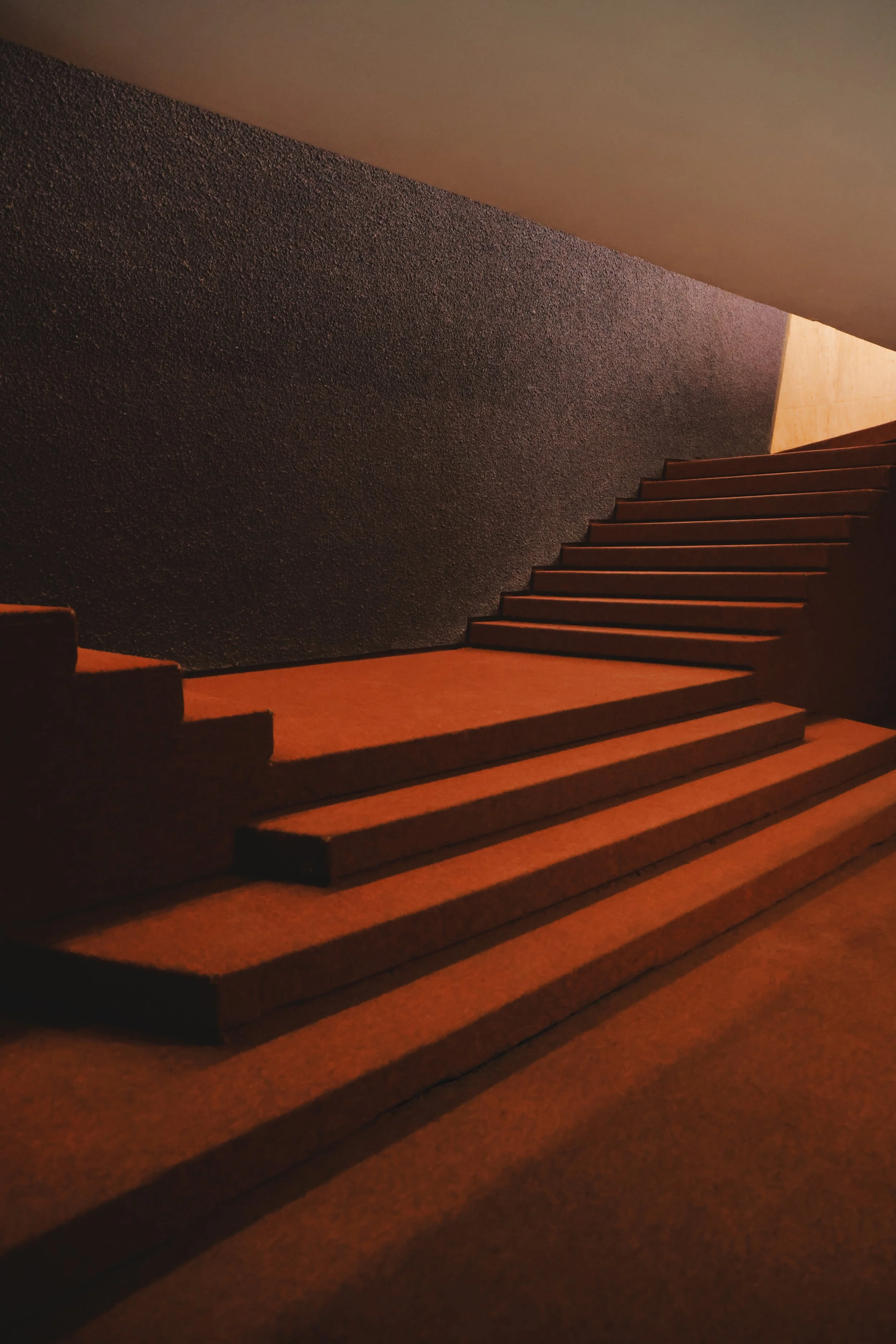
At Mexico City’s iconic Escuela del Ballet Folklórico de México, Inner Stage turns Agustín Hernández’s brutalist architecture into a living scenography: a choreography between design, dance and memory that reimagines how we inhabit cultural space during Art Week.
During Mexico City Art Week 2026, while the city fills with fairs, previews and openings, Inner Stage offers a different scale of experience: stepping into a dance school and letting bodies, light and sound do the work that gallery walls usually carry.

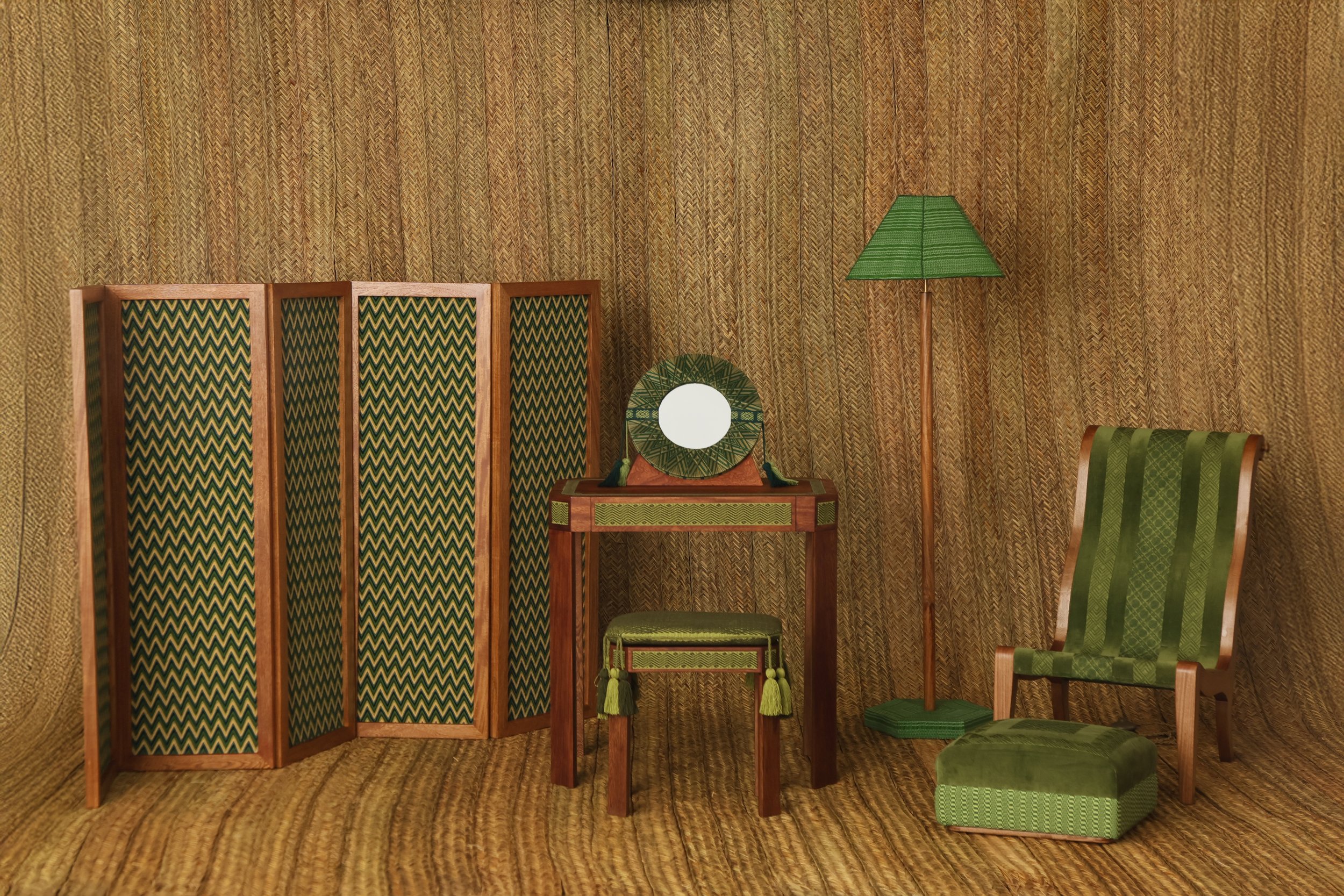
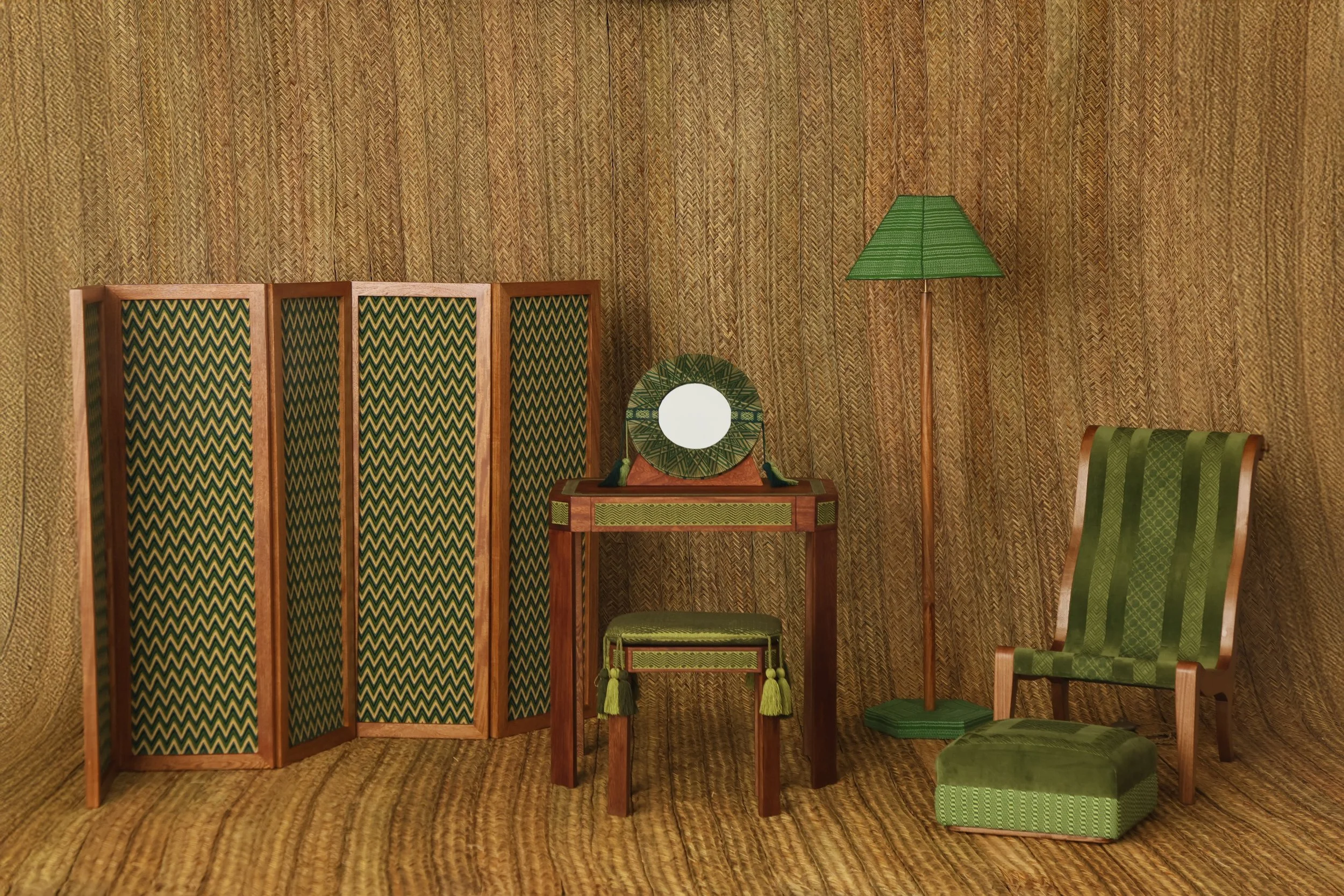
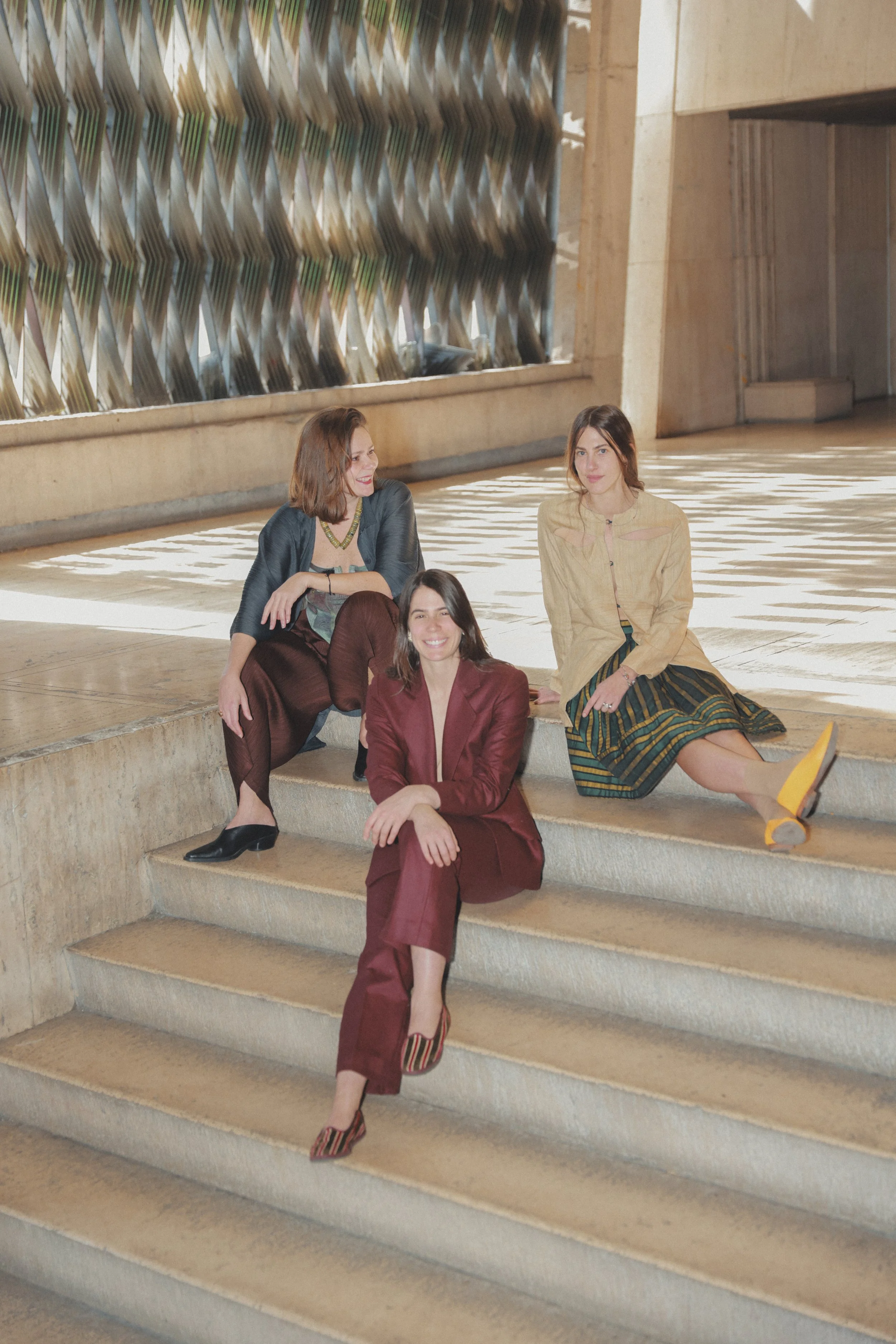
The project inhabits the Escuela del Ballet Folklórico de México, designed by Agustín Hernández Navarro—a brutalist building that is already choreographic in its bones: ramps, landings, voids and staircases conceived for movement. Onto this architecture, Inner Stage layers a series of contemporary elements—furniture, textiles, rugs, lighting, blown glass—that don’t compete with the space so much as listen to its rhythm and subtly amplify it.

A stage within the stage
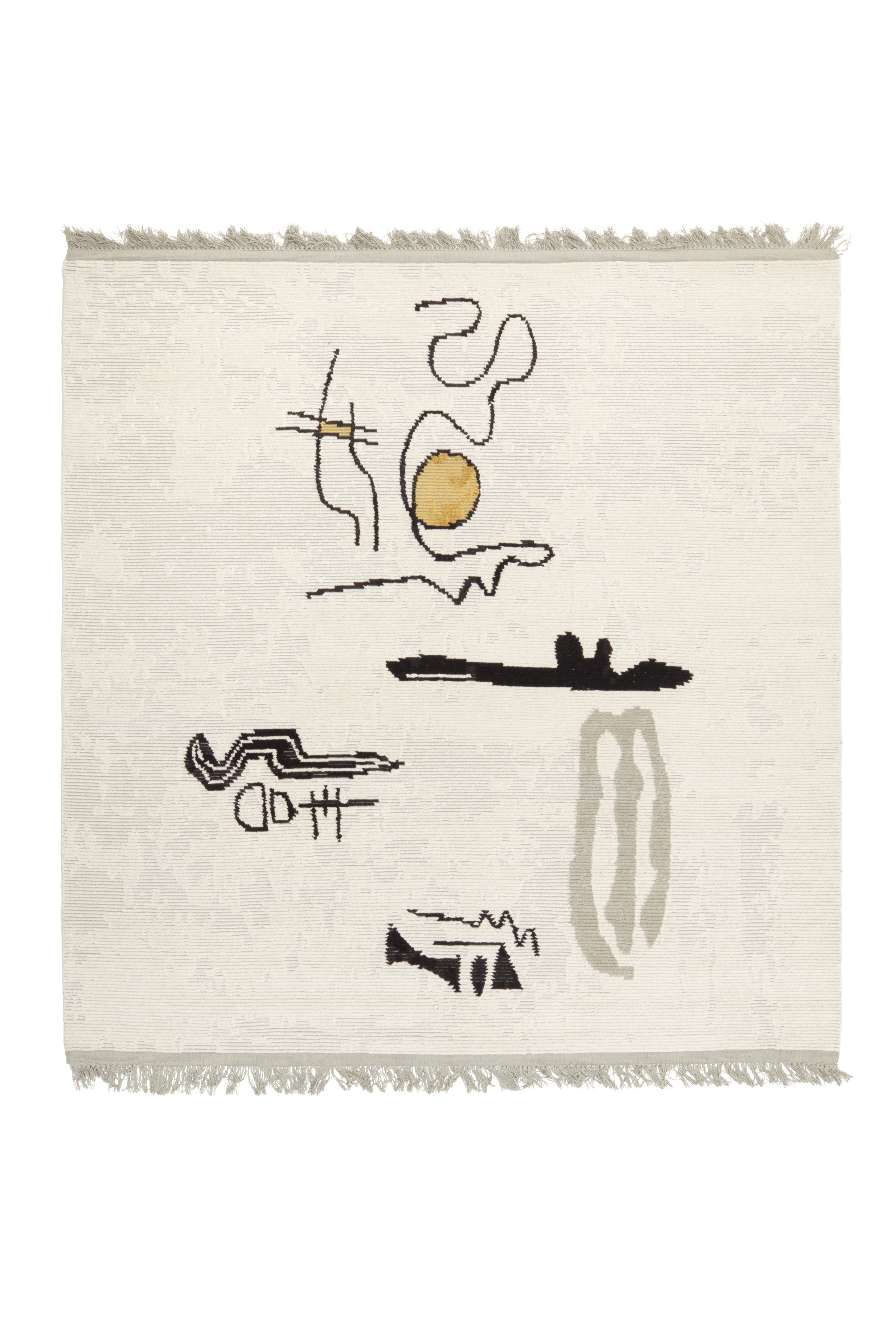
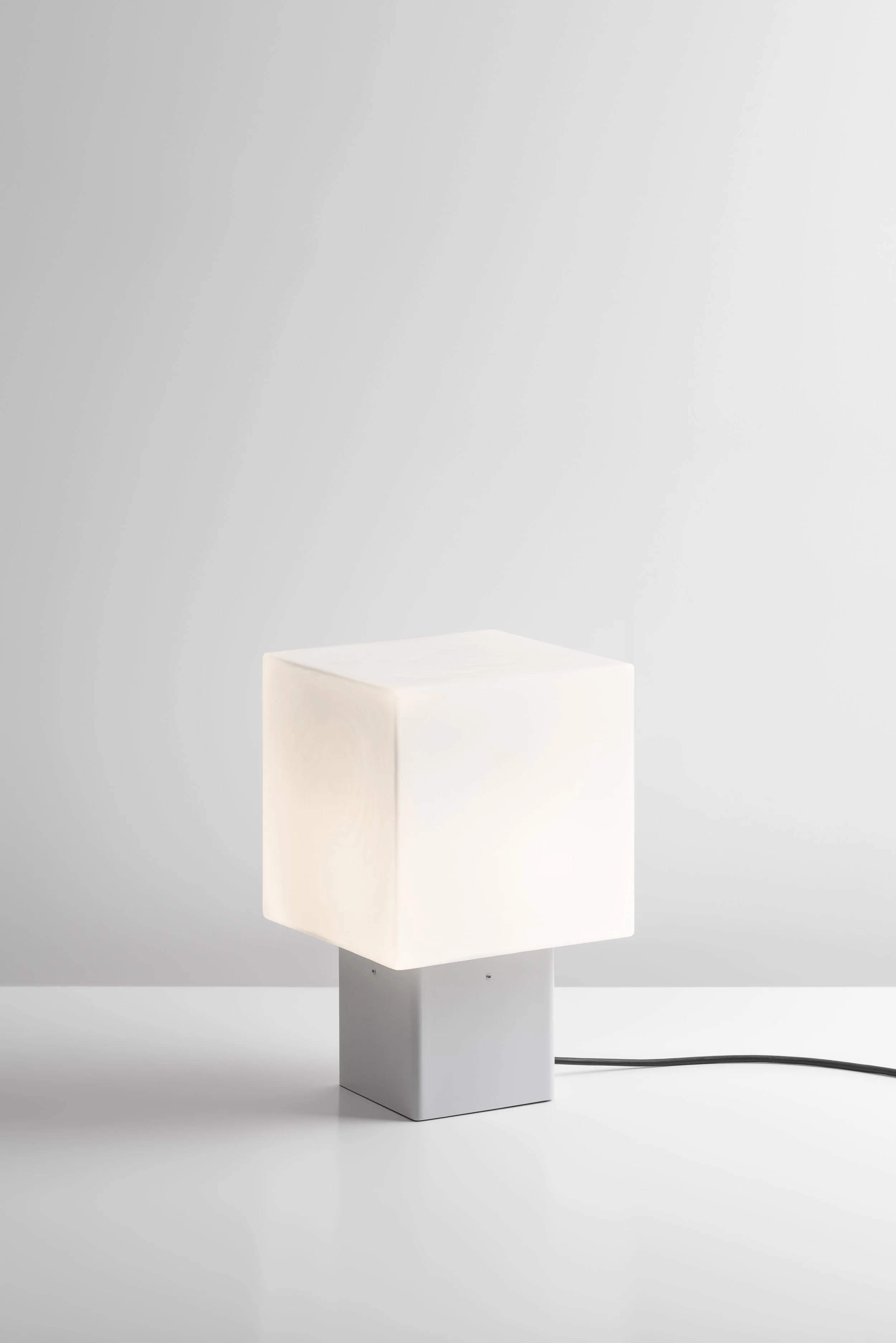
The installation is the result of a collaboration between Studio 84, UNNO Gallery, cc-tapis and 6:AM glassworks. Together, they treat the school as an architectural body, adding new “organs” to it: platforms, glass pieces, rugs, textiles and seats that act as small islands scattered across the building.

Far from being just a photogenic set, Inner Stage is activated by a live performance directed by Mauricio Ascencio. Dancers from the Ballet Folklórico move through the stepped bleachers, rest on the rugs, cross stairs and bridges with minimal gestures that quietly redraw the notion of “stage.” The Banda Mixteca de Santa Cecilia adds a sonic layer that connects the project to living traditions rather than to an abstract idea of folklore.
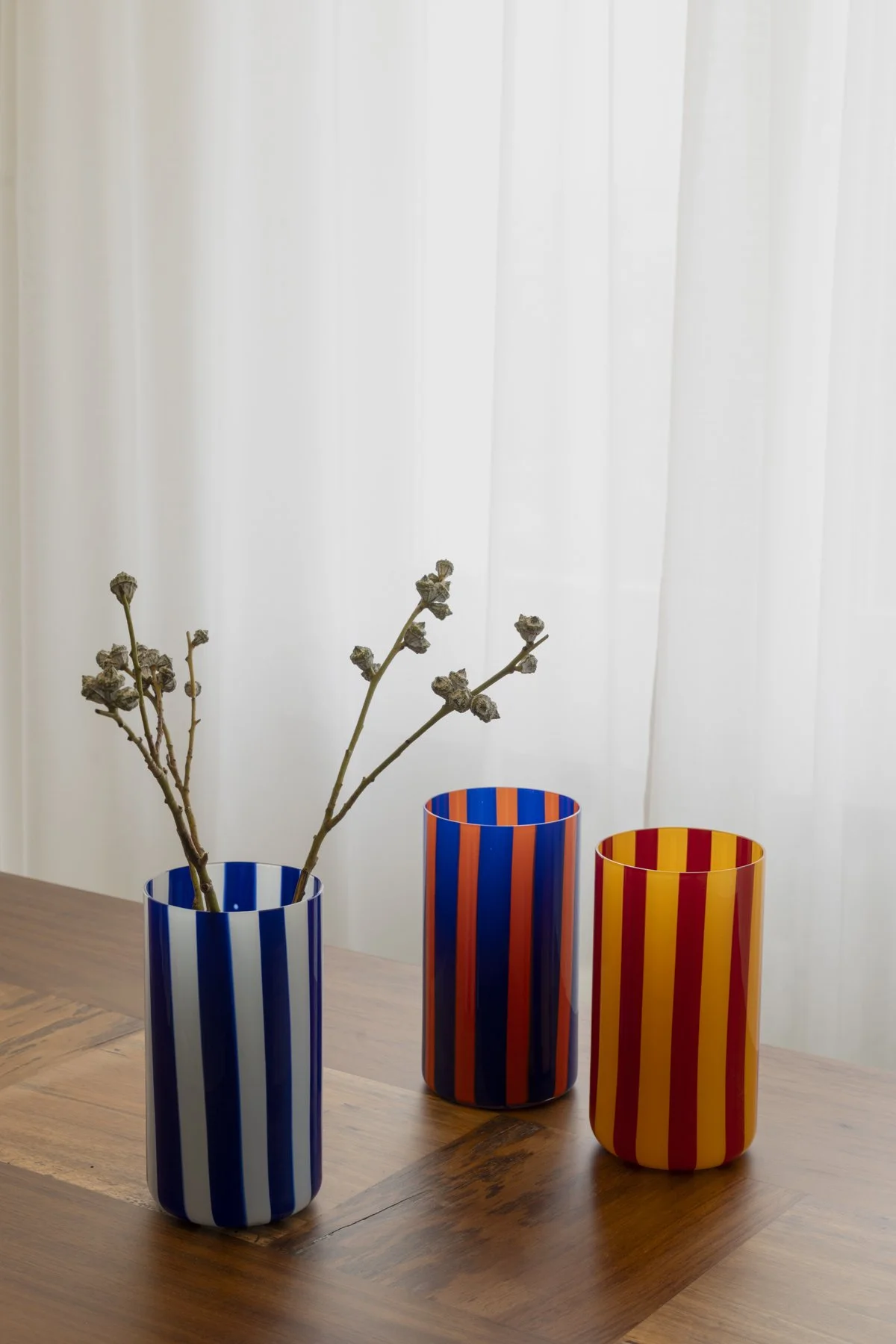
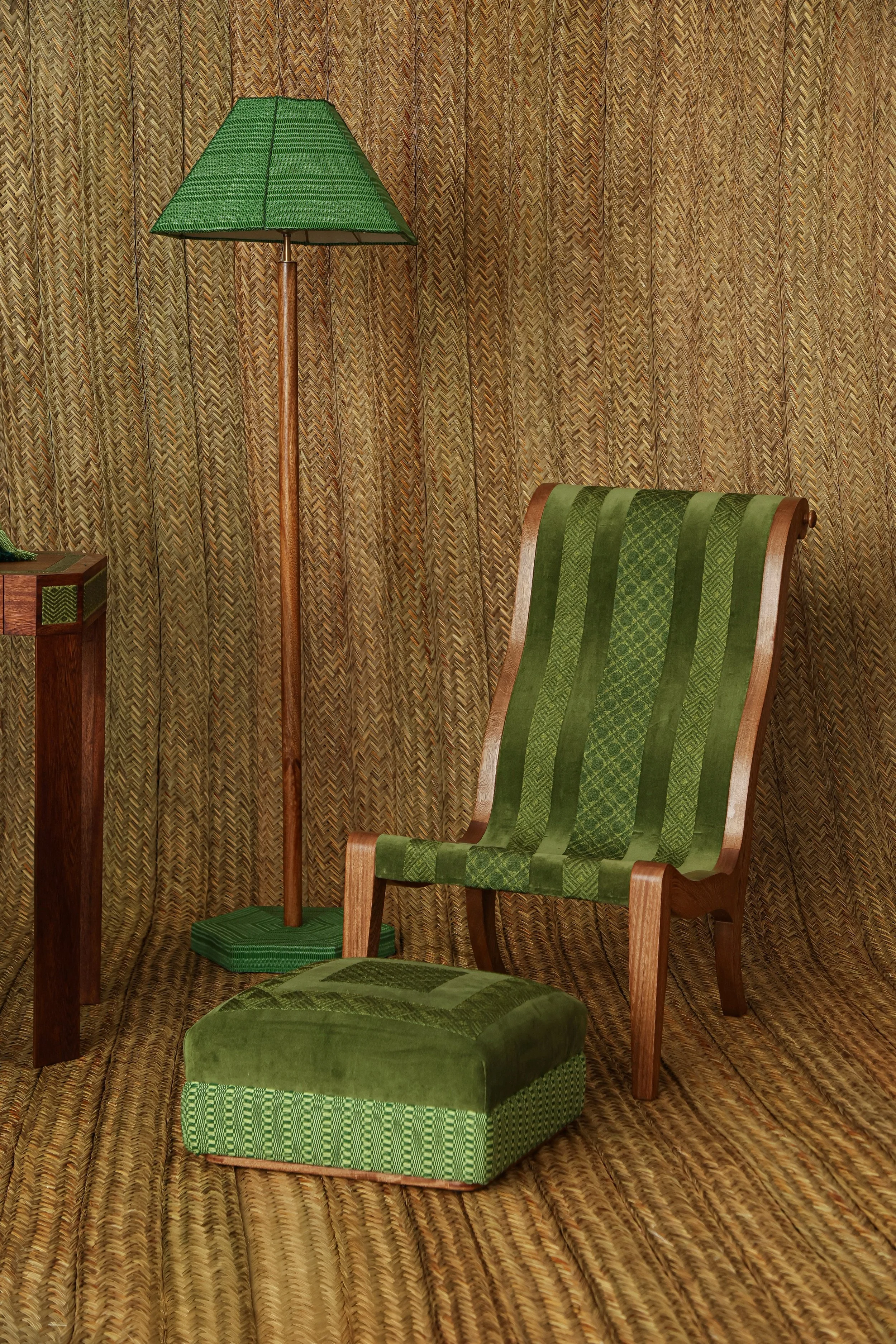
The result is a multi-level reading of building, body and object. Glass pieces by 6:AM catch and refract the zenithal light; cc-tapis rugs both divide and stitch the space together; furniture by Studio 84 and works by UNNO create pauses, edges and temporary stations where visitors can sit, observe or simply listen.
Tradition, craft and cultural sustainability
Inner Stage also operates as a statement about sustainability understood as cultural continuity, beyond technical metrics. Collaborations with craft workshops, the use of hand-made textiles, rugs and blown glass speak of a value chain where contemporary design does not erase origins, but makes them visible.
Instead of building a disposable scenography destined to vanish after the week, the project creates an ecosystem of pieces conceived to circulate: once Art Week ends, many of these objects return to galleries, collections and domestic spaces, carrying with them the memory of having taken part in a collective experiment inside one of the city’s most emblematic dance schools.
Within The Wave of Sustainable Design, Inner Stage reads as a case study:
it reuses an existing cultural building rather than creating a new container,
it relies on long-lasting, craft-driven production,
and it frames sustainability as the care of bodies, traditions and spaces, not only as an environmental checklist.
An “inner stage” for the city
In the wider context of Mexico City Art Week, Inner Stage quietly shifts the focus: from booth to body, from stand to platform, from isolated object to the relationship between design, dance and audience.
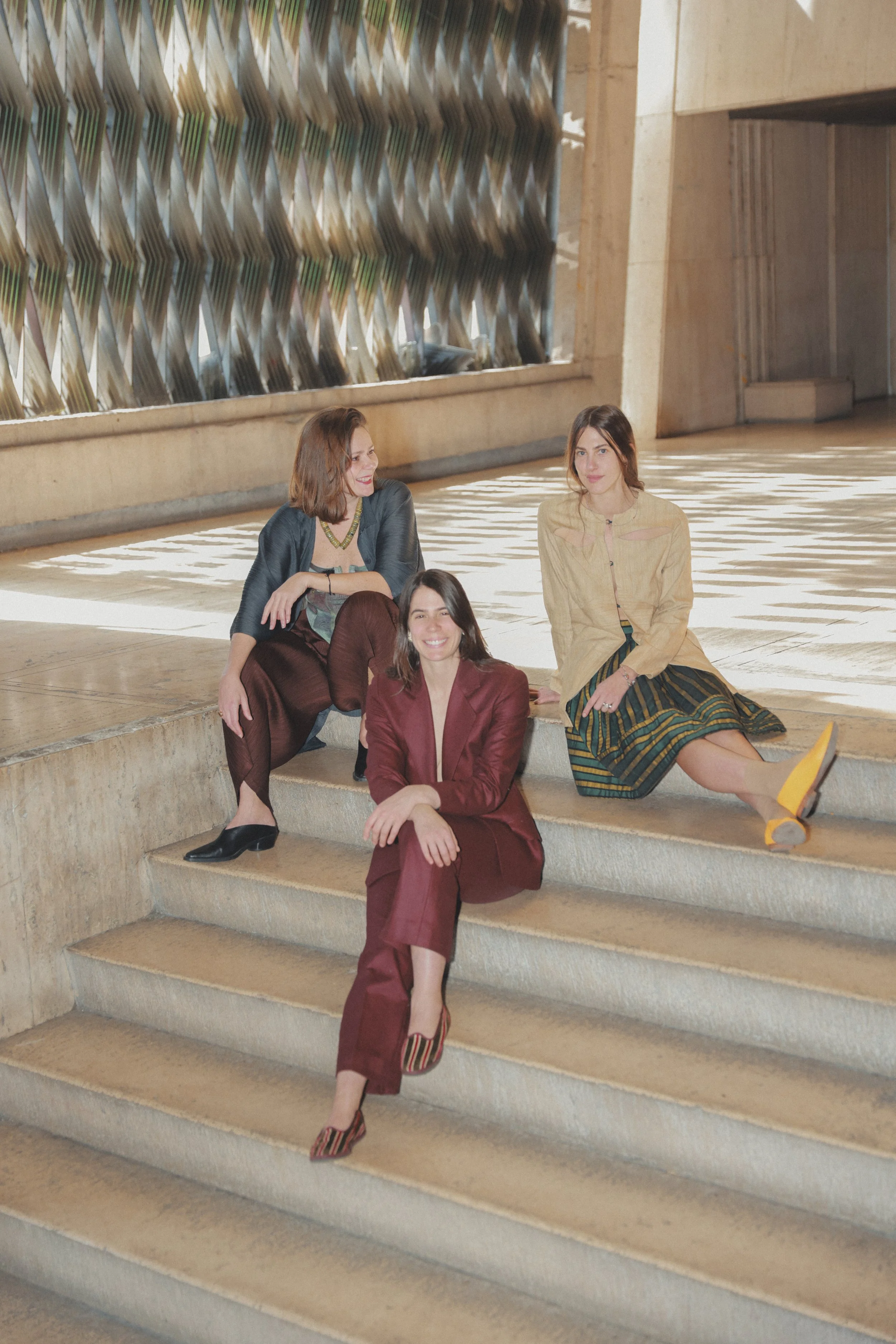
Perhaps the most valuable part is not the documentation—though the project is strikingly photogenic—but the feeling of having inhabited Agustín Hernández’s building differently: sitting on a contemporary rug, listening to a Mixtec band, watching a folkloric dancer trace new lines across ramps drawn decades ago.
In a city where art and design are constantly racing towards what’s next, Inner Stage reminds us that true innovation sometimes lies in re-entering a familiar place and discovering it still has more to say.