
The Castelletto - When History Learns to Welcome the Future
Montebelluna, Italy
There are many hotels restored from historic buildings.
Very few understand that restoration alone is not enough.
Today, hospitality is no longer defined by decoration or luxury finishes. It is defined by how a place receives you—often before you speak to anyone.
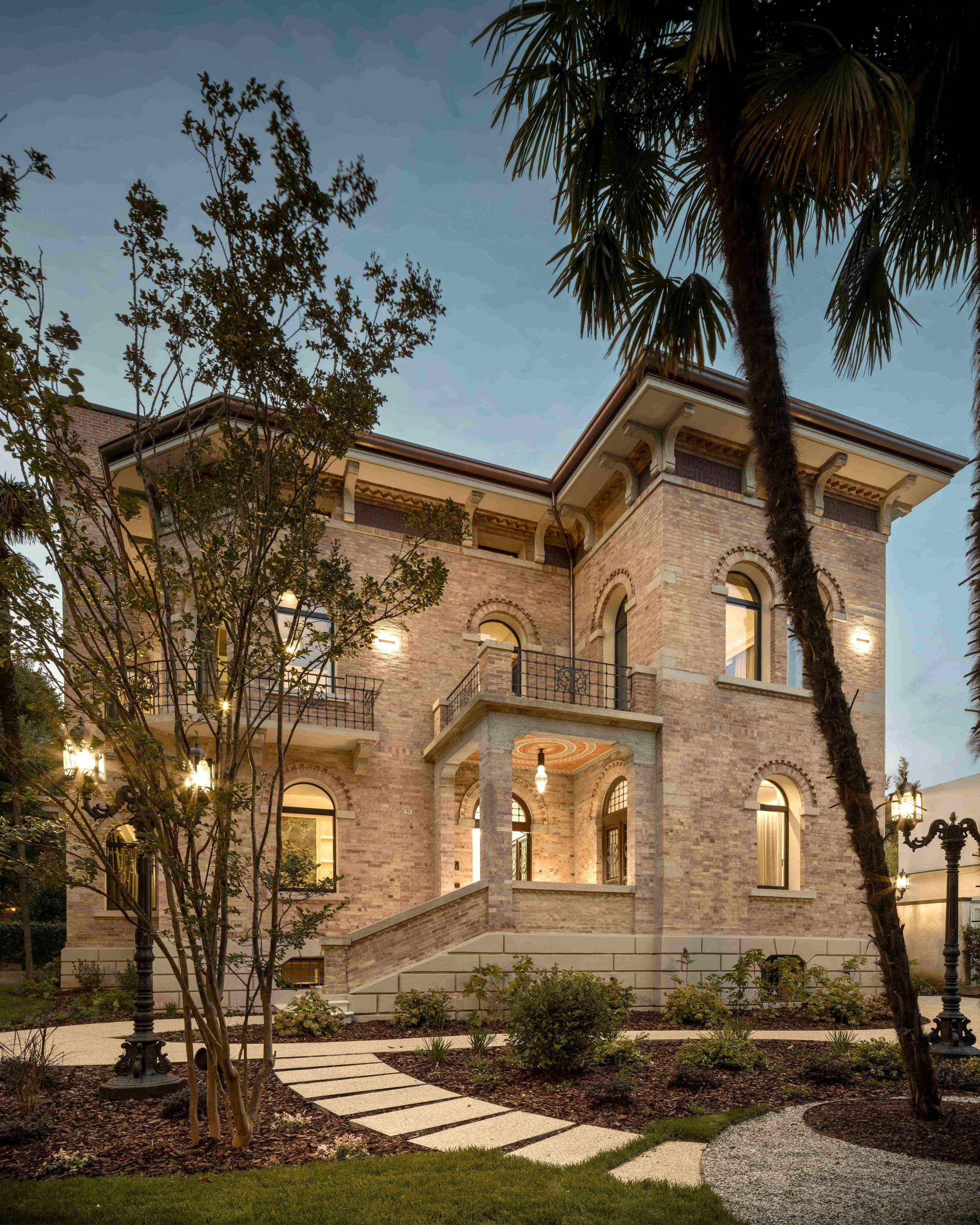
In the historic center of Montebelluna, in northern Italy, a 1925 residence has been transformed into a boutique hotel that quietly proposes a new model of European hospitality. The project, The Castelletto, is not a nostalgic reconstruction but a dialogue between time and technology.
Originally conceived as a private villa by local builder Attilio De Campo, the building expressed a refined neo-medieval aesthetic, with suspended arches, ornamental details and a tower inspired by fortified architecture.
Rather than erasing that identity, the intervention preserves it - and allows contemporary design to inhabit it.
Architecture as Continuity
The restoration follows a conservative approach: exposed brick façades were cleaned and consolidated, lime-based mortars were used to maintain breathability, and original openings were preserved with new high-performance frames that respect the historic proportions.
Inside, the language changes without breaking the narrative.
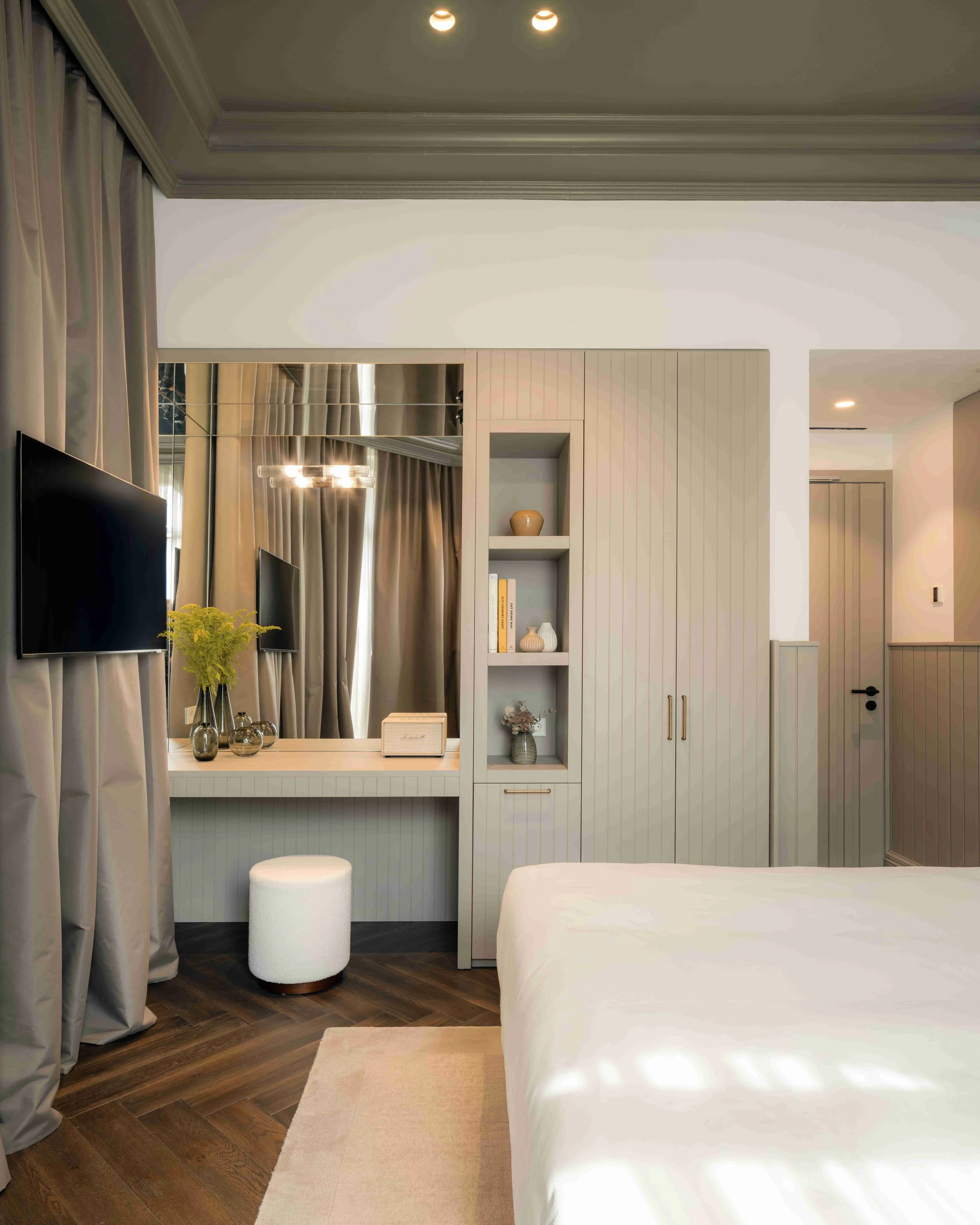
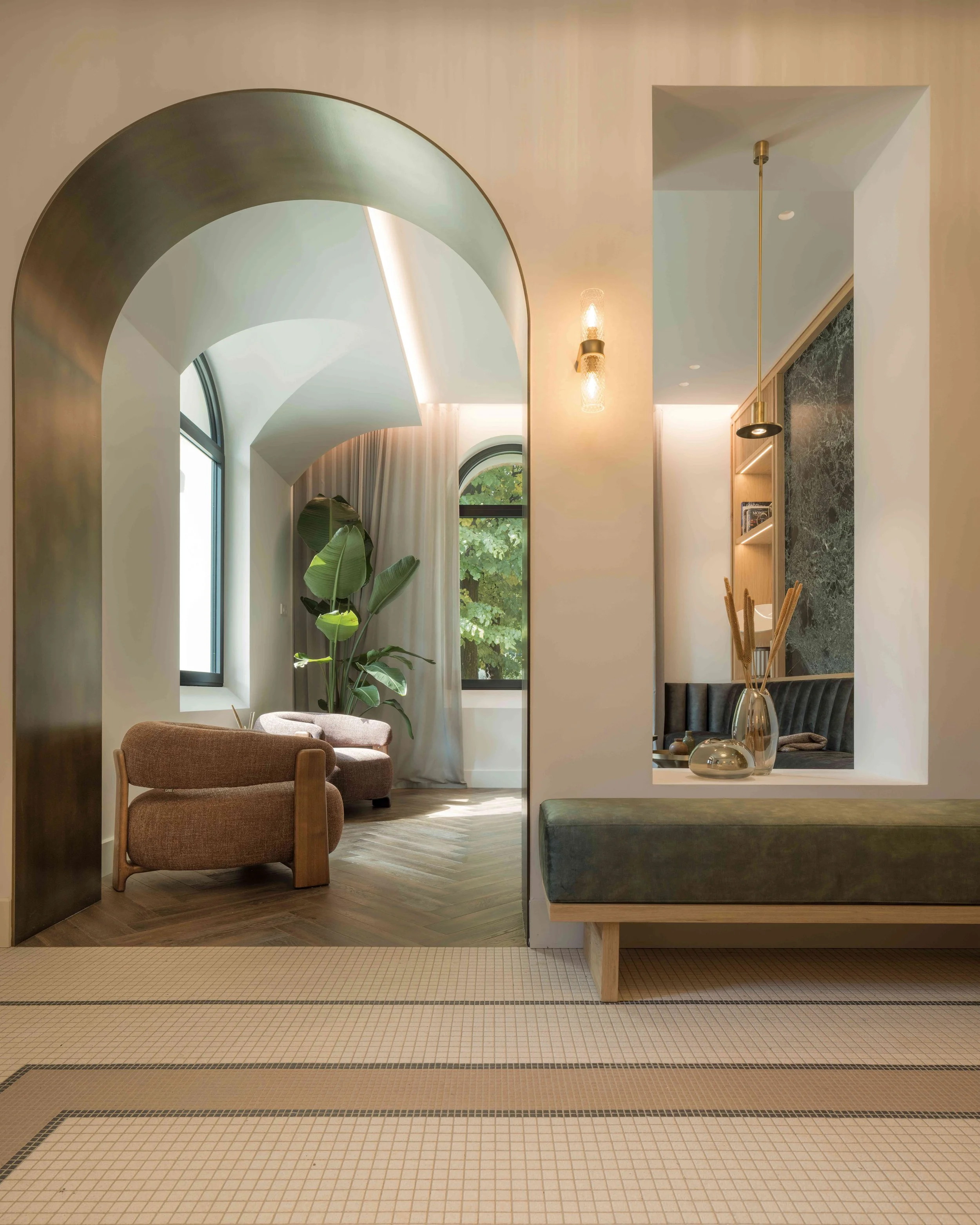
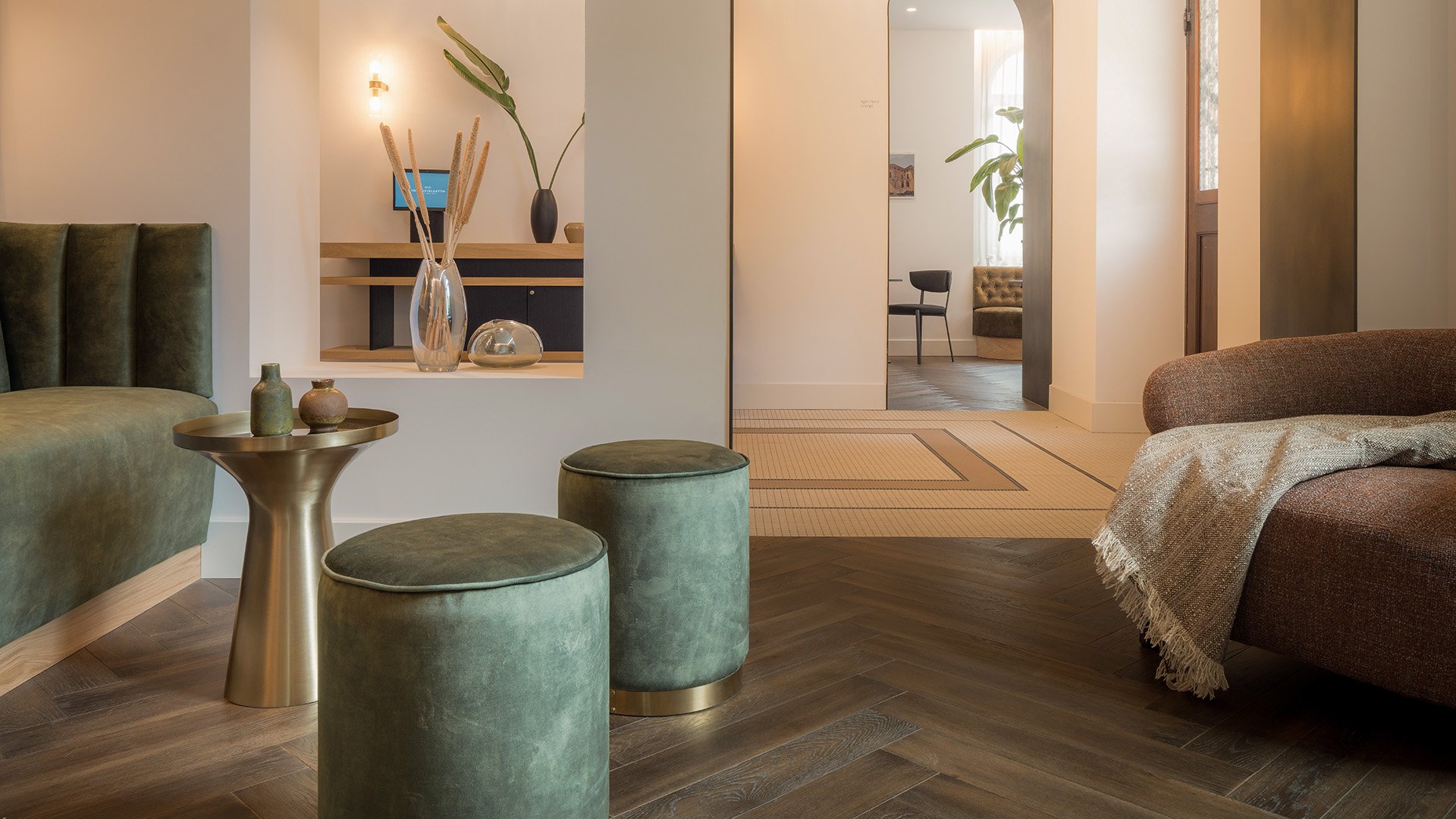
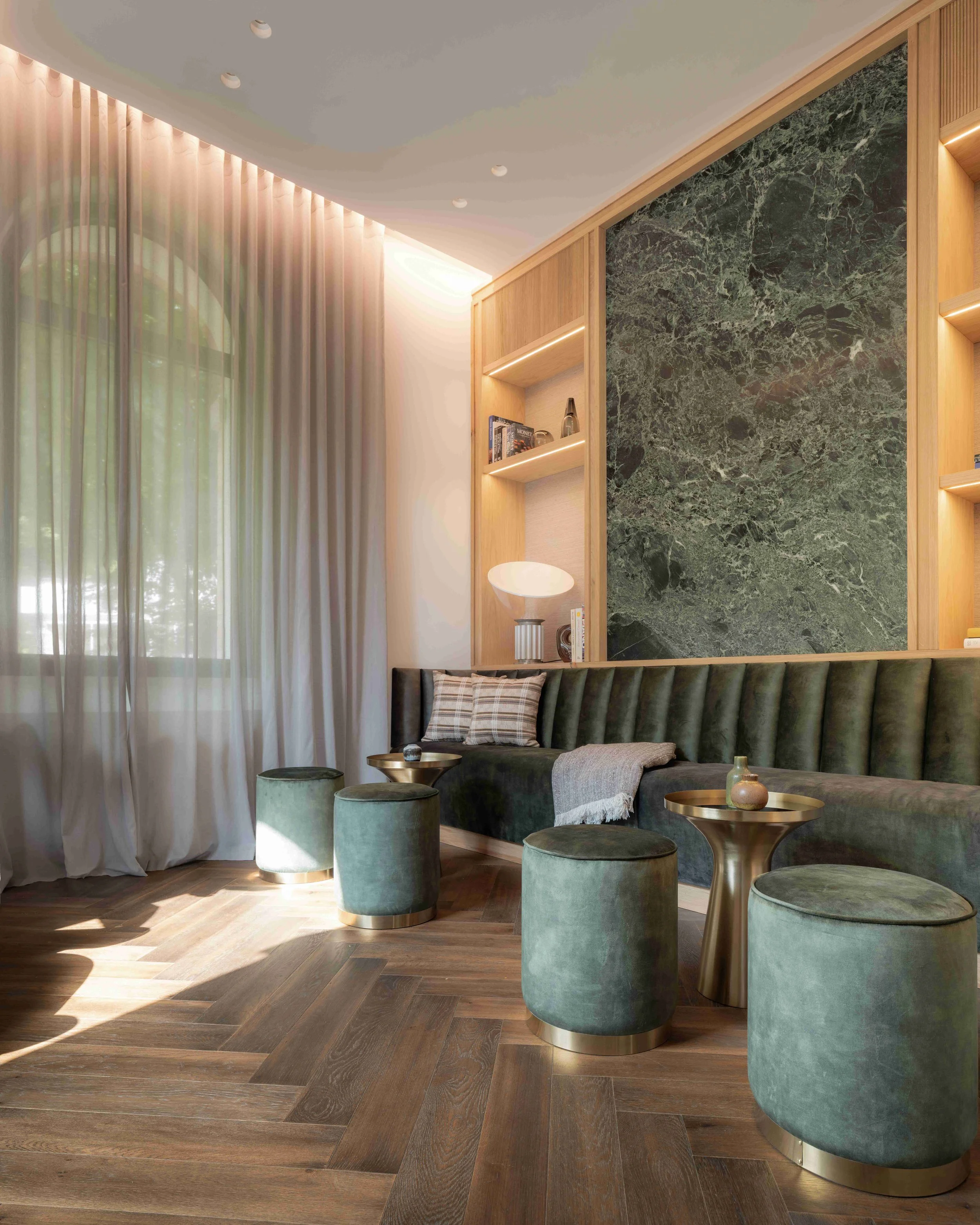
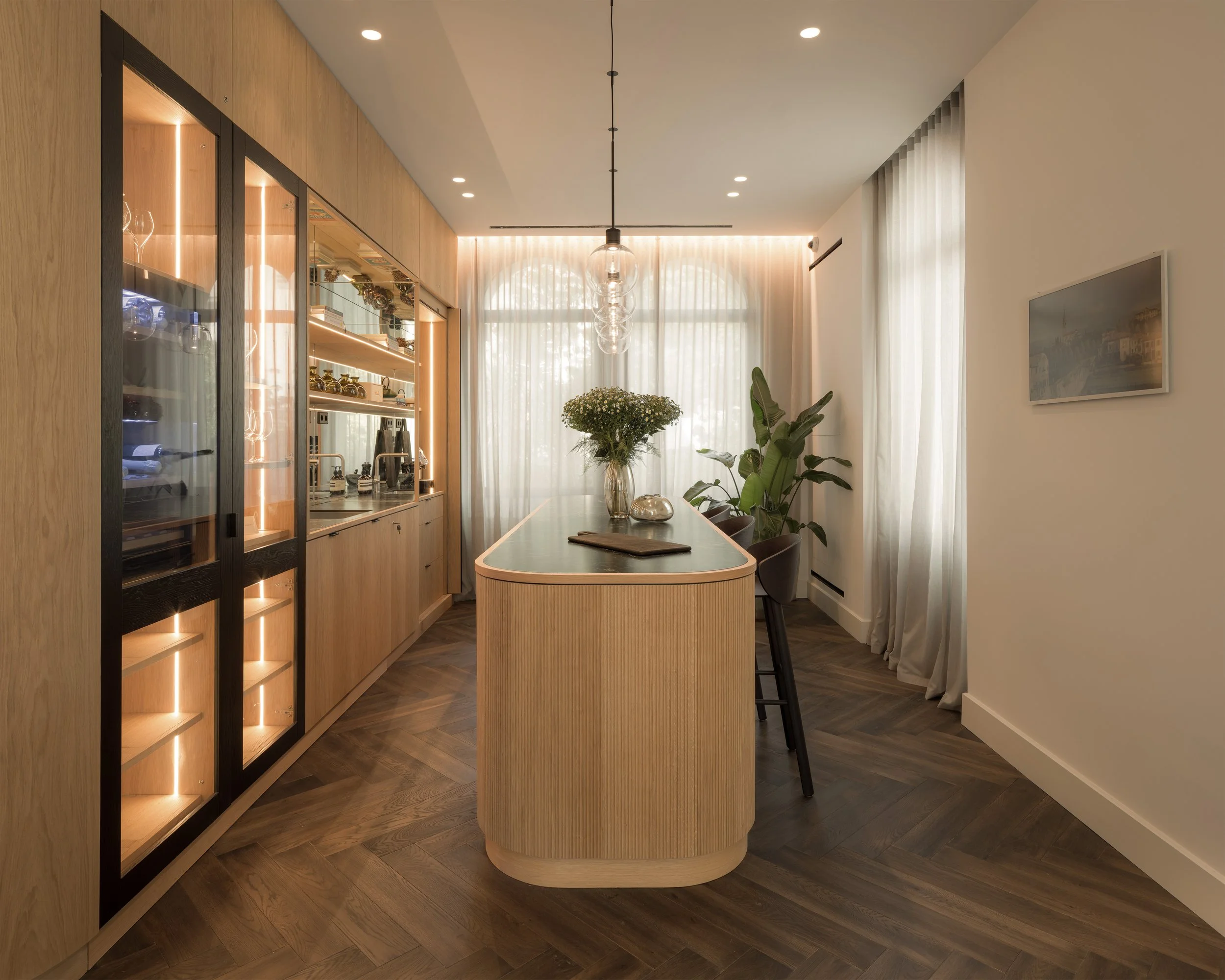
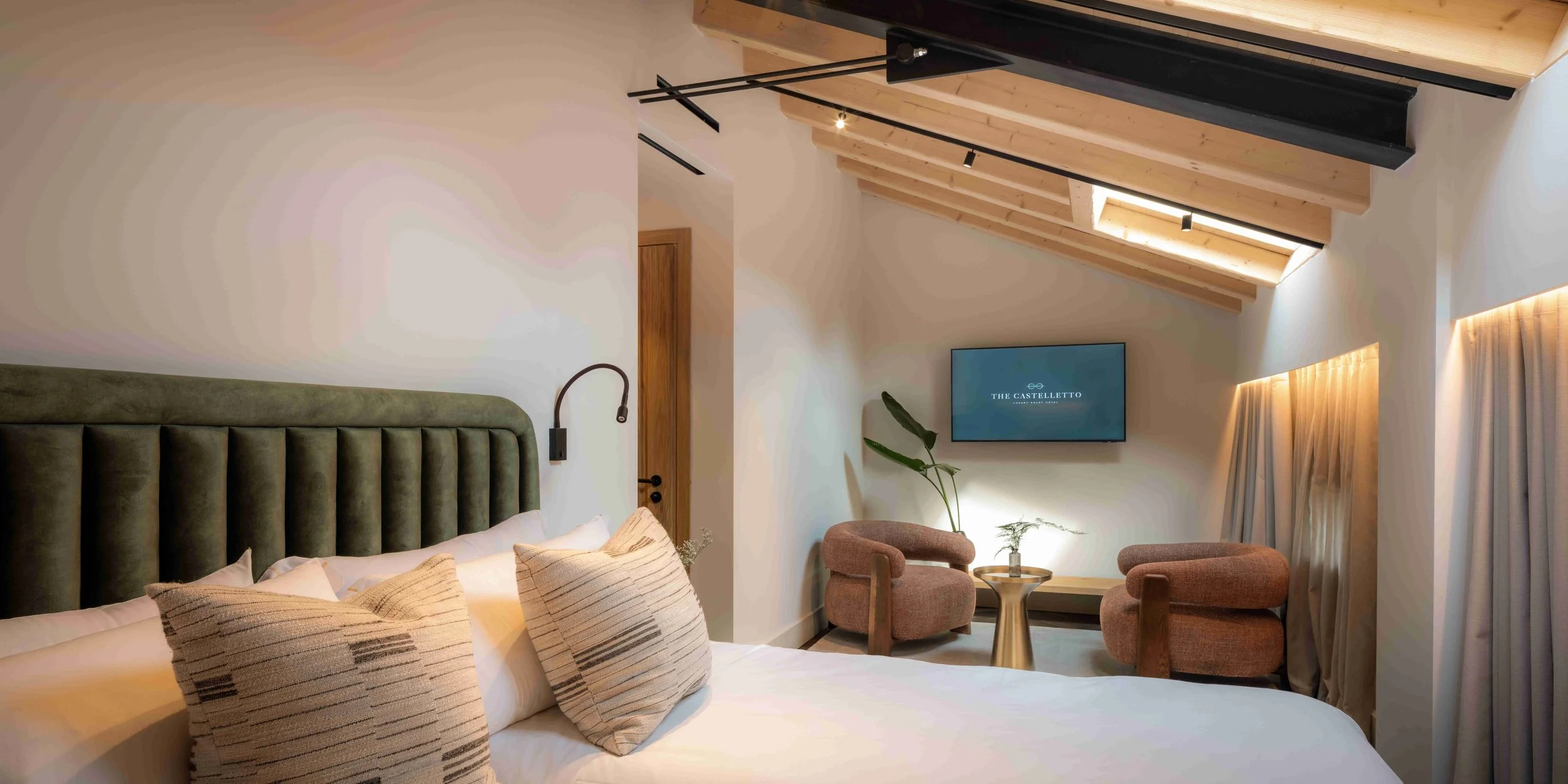
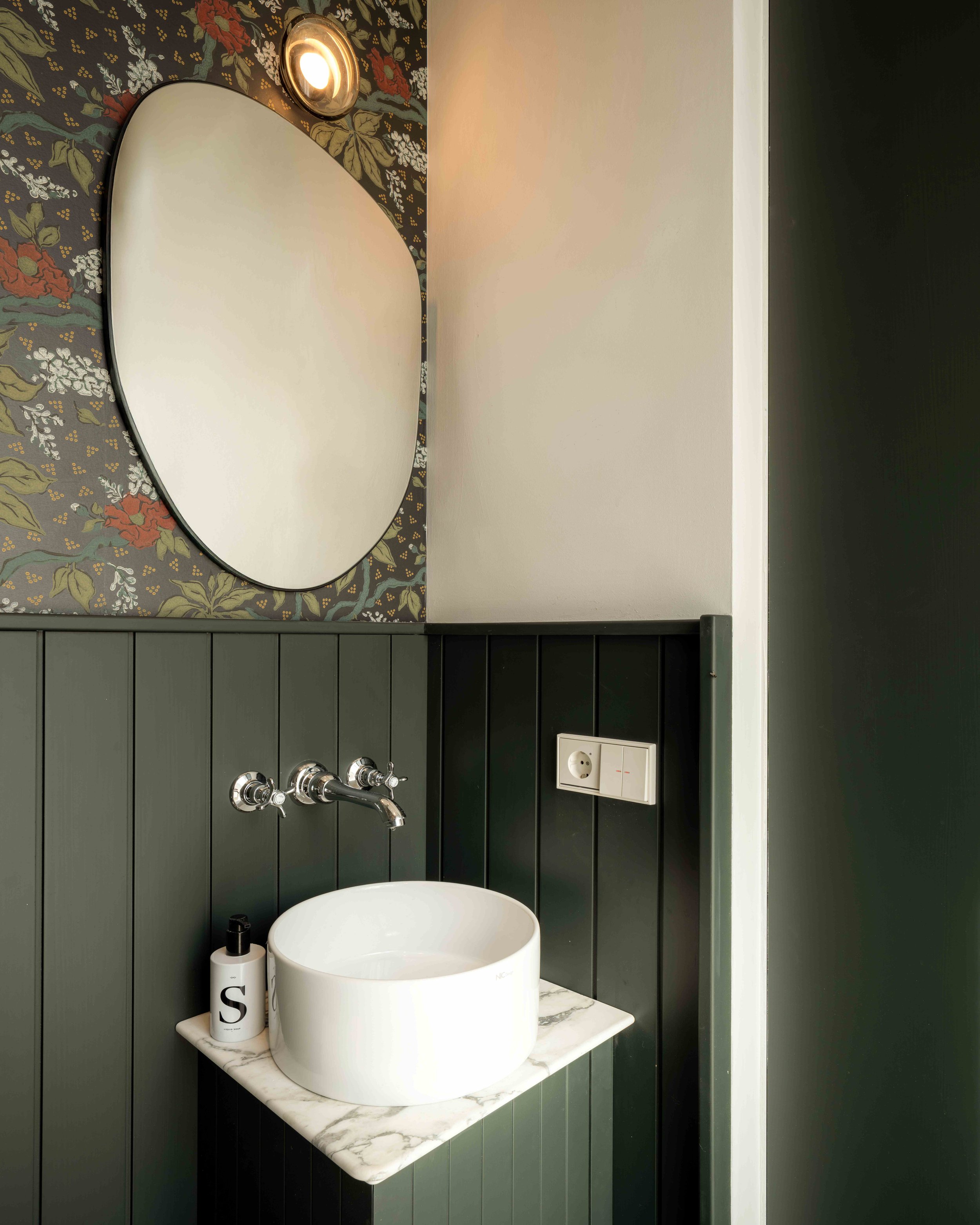
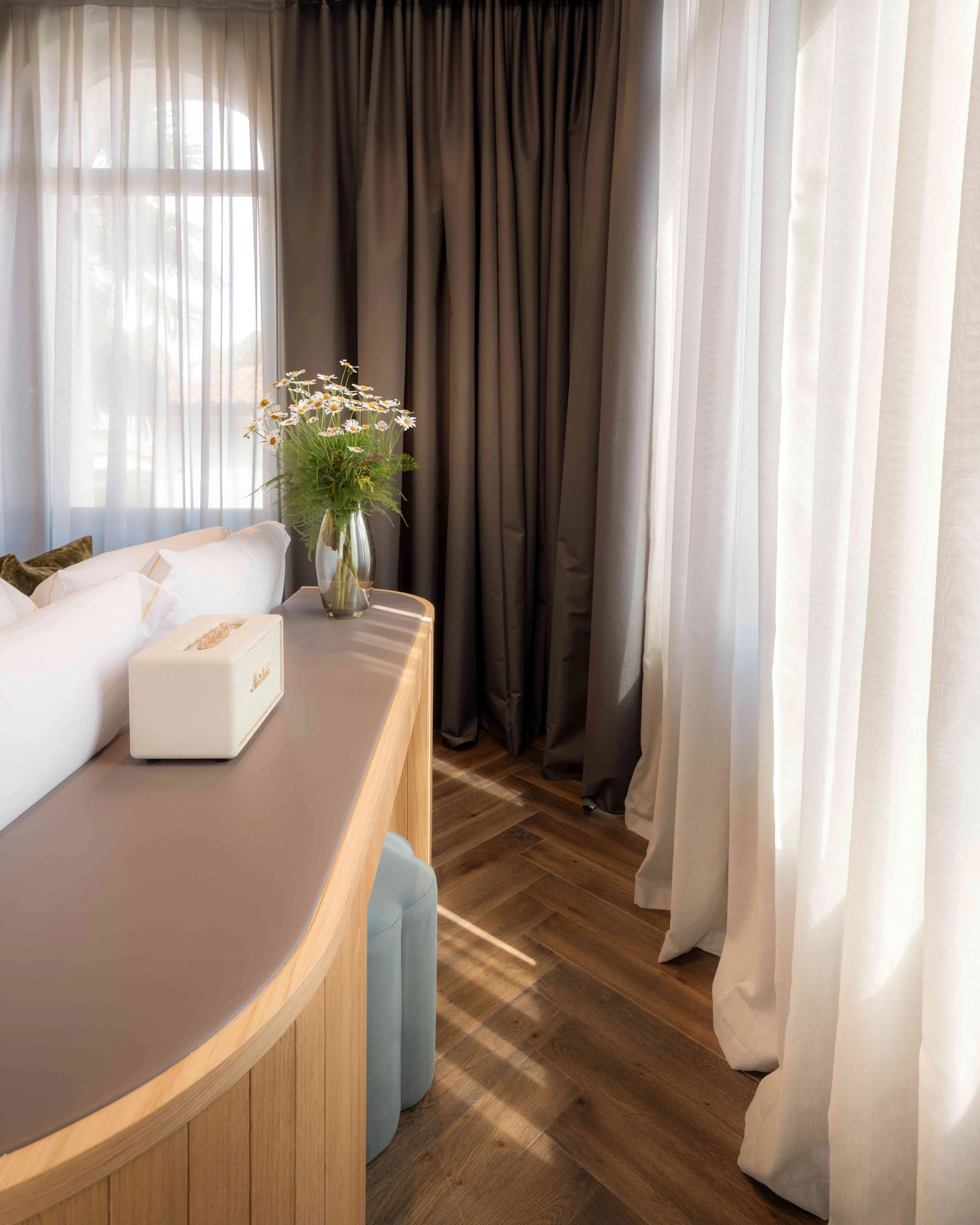
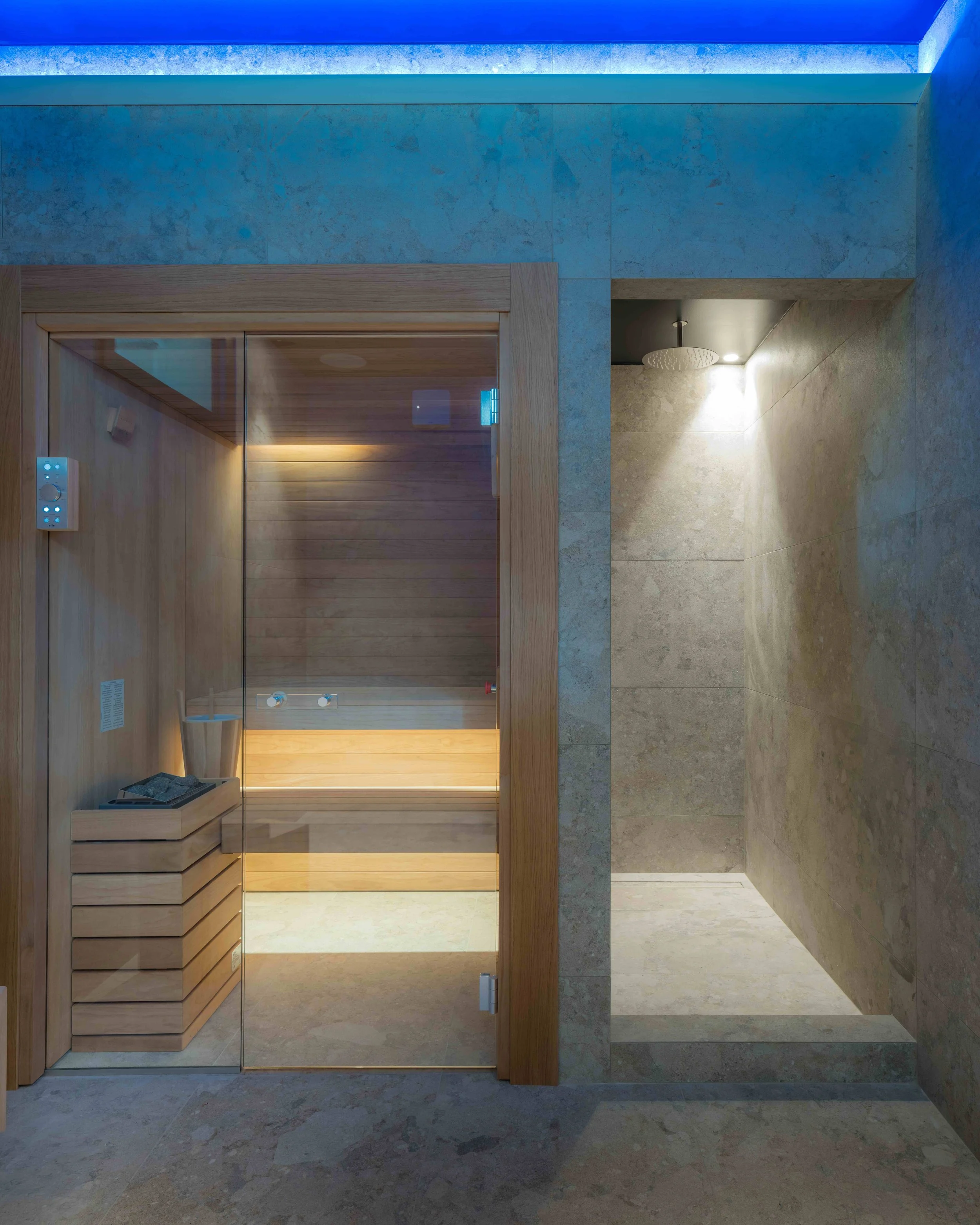
Natural and dark oak define walls and custom furniture. Marble surfaces such as Verde Alpi appear in key areas, while satin brass lighting becomes almost sculptural. Each space is conceived as a different chapter—chromatically and materially—yet connected through a continuous sensory experience.
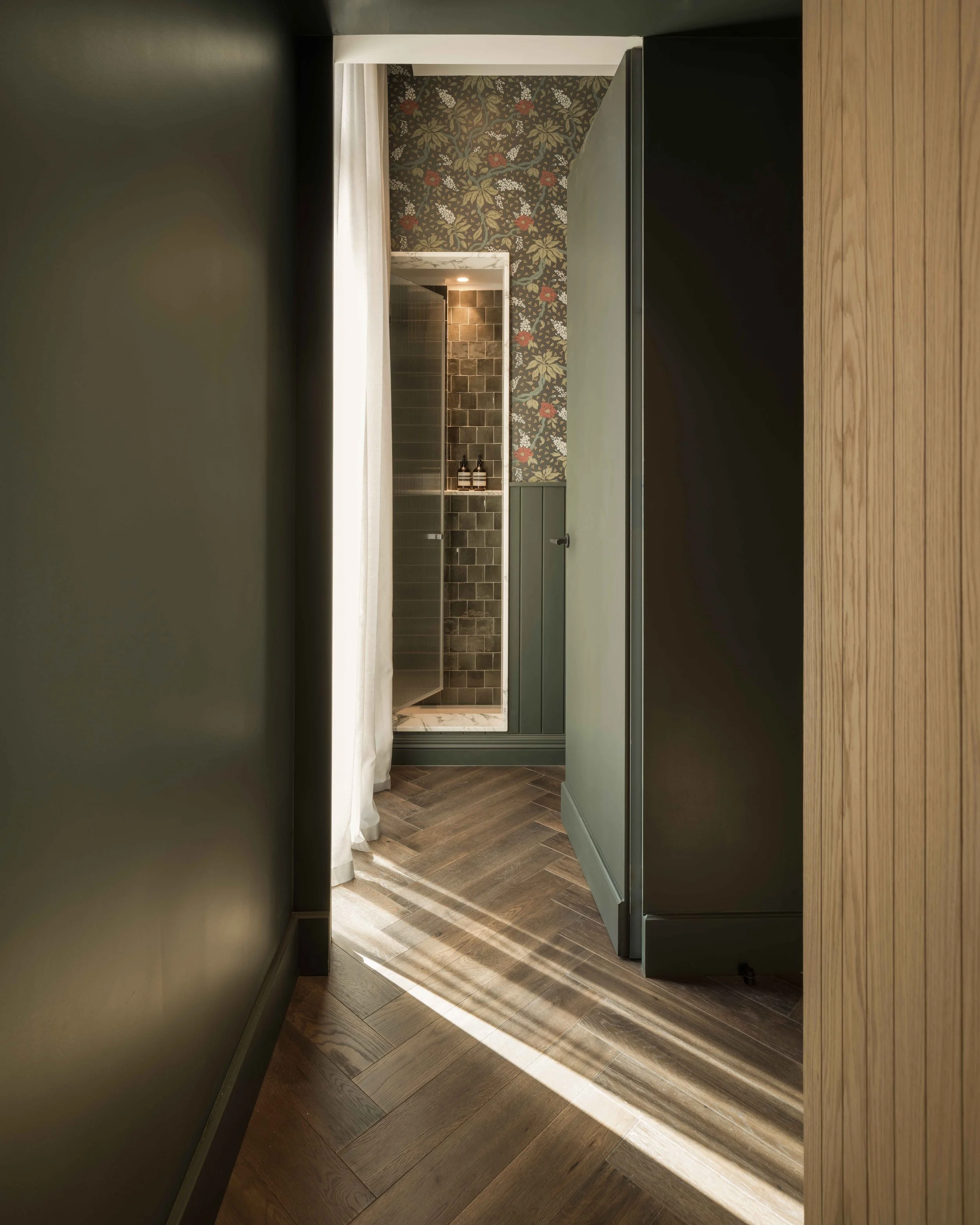
The rooms follow a poetic idea: each is inspired by a Greek divinity and aligned with the path of daylight throughout the day, turning time itself into atmosphere.
Here, architecture is not background.
It becomes part of the stay.
The Invisible Layer: A Digital Hotel
What makes The Castelletto exceptional is largely invisible.
The project integrates a “contact-light” digital platform that personalizes the experience from pre-stay to check-out. The system recognizes language preferences and adapts information automatically for returning guests.
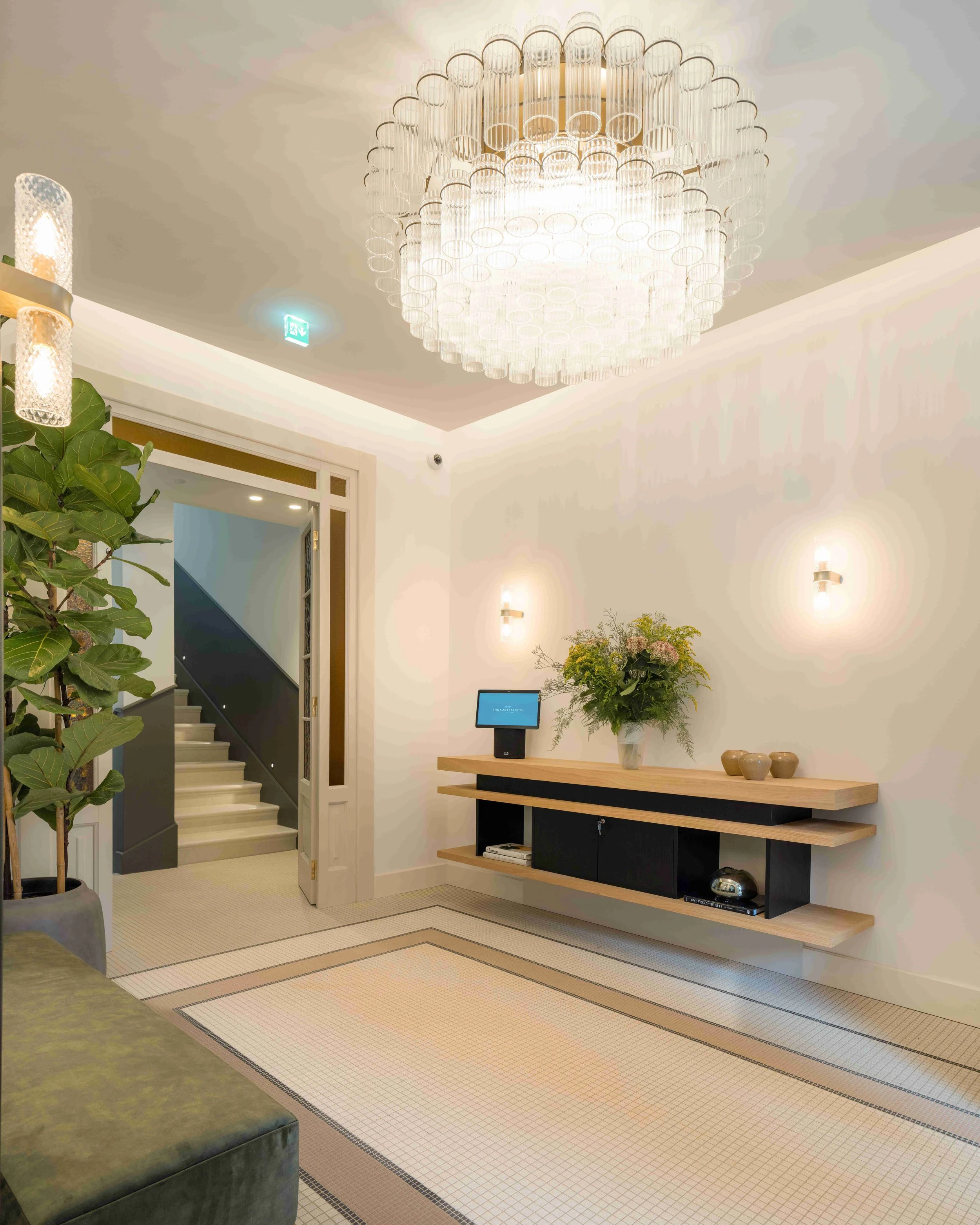
There is no traditional reception desk.
Check-in and check-out are managed remotely, while a multilingual digital assistant—accessible via app or entrance totem—responds to requests, services and recommendations.
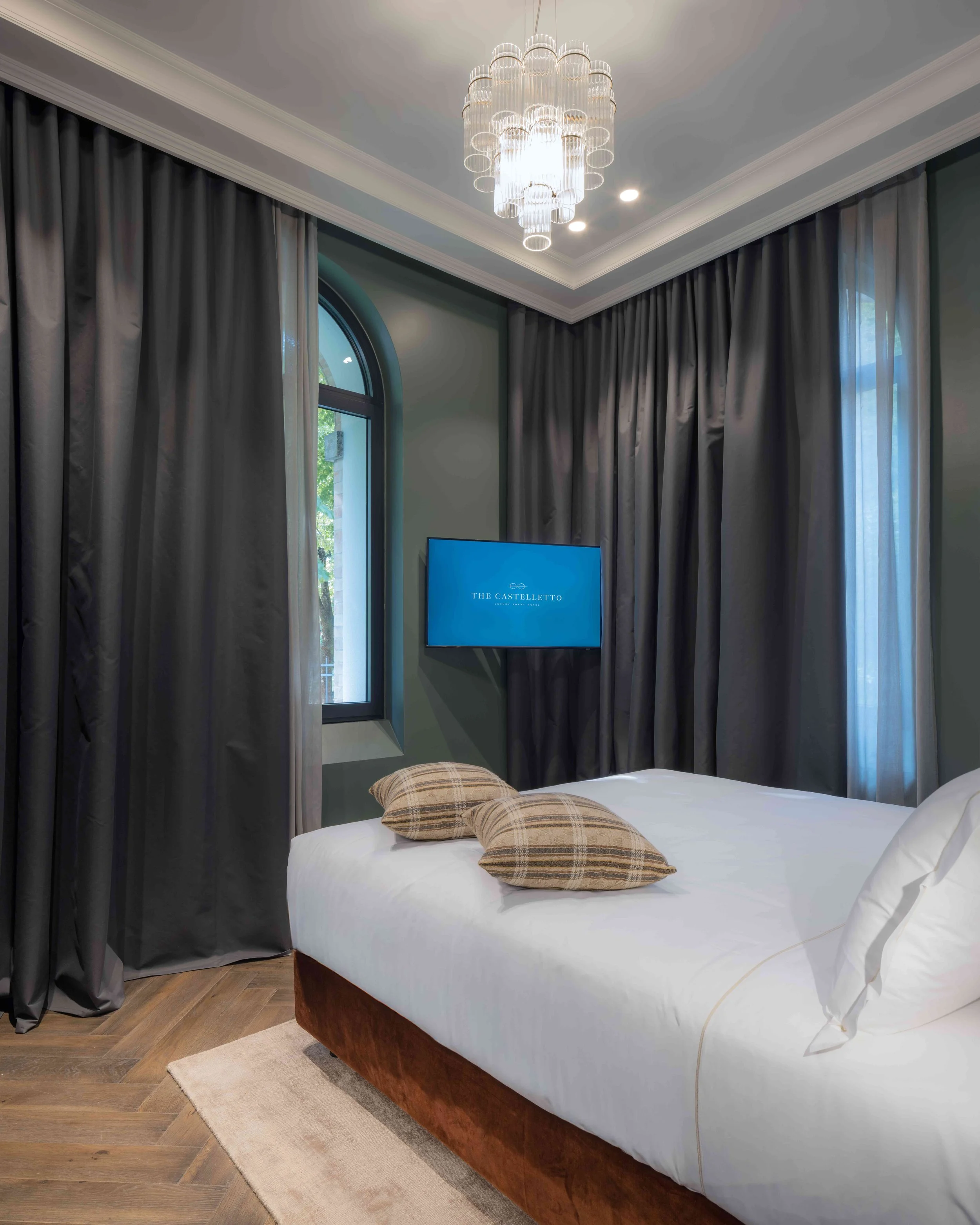
In the rooms, guests control lighting, climate and shading through predefined scenes, and can stream personal media to televisions without entering credentials, preserving privacy.
Technology does not replace hospitality here.
It removes friction.
A New Model of European Hospitality
The Castelletto suggests something important: the future of hotels will not necessarily be more opulent—it will be more intelligent.
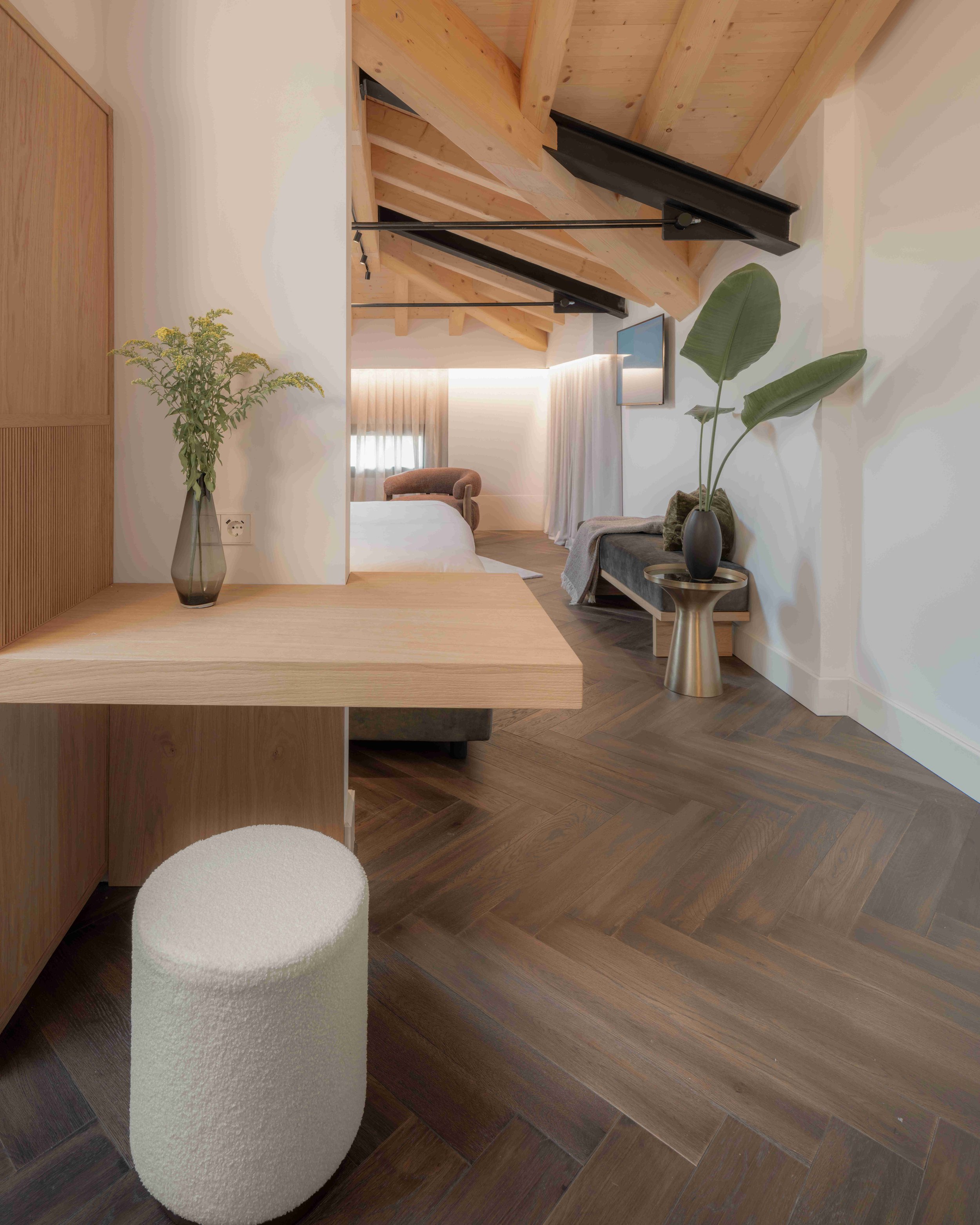
The building preserves memory, while the digital infrastructure creates comfort. Guests move naturally between historic architecture and automated service, without noticing where one ends and the other begins.
The result is a hospitality model in which the building carries emotion and technology carries efficiency.
As the developers describe it, the project aims to make hospitality more fluid and sustainable while keeping the identity of each place intact.
Perhaps that is the real lesson of The Castelletto:
Luxury is no longer excess.
Luxury is coherence.
Location block
Montebelluna, Treviso — between
Venice and the Dolomites
Part of a Series
This project is part of our editorial exploration of contemporary European hospitality.
Read the full feature: A New Italian Hospitality: When Historic Houses Become Hotels