
A New Italian Hospitality: When Historic Houses Become Hotels
Across Europe, hospitality is quietly changing.
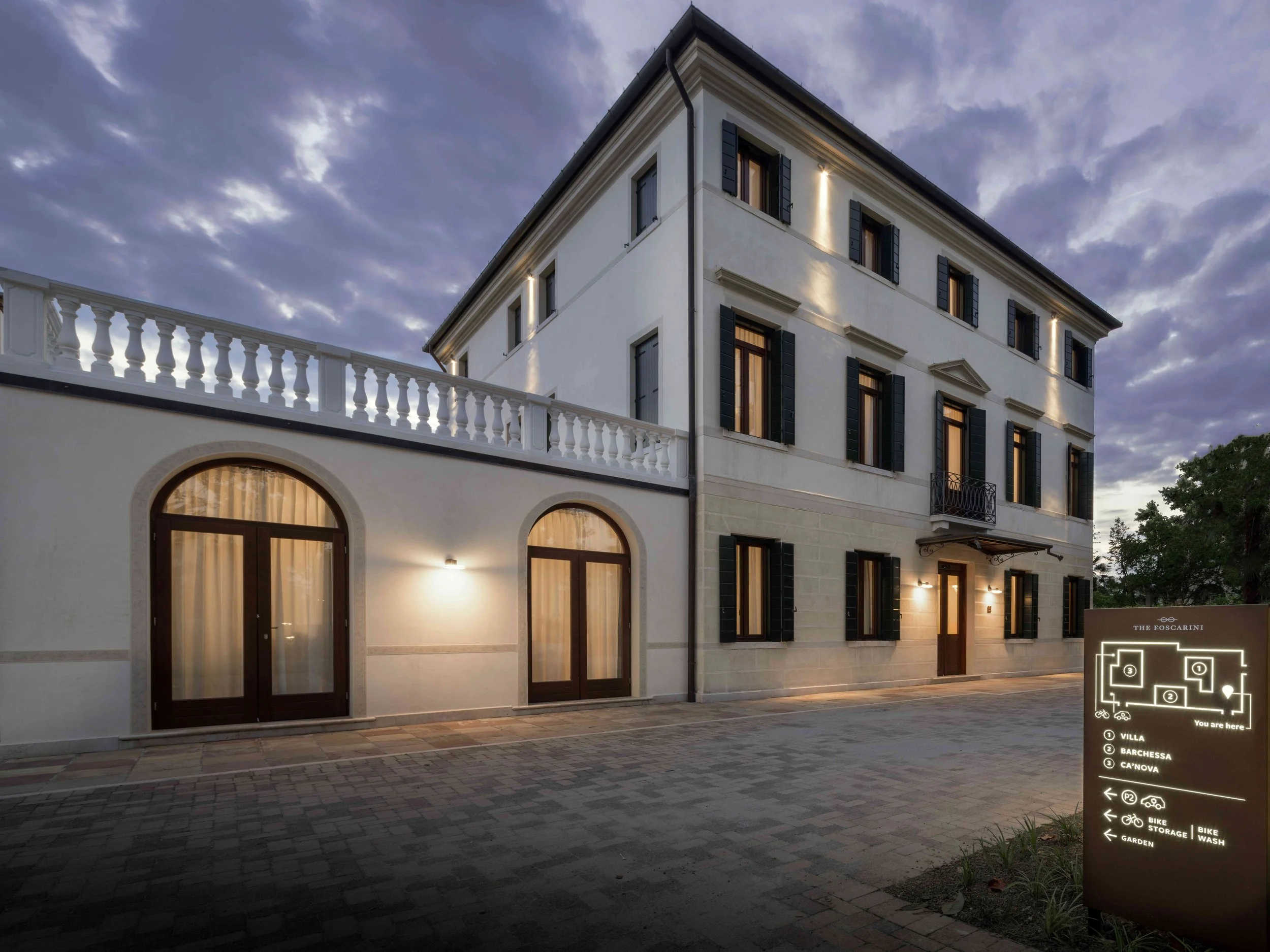
For decades, the model was clear: larger hotels, standardized rooms, recognizable brands. Comfort came from predictability. Today, however, a different idea is emerging — one where the experience of staying somewhere is inseparable from the story of the building itself.
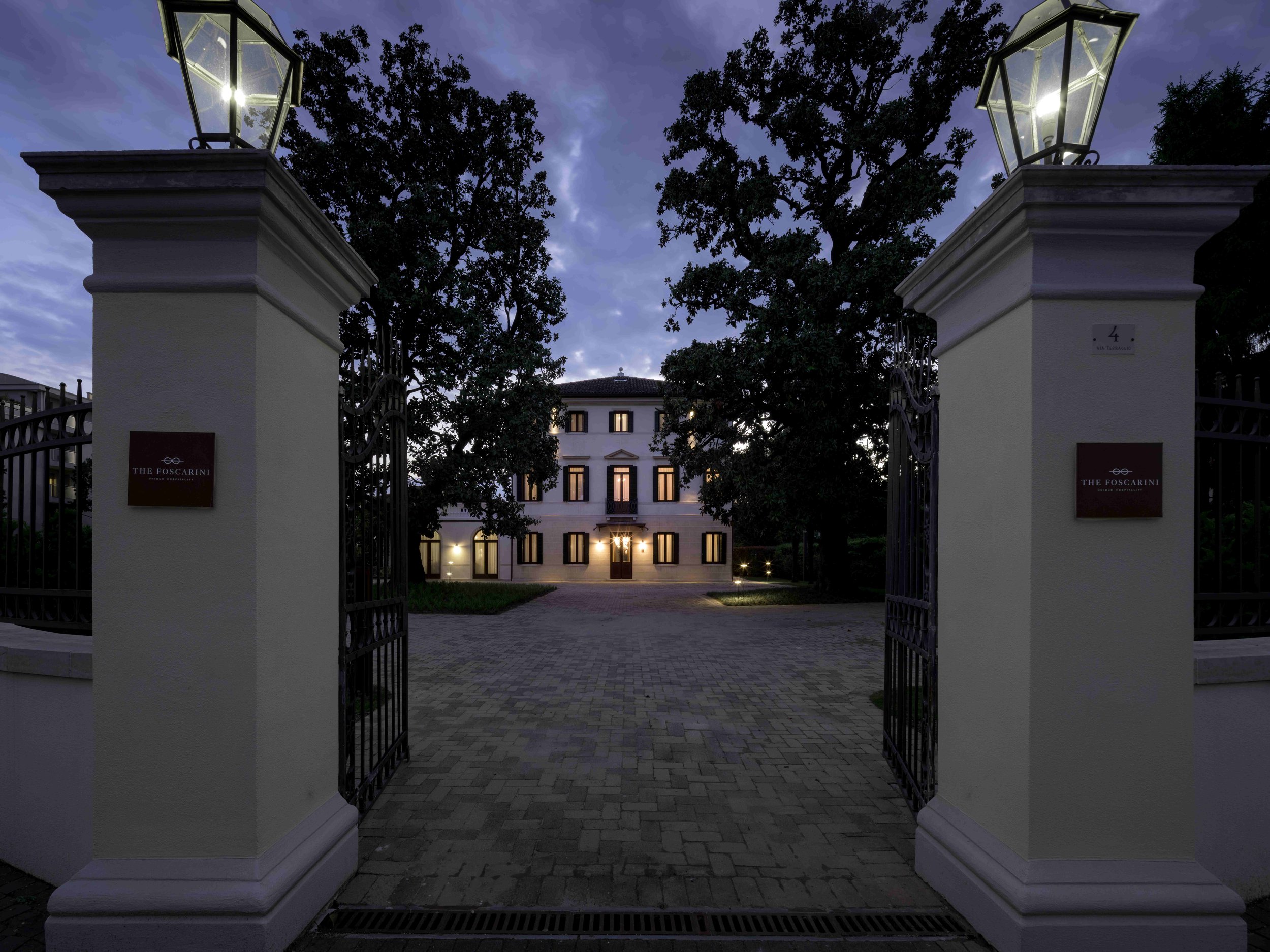
In northern Italy, two properties: The Castelletto in Montebelluna and Hotel Foscarini near Treviso - reflect this transformation. They are not themed hotels, nor boutique hotels in the conventional sense. They are historic residences that have learned how to receive guests without losing their identity.
This new approach suggests that the future of luxury hospitality may not be defined by size, but by intimacy.
Hospitality as Continuity
Both buildings were originally private homes.
Their architecture was not designed for circulation efficiency or standardized occupancy, but for living.
Rather than erasing that character, the interventions preserve spatial proportions, natural light rhythms and the relationship between interior and garden. Corridors are shorter, thresholds more gradual, and rooms feel closer to apartments than hotel units.
The experience begins before the reception desk in the entry, the garden, the staircase.
This is hospitality understood as continuity, not service.
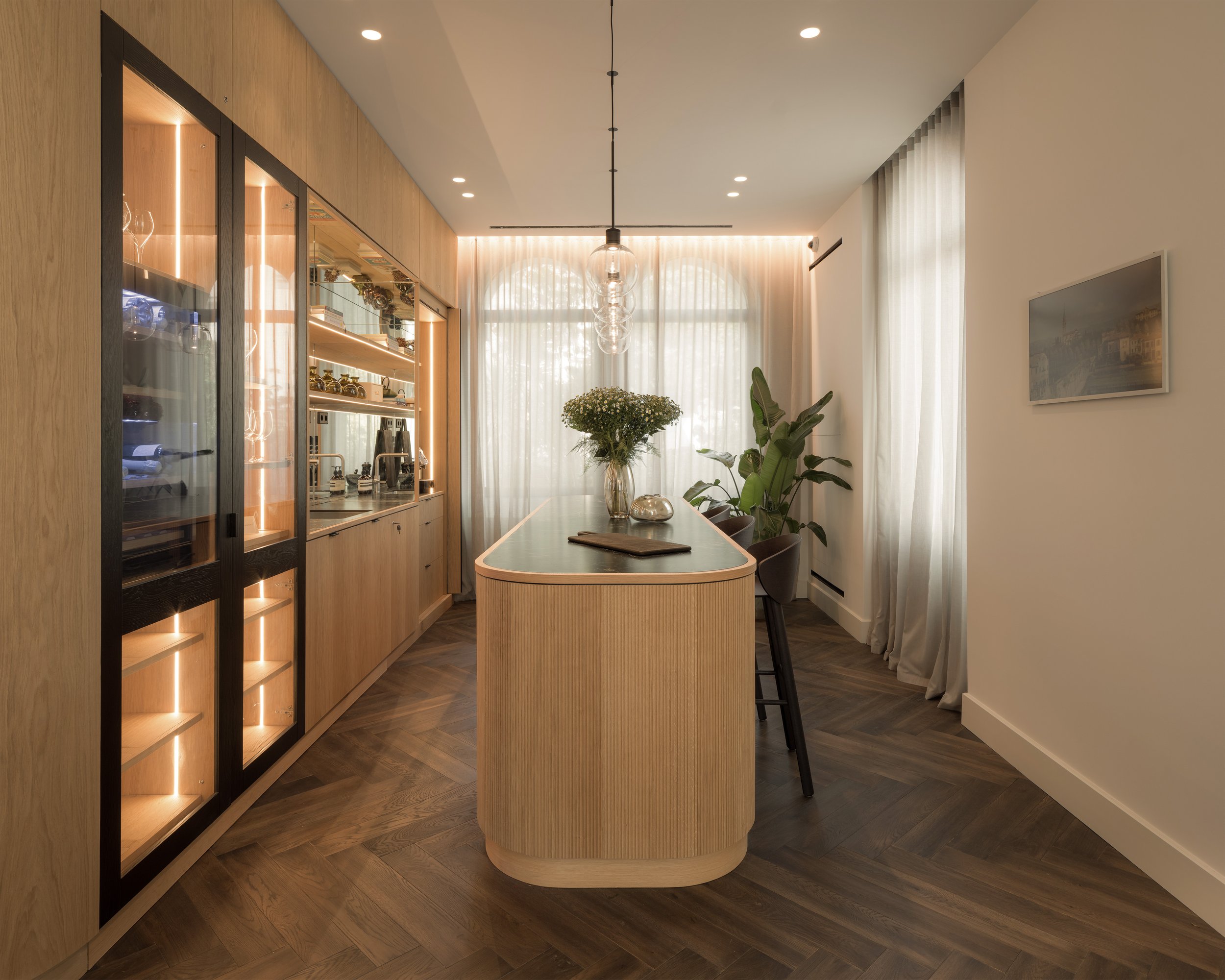
The Castelletto Living Inside Time
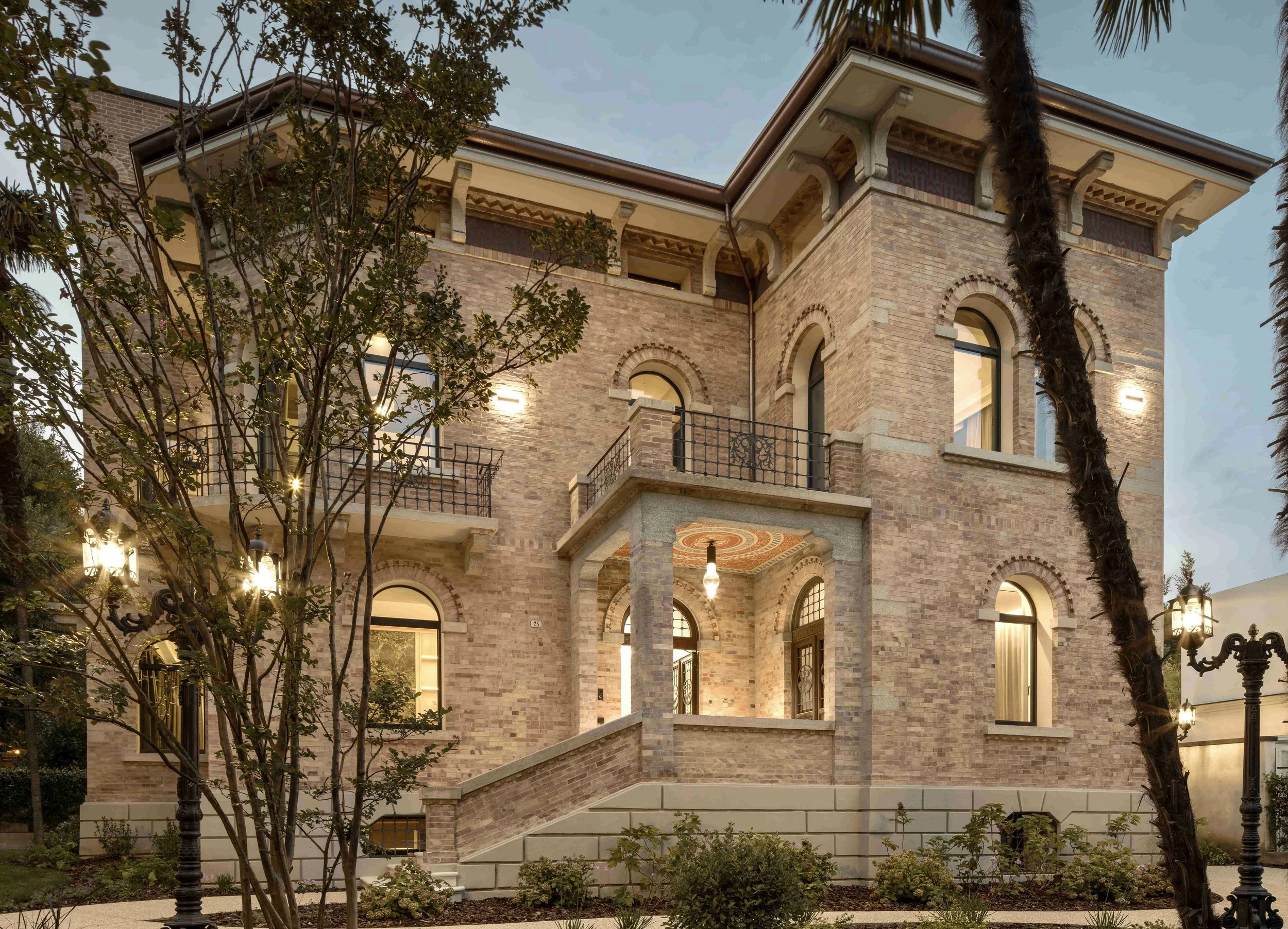
In Montebelluna, The Castelletto occupies a 1920s residence with neo-medieval influences: arched openings, brick façades and a tower-like composition. The restoration follows a conservative architectural approach.
Original masonry was consolidated rather than replaced, breathable mortars maintain the building’s thermal behavior, and contemporary insertions remain legible without competing with the original structure.
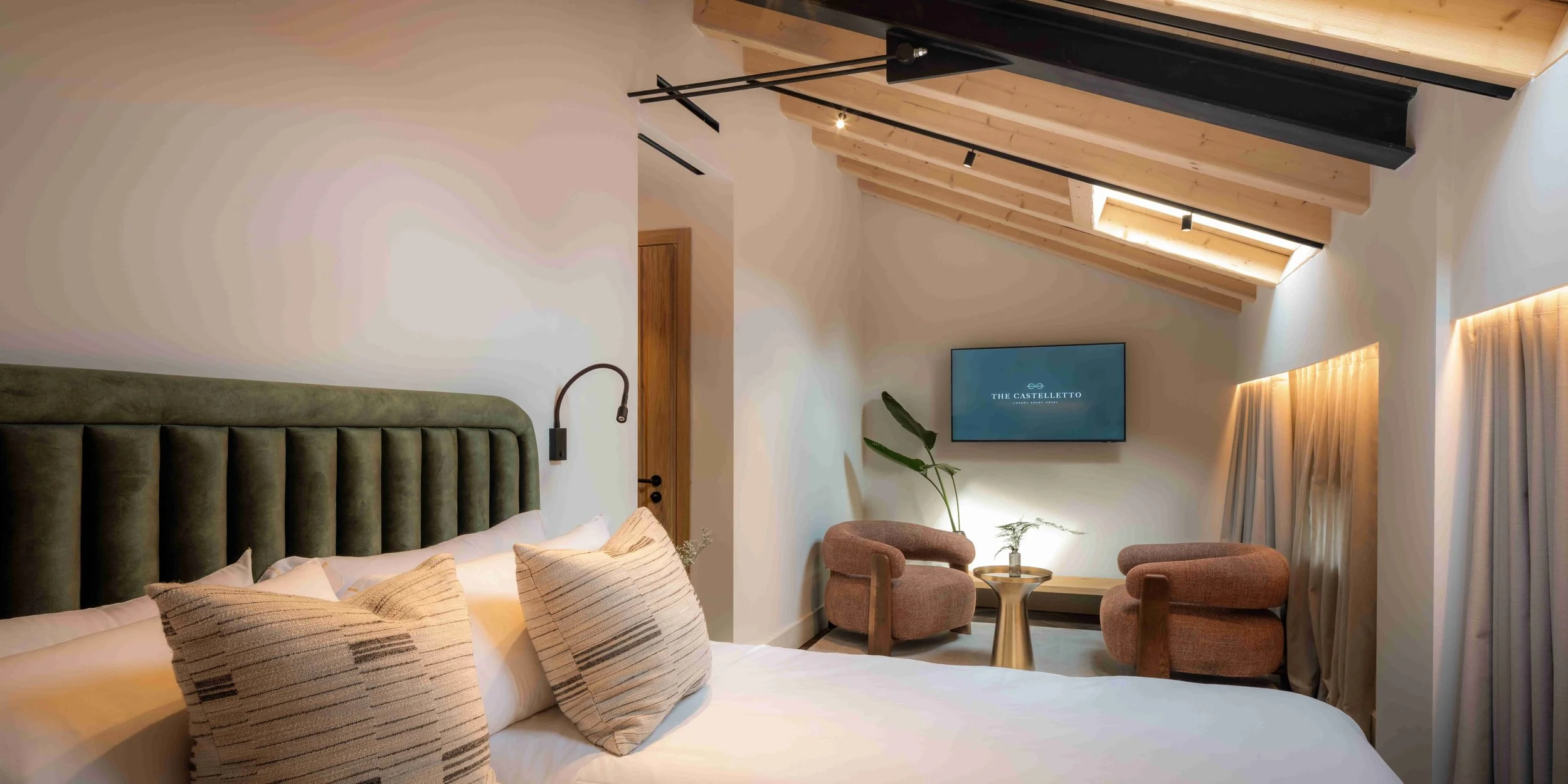
Inside, the design avoids nostalgic reconstruction.
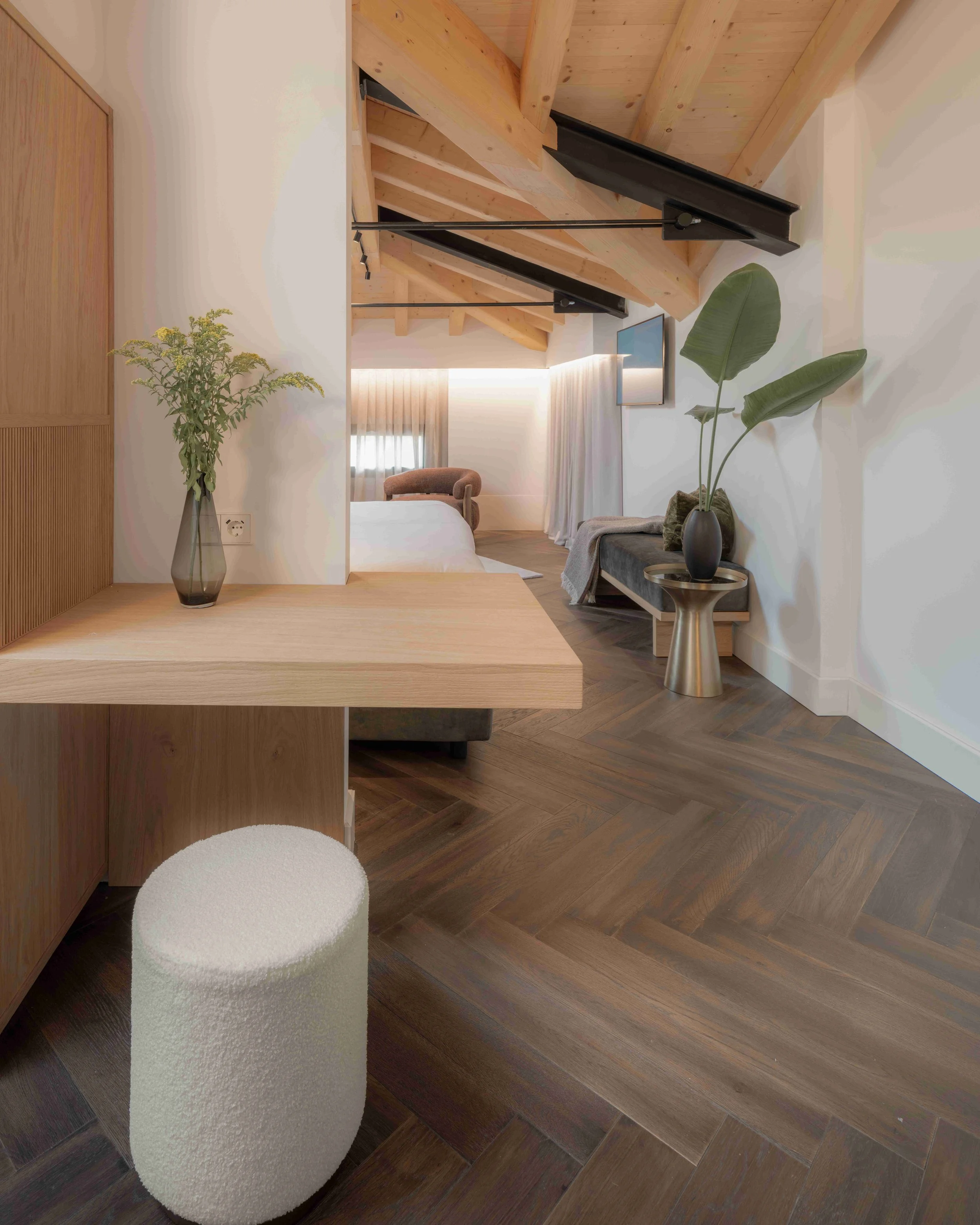
Instead, furniture, lighting and materials establish a quiet dialogue between eras - contemporary comfort inhabiting historical space without theatricality.
The guest does not observe history.
They inhabit it.
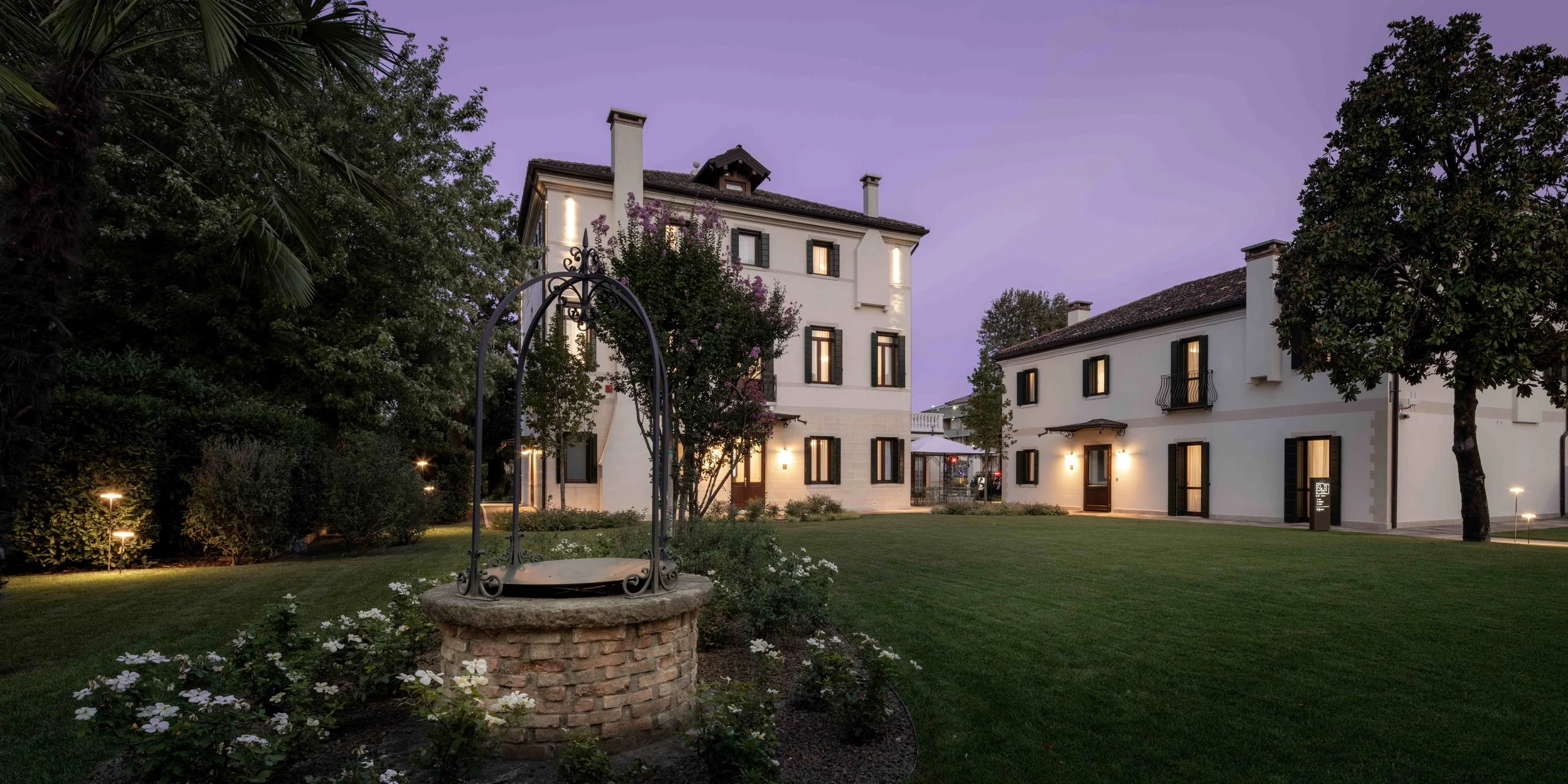
Hotel Foscarini - Domestic Scale Hospitality
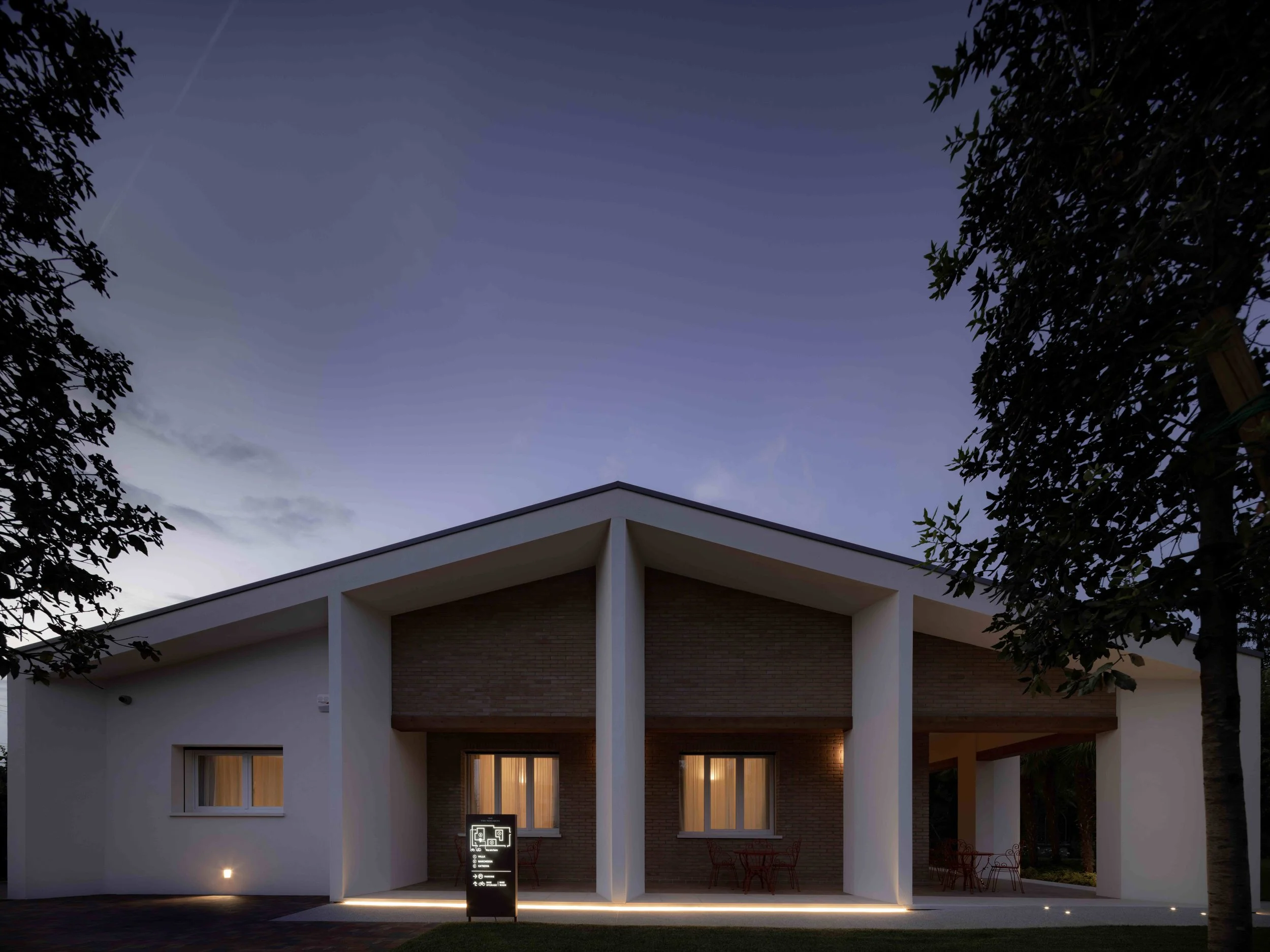
Near Treviso, Hotel Foscarini offers a complementary interpretation.
Here the emphasis is not on monumentality but on domestic proportion.
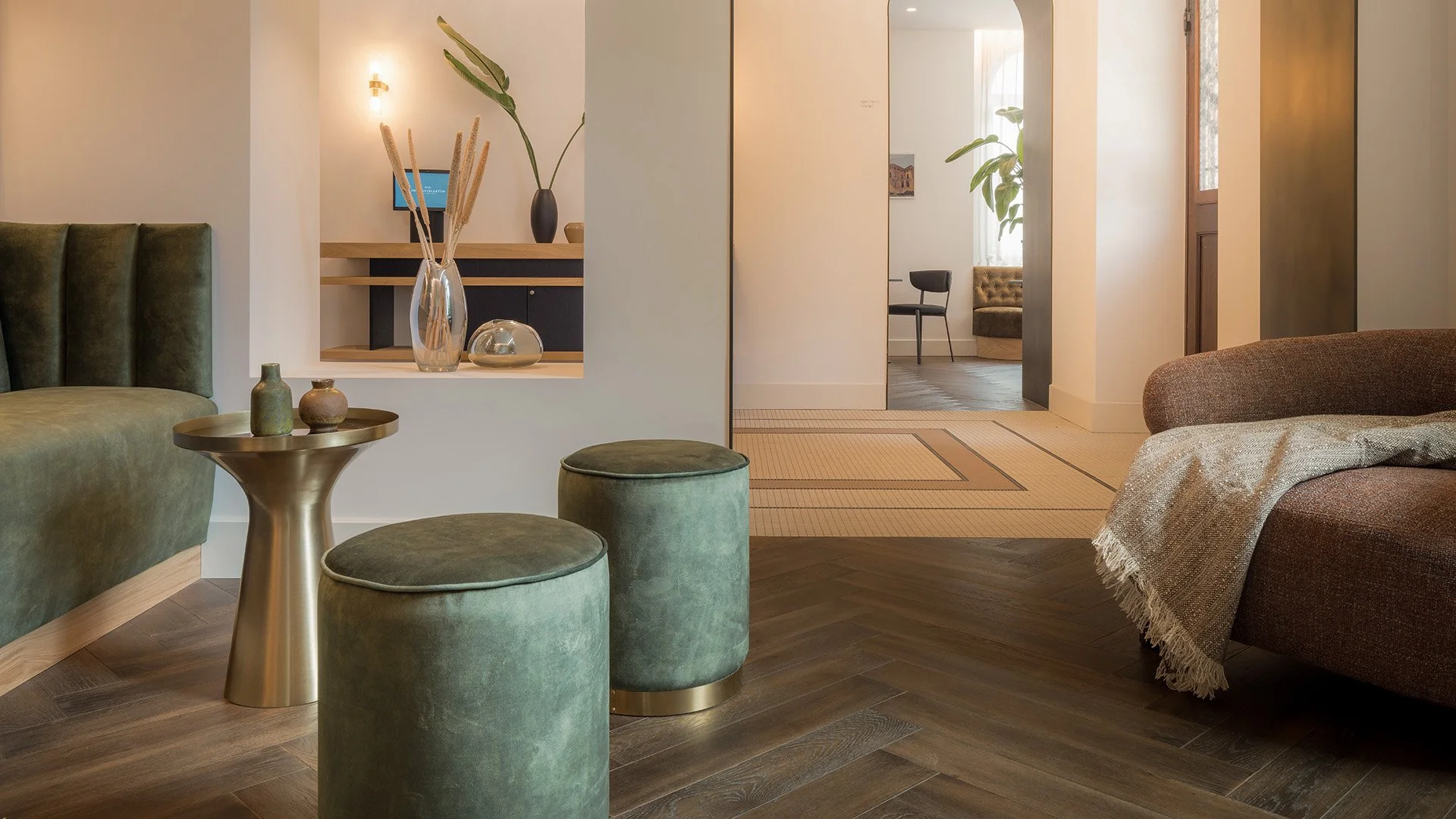
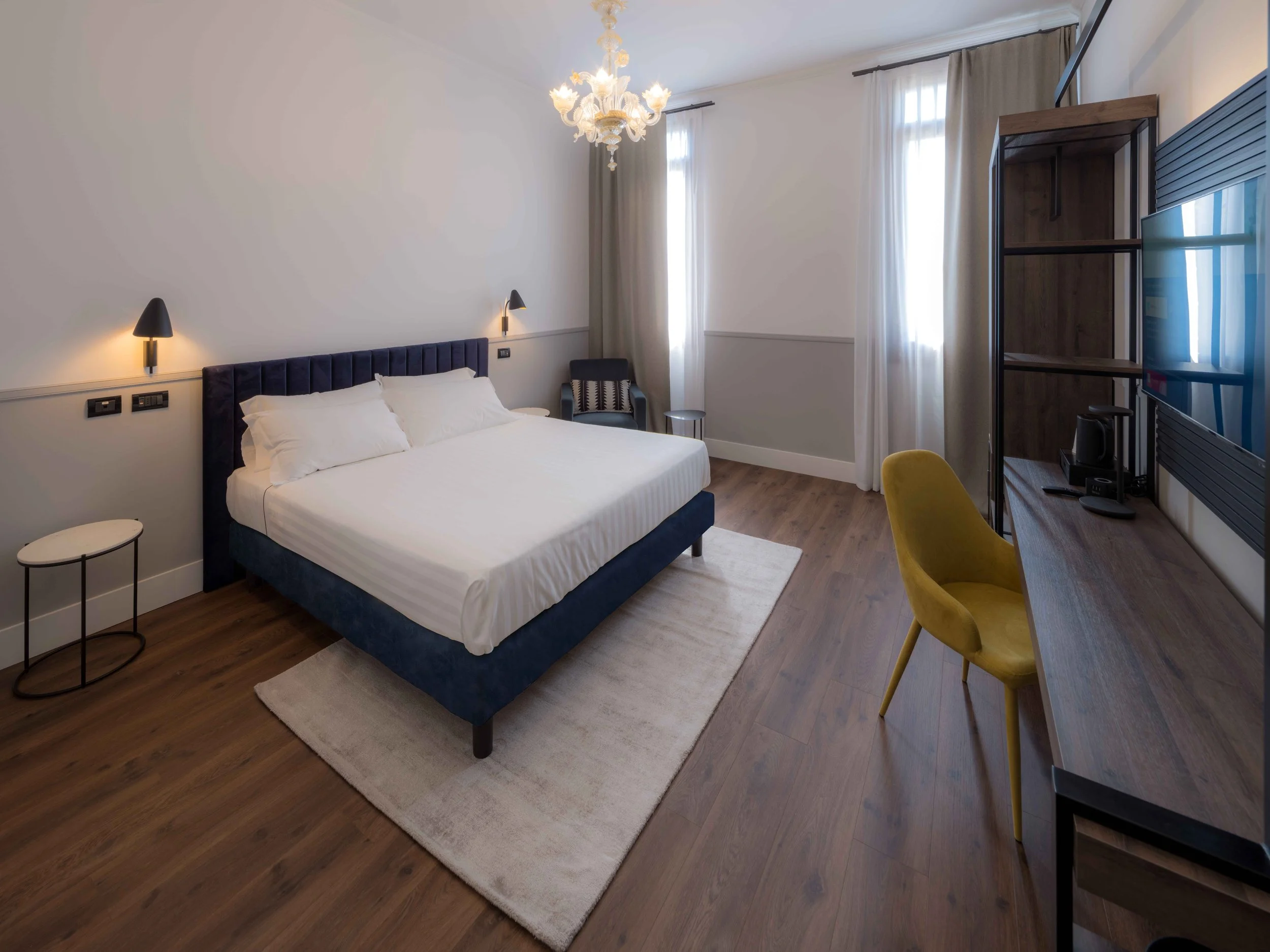
Rooms are organized around the rhythm of daily life rather than hotel operations. Natural materials, filtered light and carefully measured acoustics create an atmosphere closer to a residence than accommodation.
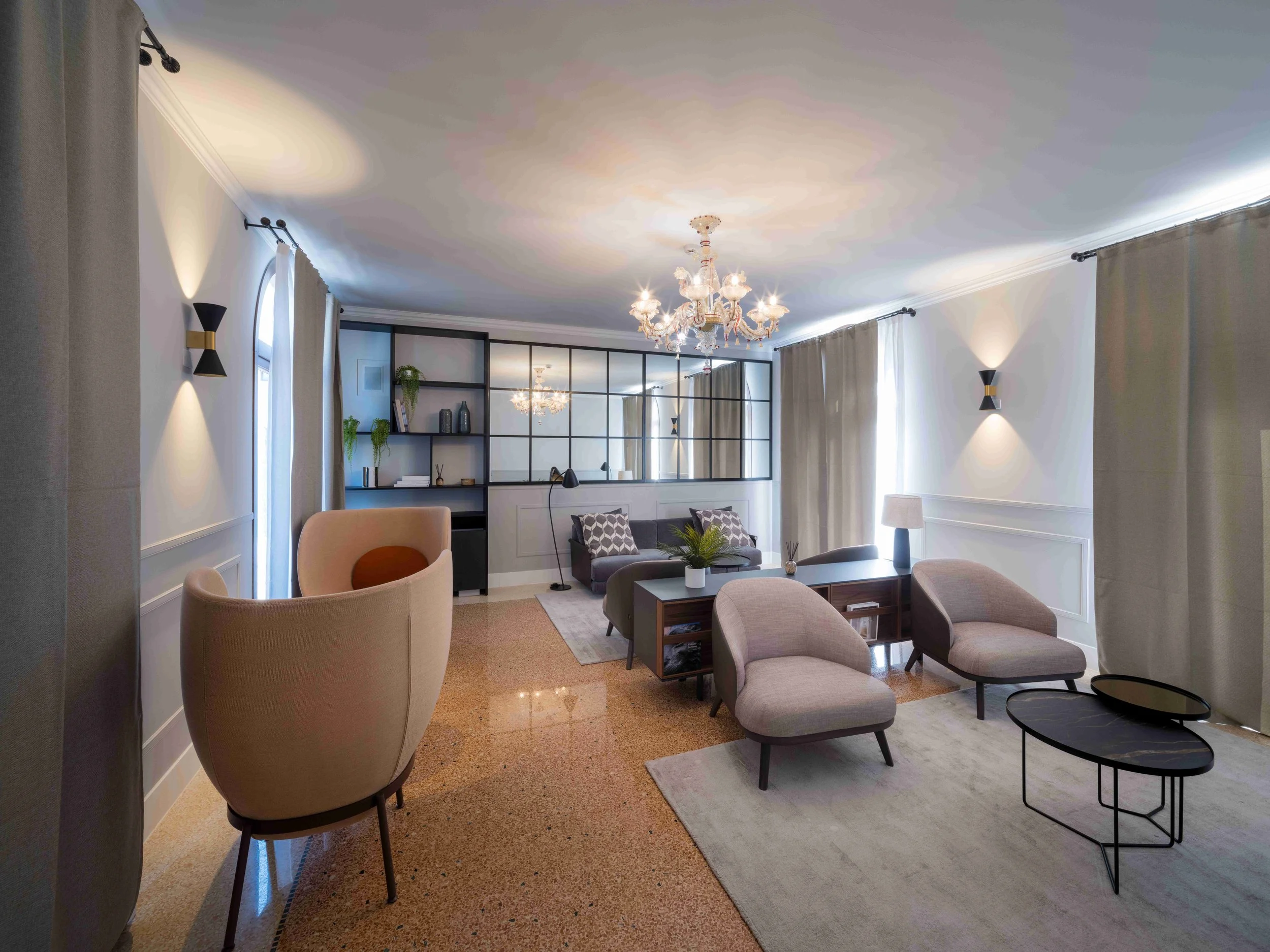
Public areas do not function as lobbies but as living rooms — places where guests naturally remain rather than simply pass through.
The building does not try to impress.
It tries to host.
A Different Kind of Luxury
These projects reveal a shift happening across parts of Europe.
Luxury hospitality is slowly moving away from spectacle and toward presence. The value is no longer only in amenities, but in the emotional comfort produced by architecture: silence, scale, texture, and light.
In this model, the building is not a container for hospitality.
It is the host.
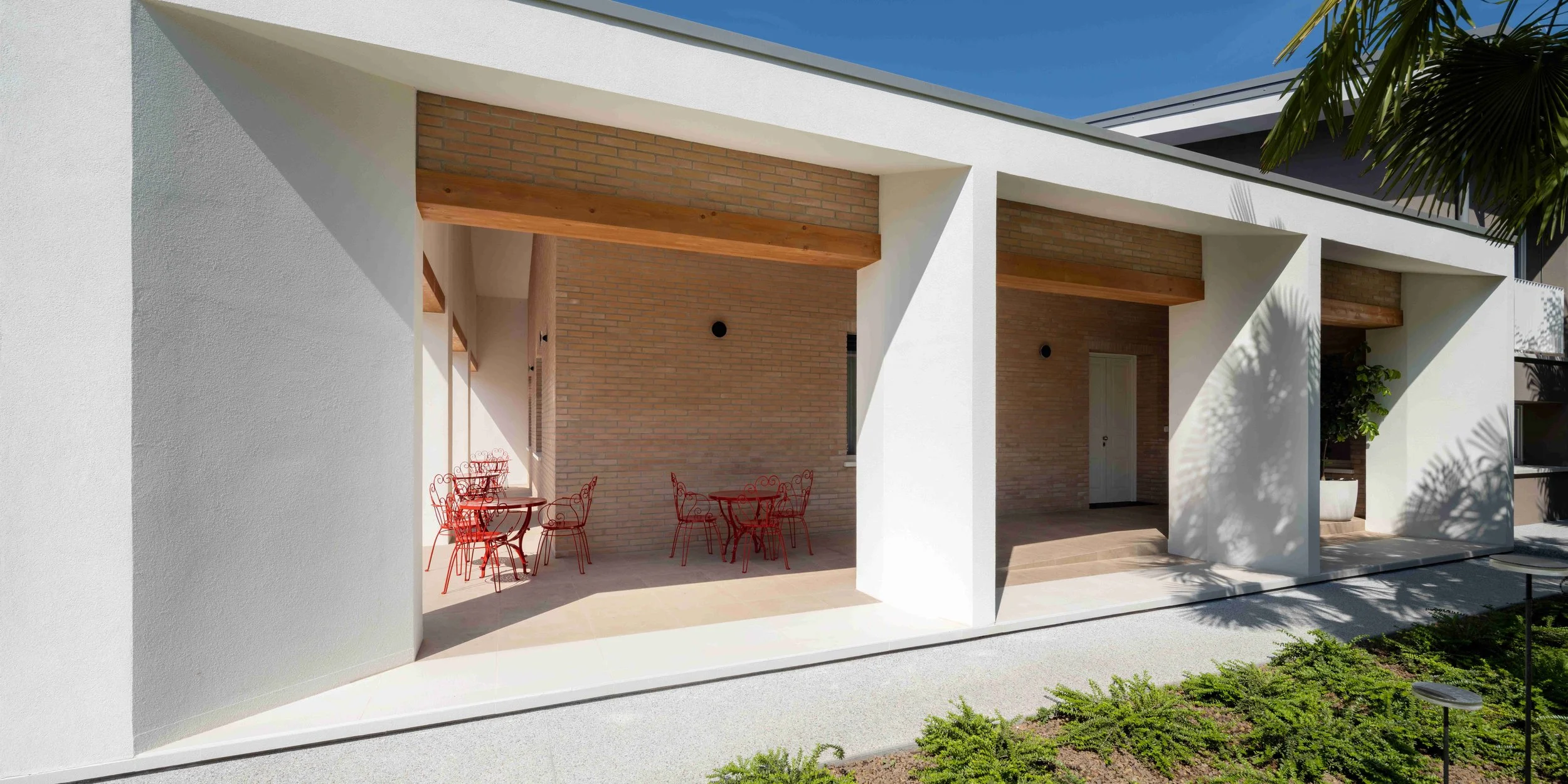
Historic houses, once private, become shared cultural spaces — places where travelers temporarily participate in a local way of living.
The Meaning for Contemporary Design
For architects and designers, this type of hospitality suggests a new role for restoration. The objective is no longer to preserve buildings as static heritage, but to allow them to remain active through use.
A building survives not because it is protected, but because it is inhabited.
The Castelletto and Hotel Foscarini demonstrate that adaptive reuse can be more than sustainability strategy. It can be a cultural one connecting contemporary travelers with architectural continuity
And perhaps that is the emerging definition of hospitality:
Not accommodation,
but belonging.