
Hotel Foscarini: The Return of Domestic Hospitality
Mogliano Veneto, Treviso, Italy
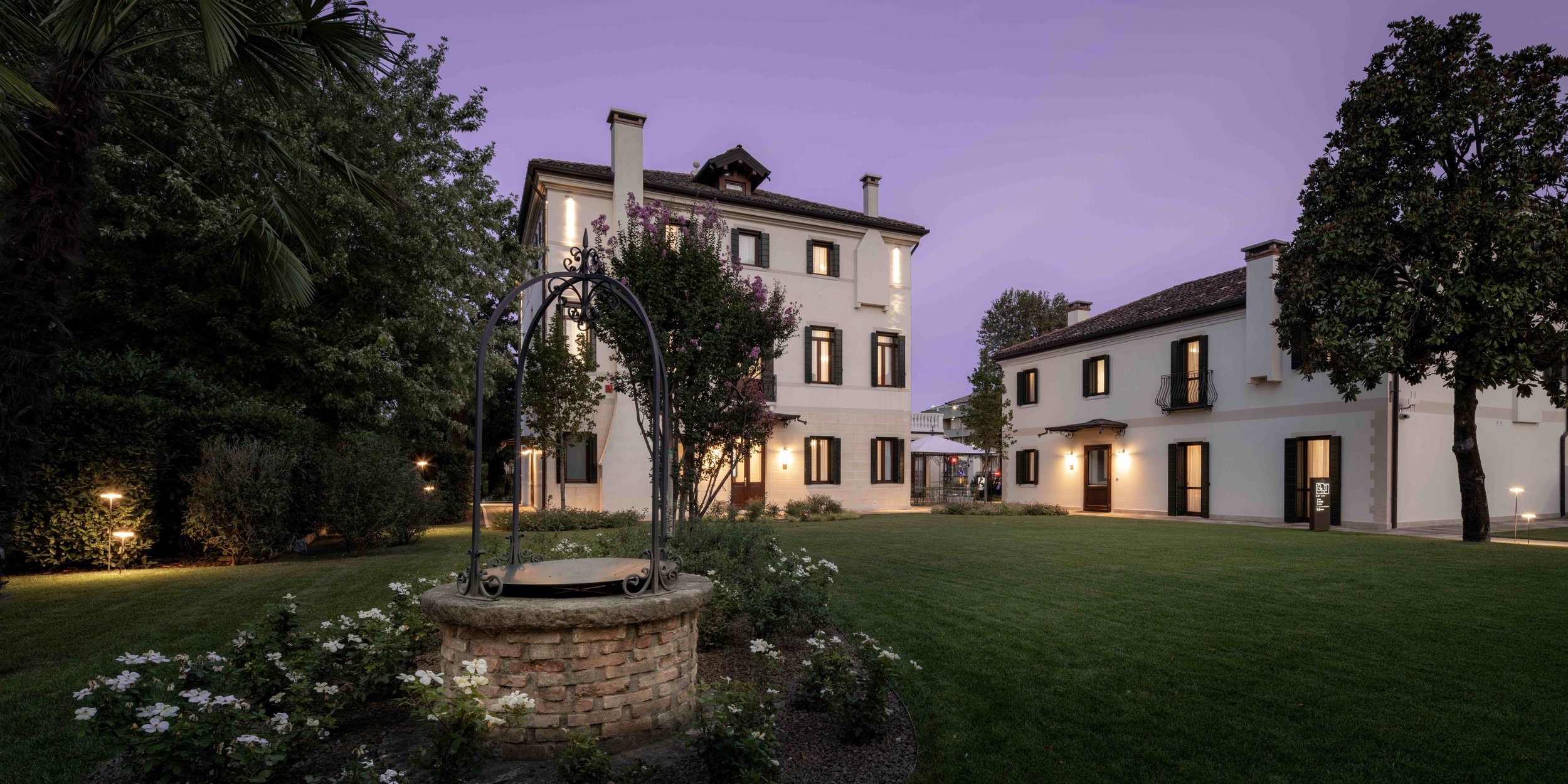
Hospitality has long been associated with scale.
Lobbies, corridors, elevators, reception desks, for decades these elements defined what a hotel should look like. Yet in parts of Europe a quieter model is emerging, one that does not rely on spectacle but on familiarity.
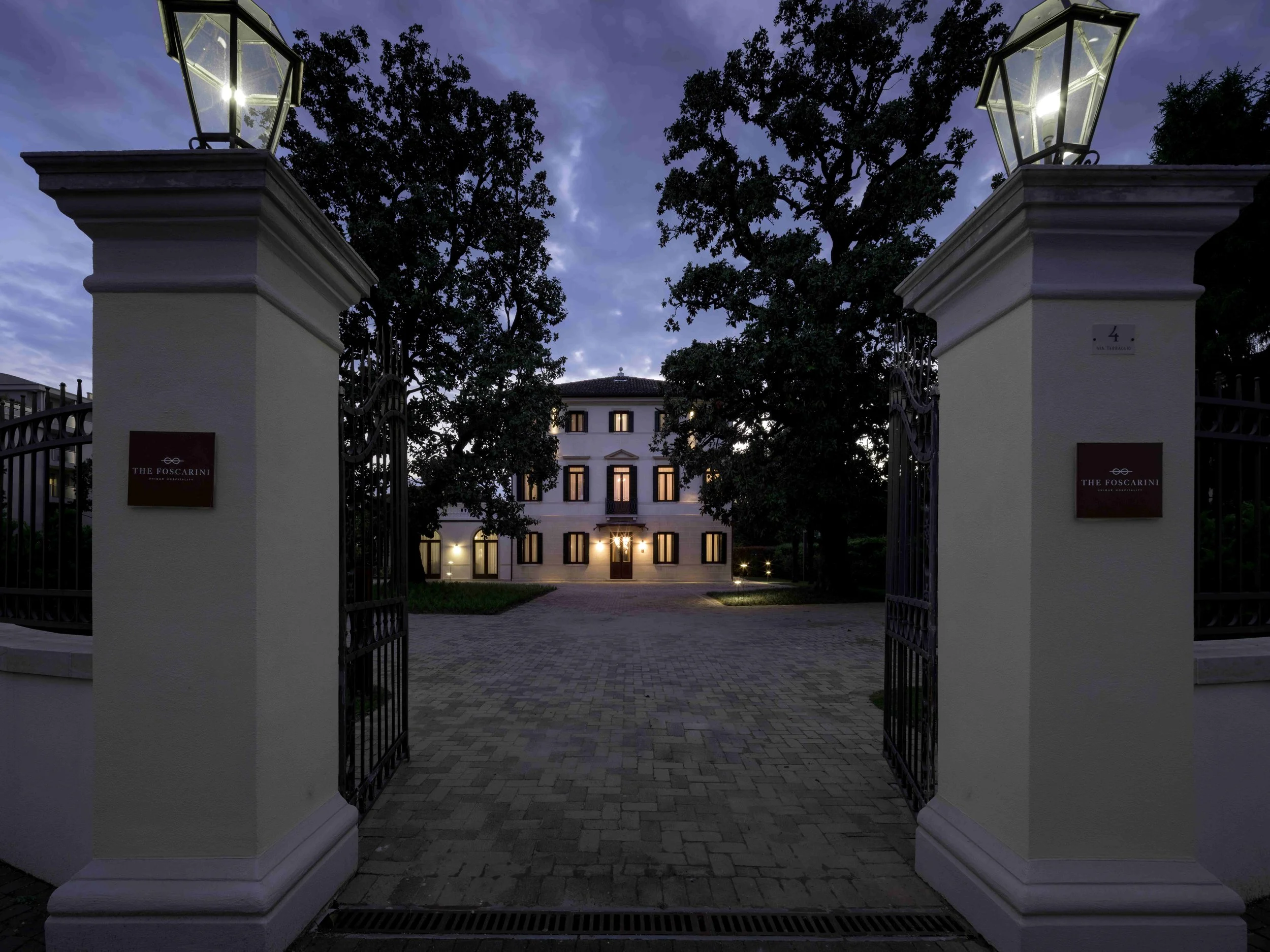
Hotel Foscarini belongs to that shift.
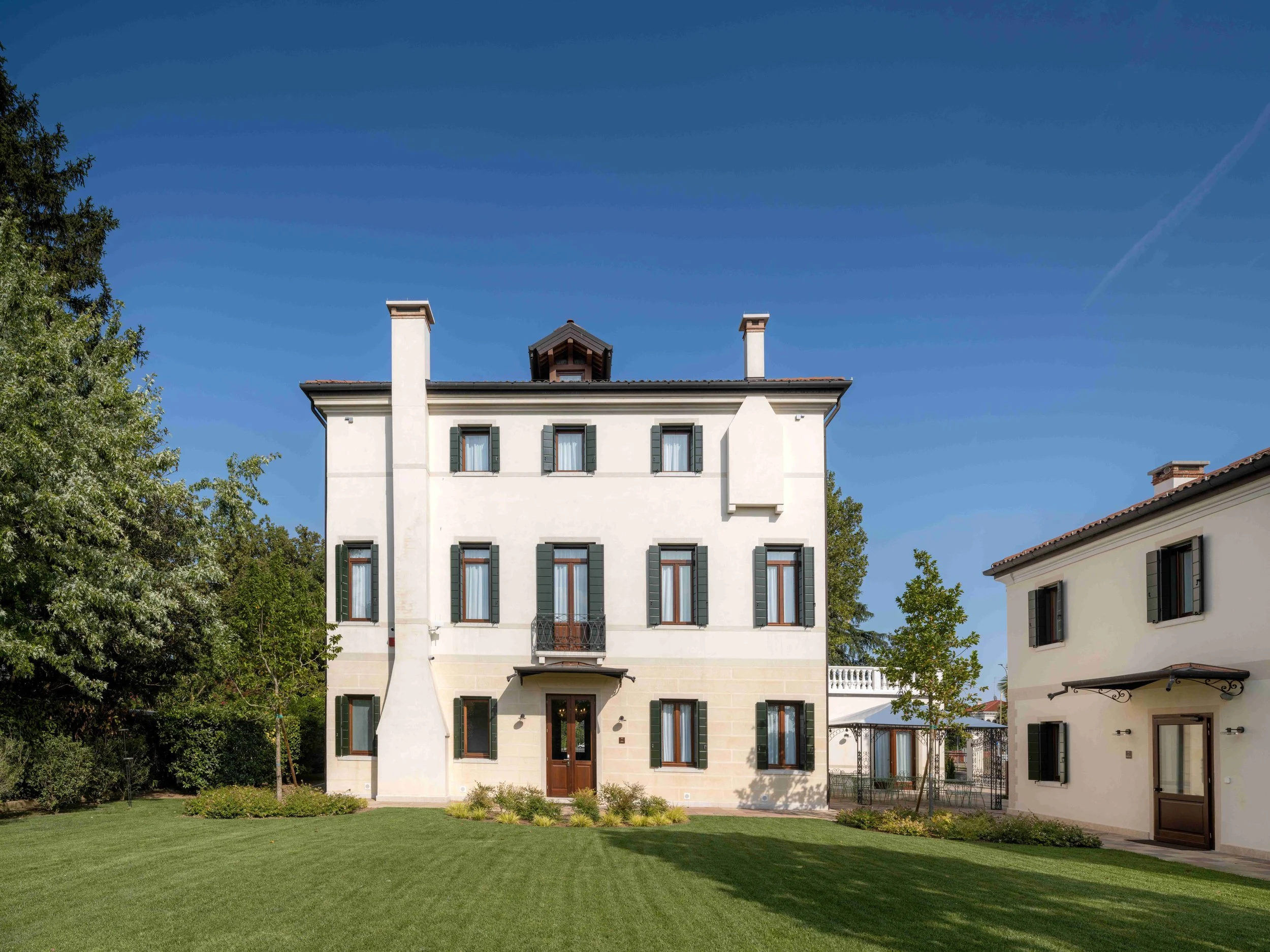
Located between Venice and Treviso, the project occupies a historic residence that has been carefully adapted into a hotel without losing its original character. Rather than transforming the building into a hospitality machine, the intervention preserves the feeling of a lived-in house.
Here, the guest is not processed.
They are received.
A House That Learned to Host
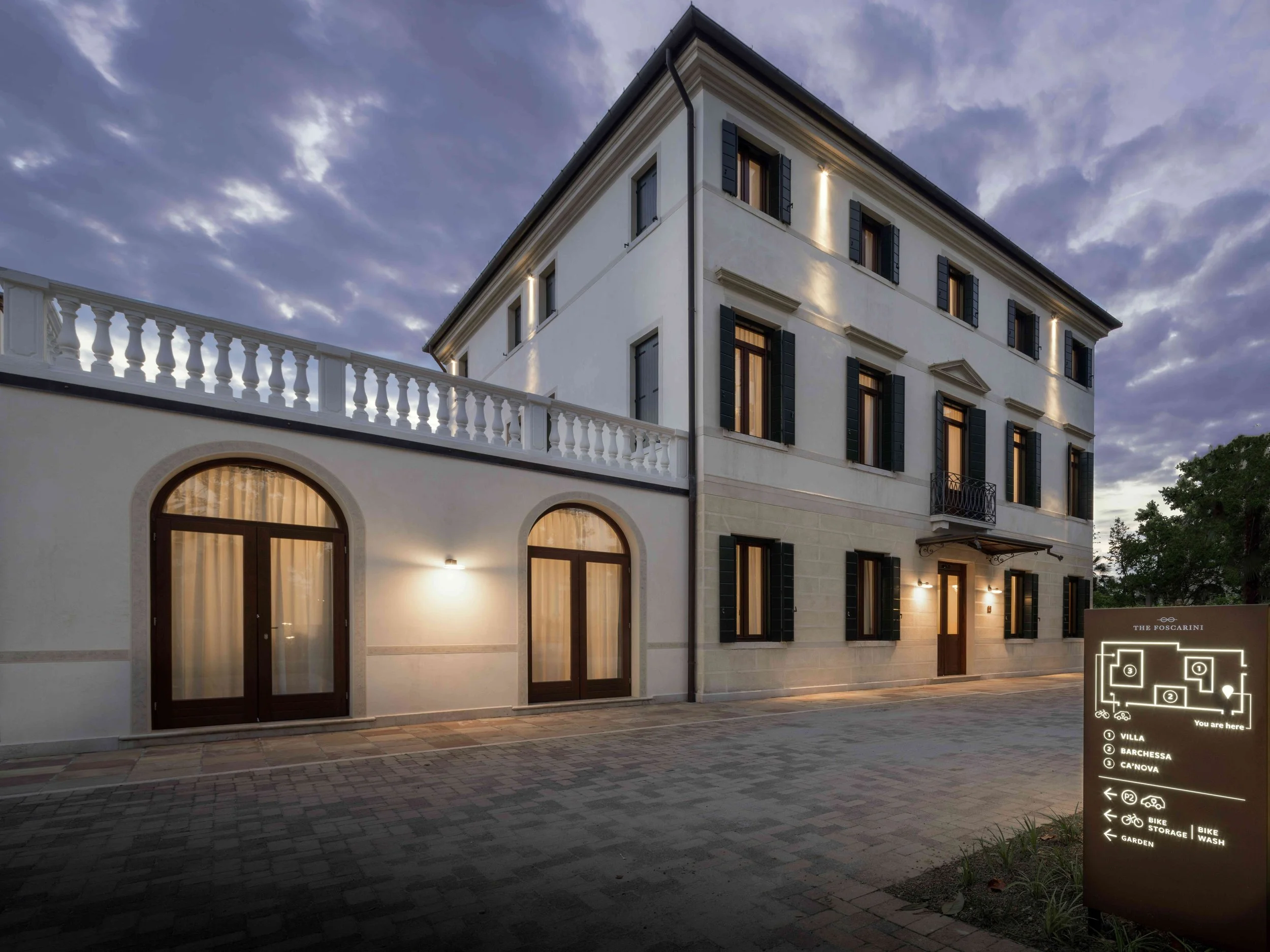
The building was originally conceived as a private home. Its proportions follow domestic life rather than operational efficiency: smaller circulation paths, closer relationships between rooms and common areas, and a stronger connection with exterior spaces.
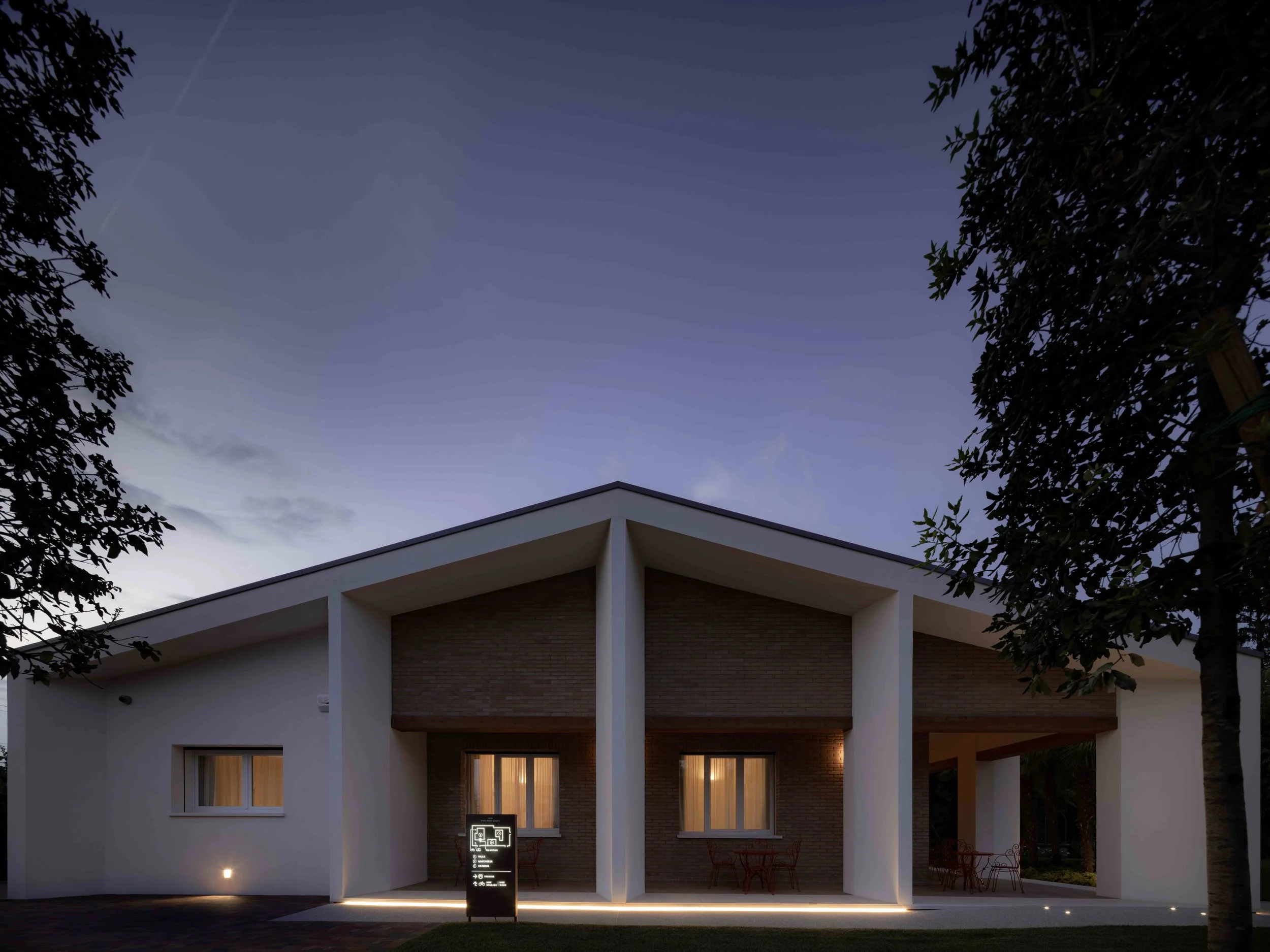
Instead of imposing hotel typologies, the project accepts the logic of the house. Rooms feel individual rather than repeated, and public areas operate as living spaces rather than transient zones.
You do not pass through the hotel.
You inhabit it.
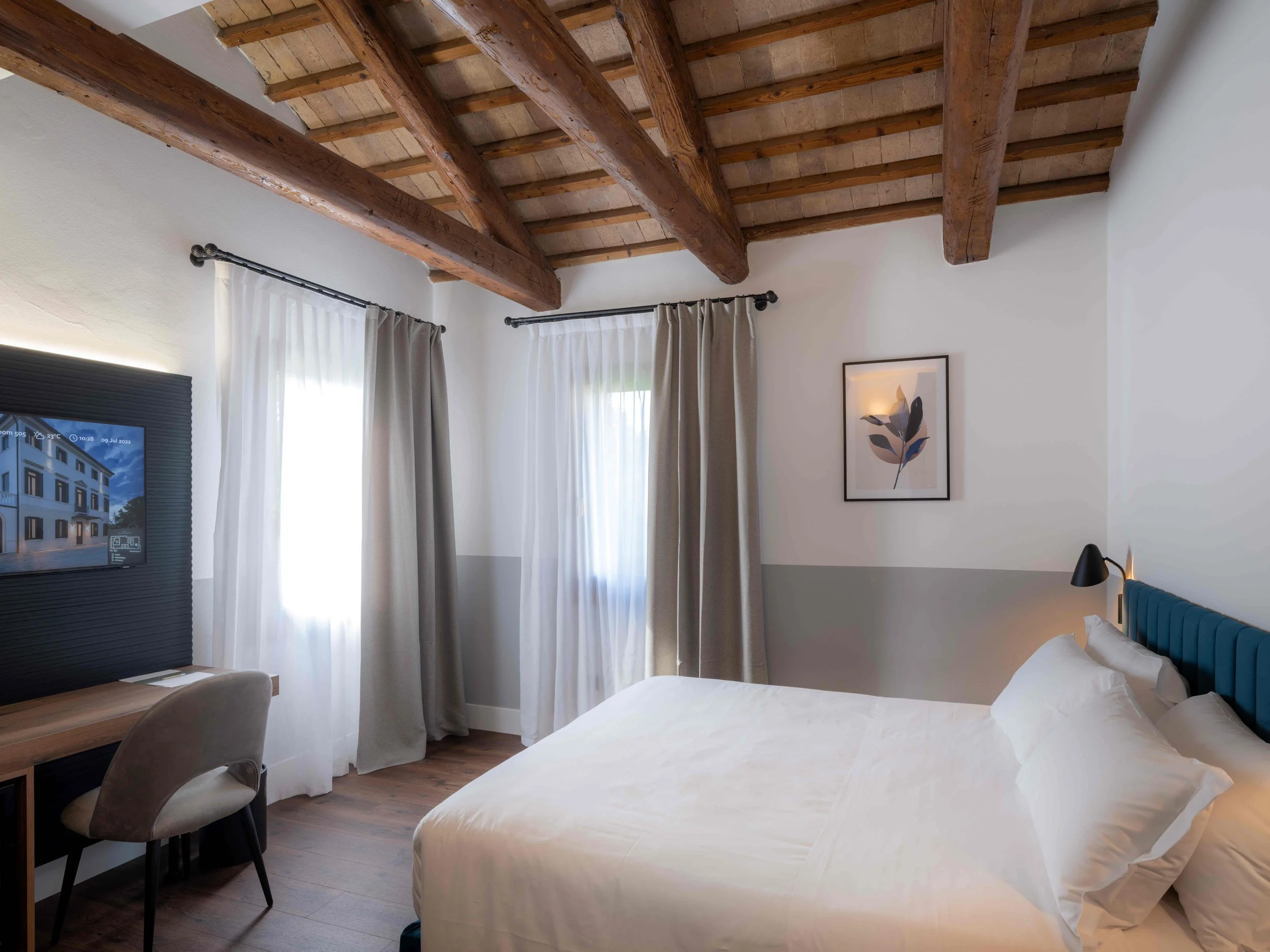
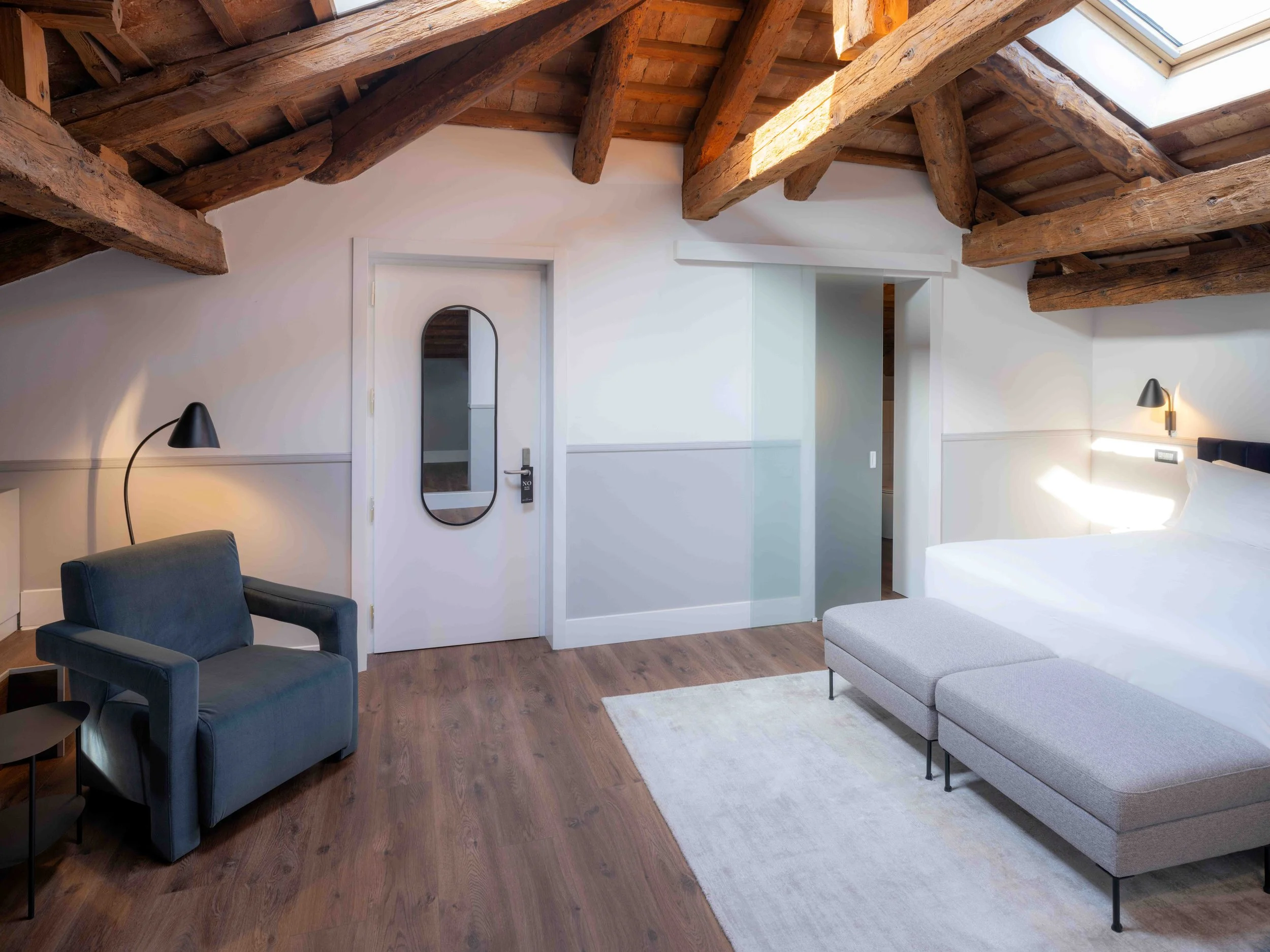
Natural light becomes part of the daily rhythm, and materials are selected not for opulence but for comfort — wood textures, soft surfaces and a restrained palette that encourages calm rather than stimulation.
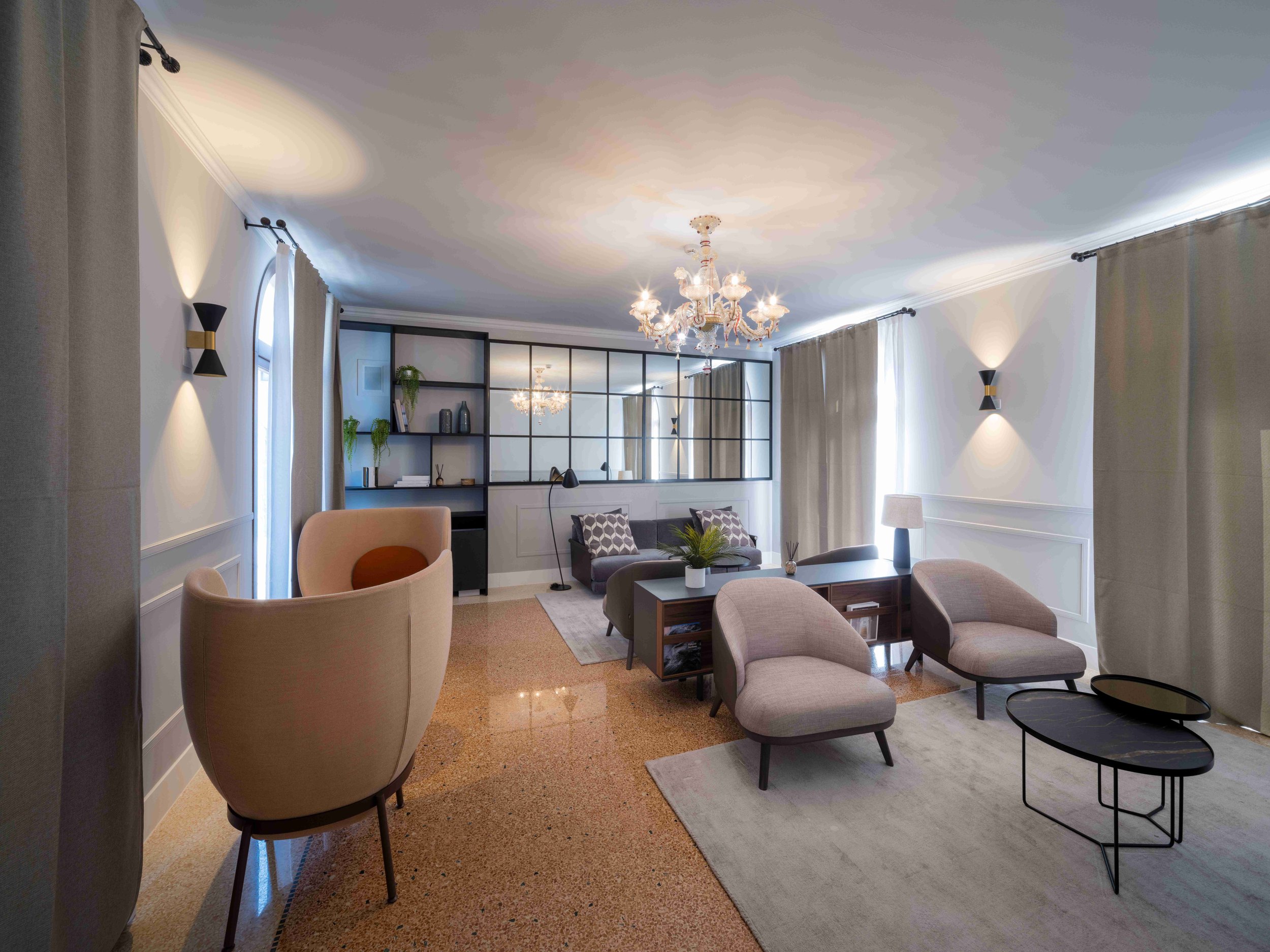
Architecture as Atmosphere
What makes Foscarini significant is not a single design gesture but the accumulation of small ones. The building does not try to impress visitors upon arrival; it gradually reveals itself.
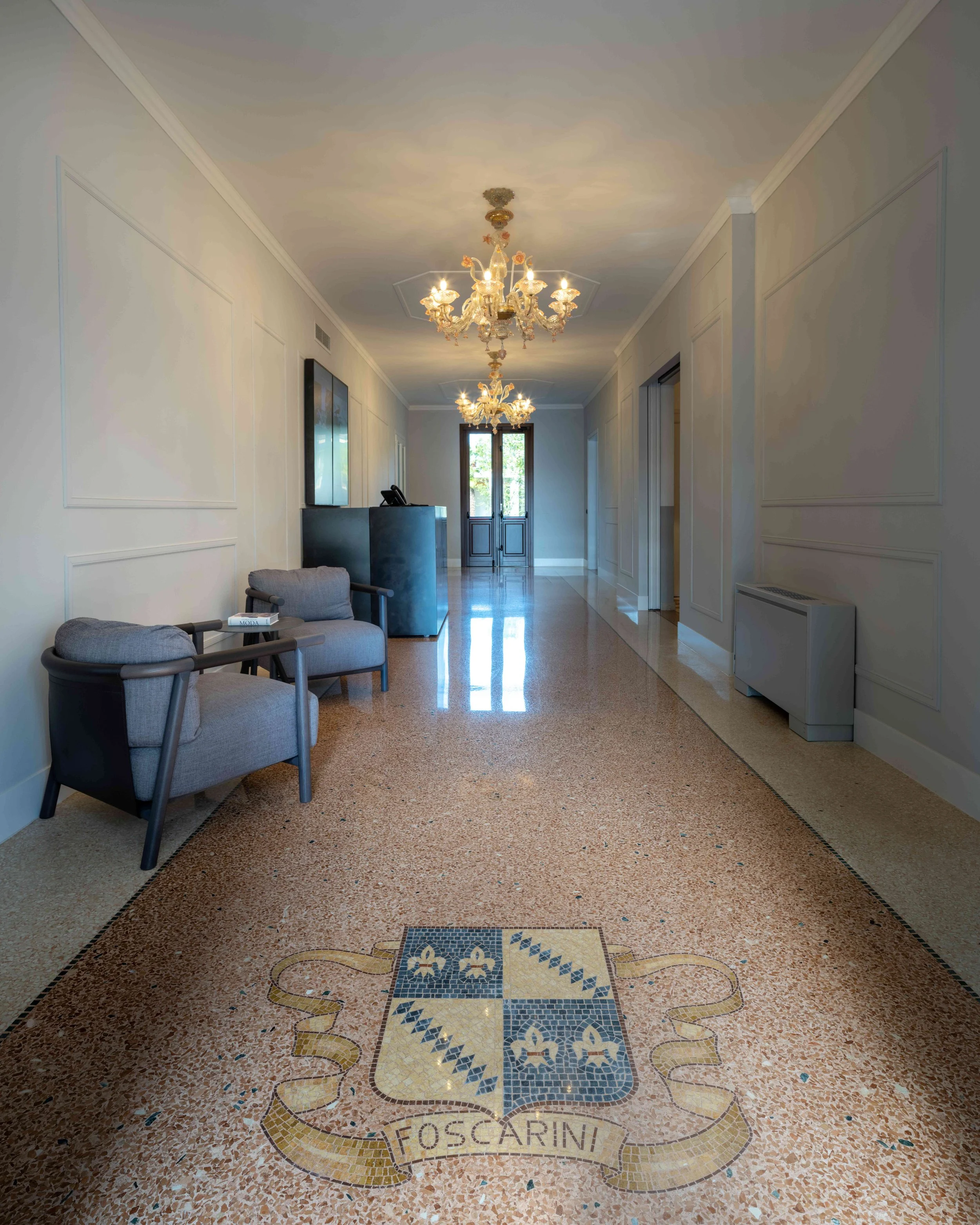
Spaces transition softly from exterior to interior.
Circulation is intuitive.
Acoustics are controlled.
The result is an environment where architecture supports rest.
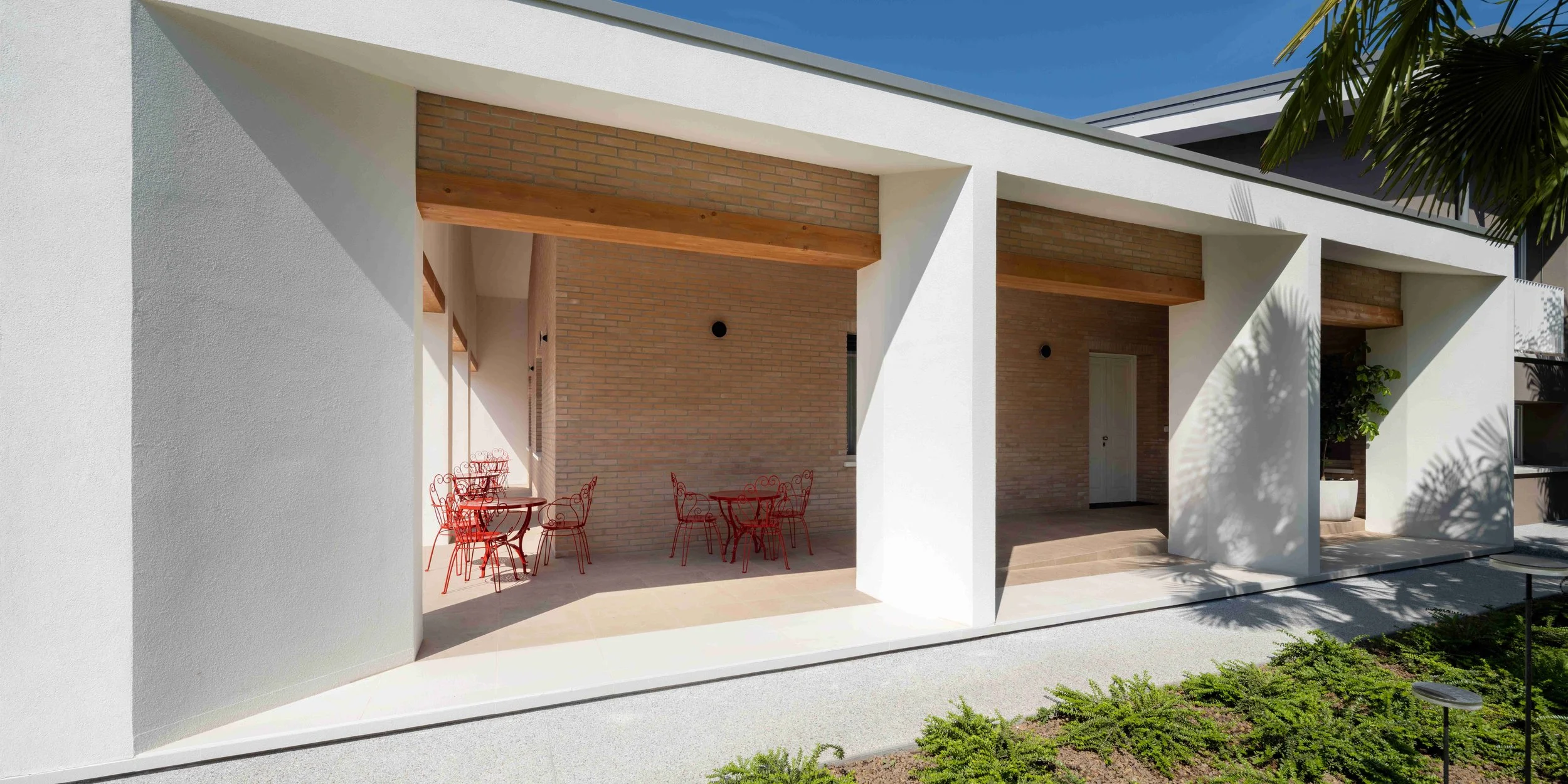
In this model, the role of design is not to attract attention but to create emotional stability — a rare quality in contemporary travel.
The hotel functions less like accommodation and more like temporary belonging.
A Different Experience of Travel
Many hotels offer amenities.
Few offer familiarity.
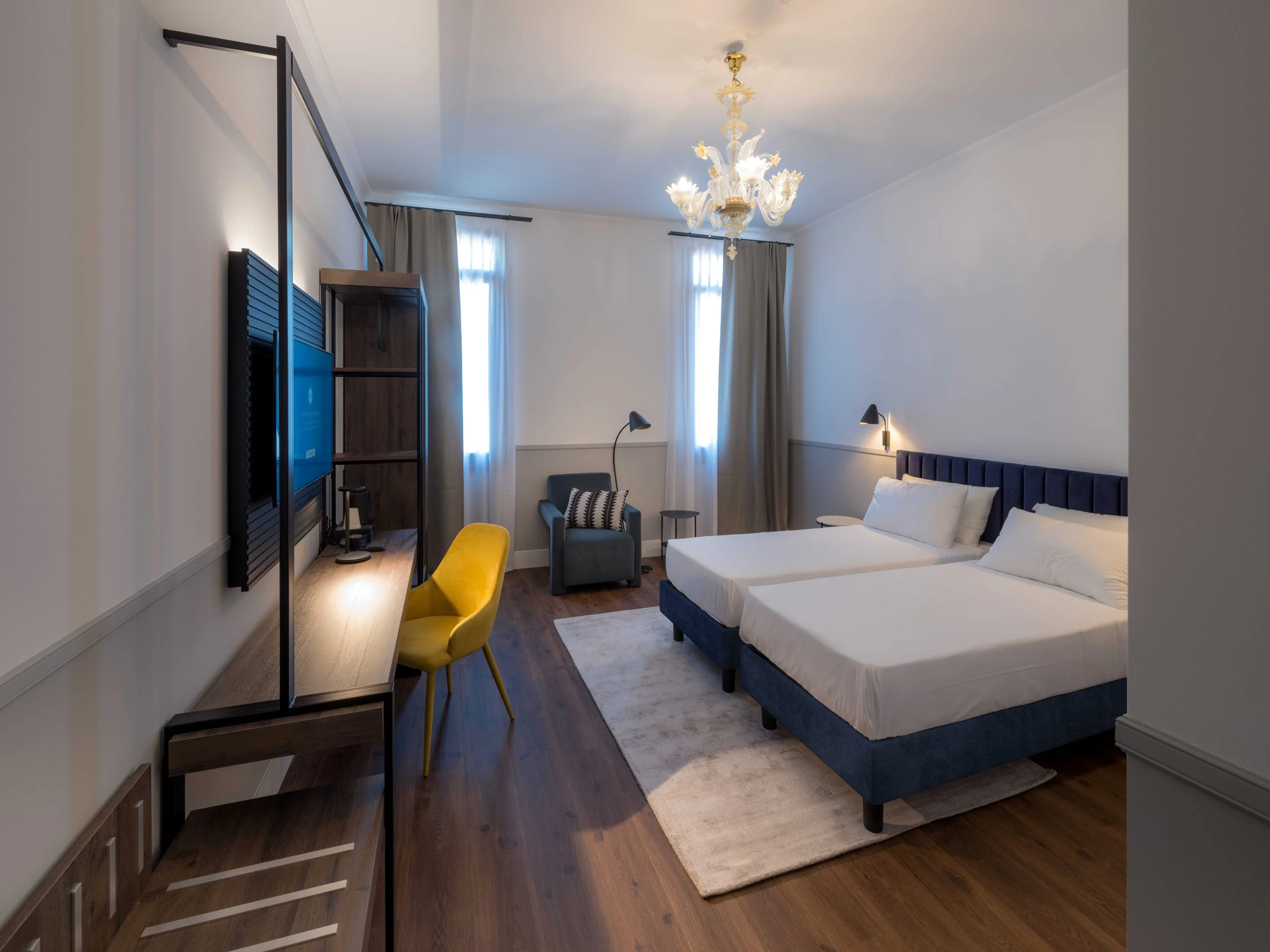
Foscarini proposes a slower relationship with place. Guests remain longer in common areas, conversations extend naturally, and the building becomes part of the experience of the city rather than a pause between activities.
This approach reflects a broader transformation in European hospitality: the move from service to hosting.
Travel is no longer only about seeing a destination.
It is about living within it, even briefly.
Hospitality Beyond Tourism
Projects like Hotel Foscarini suggest that adaptive reuse is not only a sustainability strategy but a cultural one. By keeping historic houses active through everyday use, architecture remains relevant and alive.
The building does not become a museum.
It continues its original function: sheltering life.
And perhaps that is the future of hospitality — not creating more hotels, but rediscovering houses.
Part of a Series
This project is part of our editorial exploration of contemporary European hospitality.
Read the full feature: A New Italian Hospitality: When Historic Houses Become Hotels