Milan, Reframed Through Hospitality
Some cities are defined by monuments. Milan, increasingly, is defined by where you check in, through hotels, rooftops and dining rooms that reveal how the city wants to be experienced now.
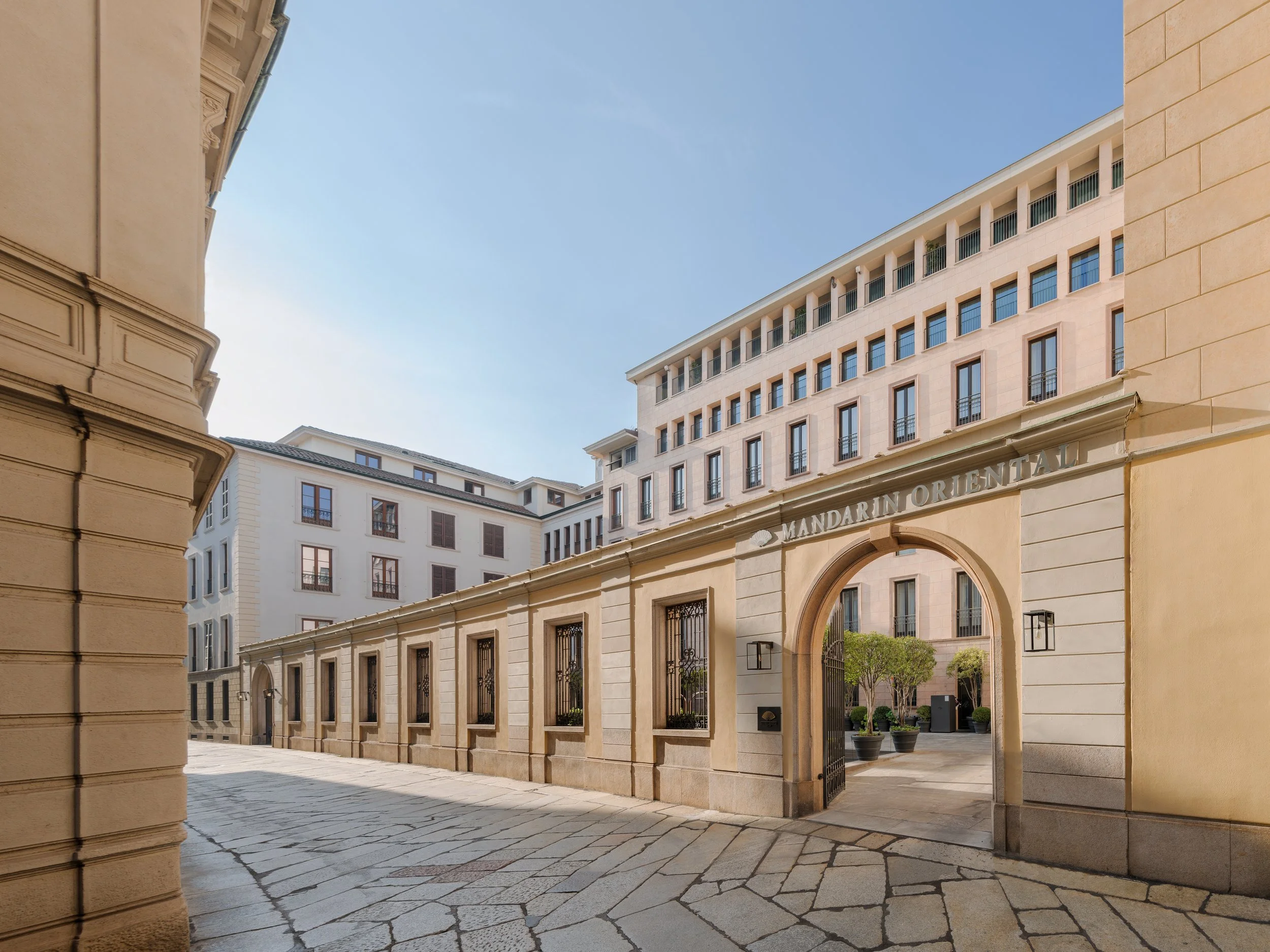
For THECORE’s “Icons & Innovation in Hospitality” edition, Milan is not approached as a catalogue of addresses, but as a sequence of atmospheres. The landing already maps the city through a precise group of hotels and hospitality spaces — from Crossing Manzoni and Mandarin Oriental Milan to Hotel VIU Milan, ME Milan Il Duca, Palazzo Cordusio, Camparino in Galeria and B Restaurant — each one expressing a different layer of the city’s character: intimate, crafted, social, cinematic, monumental.
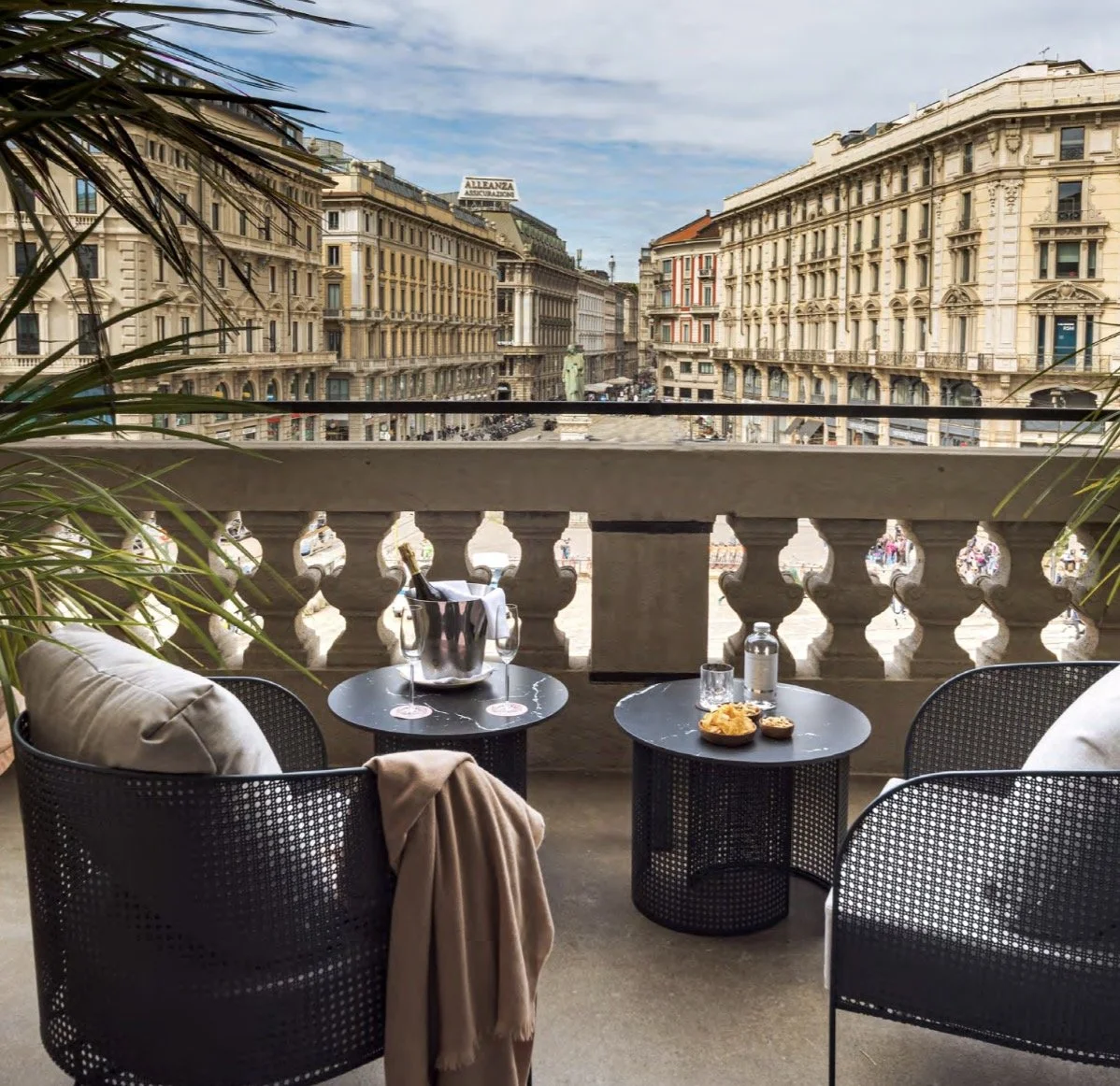
What makes this selection interesting is not only the quality of the properties themselves, but the way they read together. They suggest that Milan’s hospitality identity is no longer built on a single idea of luxury. Instead, it is assembled through contrasts: townhouse intimacy against skyline glamour, historic palazzi against greener urban futures, quiet service against high-energy rooftops.
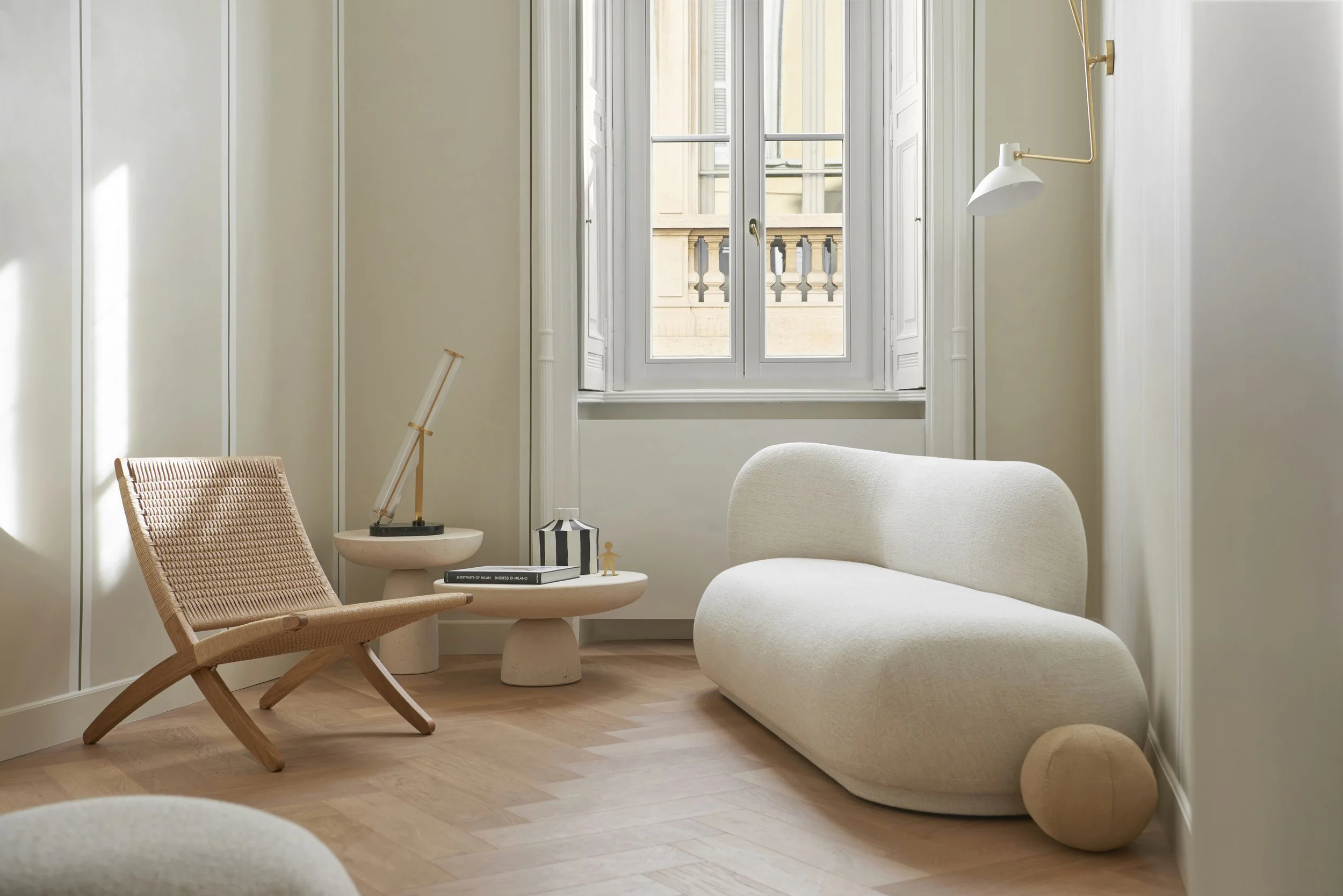
At Crossing Manzoni, hospitality feels almost domestic: a discreet pied-à-terre between La Scala and Brera where 1940s–60s design icons, contemporary art and personal hosting offer a softer way of entering the city. At Mandarin Oriental, Milan, the tone shifts toward crafted urban retreat — a four-palazzo property where suites become design archives, gastronomy is refined, and innovation works quietly behind the scenes.
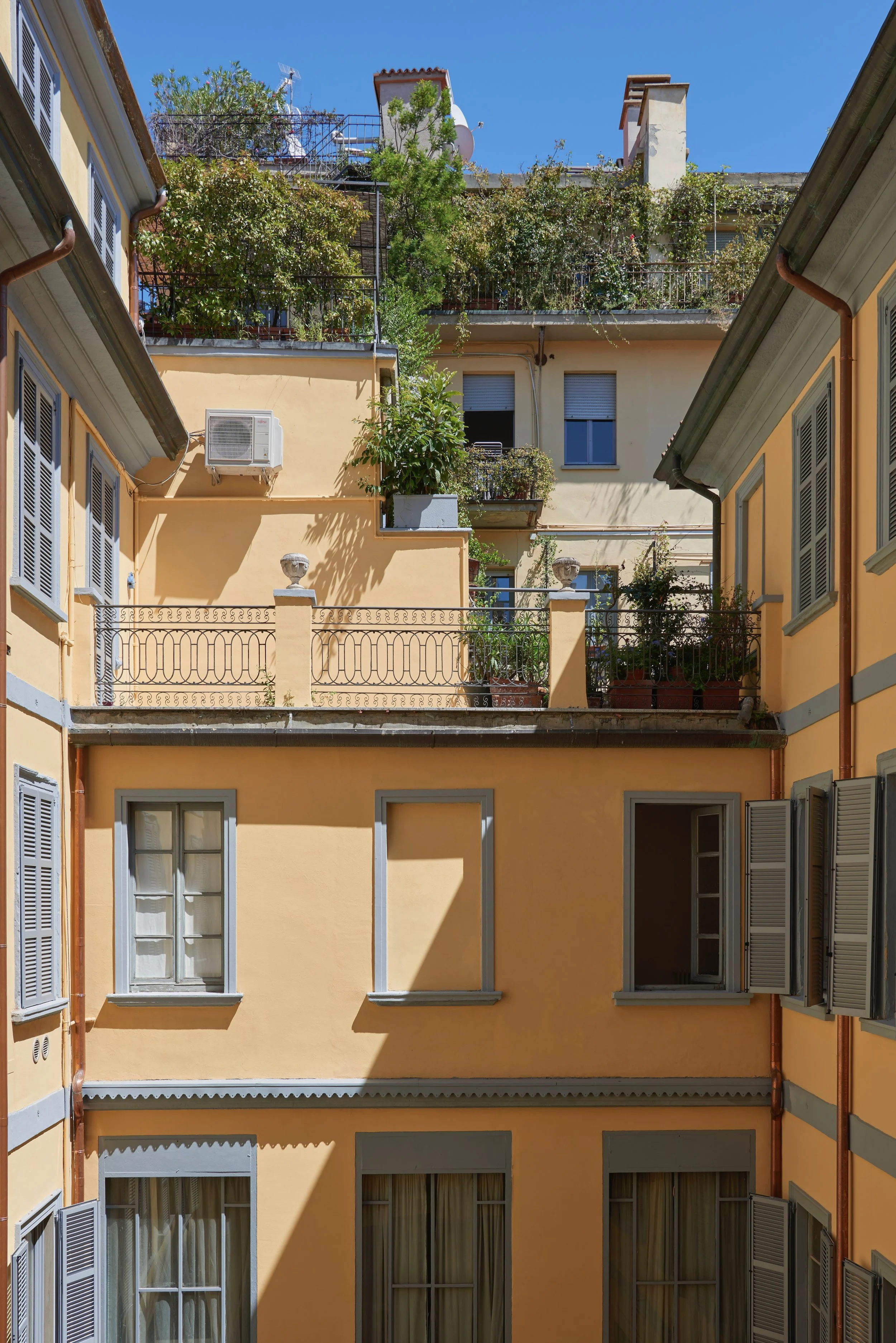
Hotel VIU Milan reads differently again. In Porta Volta, it translates Milan into vertical greenery, skyline views and a rooftop language of contemporary quiet luxury. ME Milan Il Duca, by contrast, turns an Aldo Rossi landmark into a more cinematic stage, where architecture, fashion and nightlife share the same frame. And at Palazzo Cordusio, the city’s historic financial core is reimagined as a modern palace of open luxury, proving that adaptive reuse in Milan can be both symbolic and socially alive.
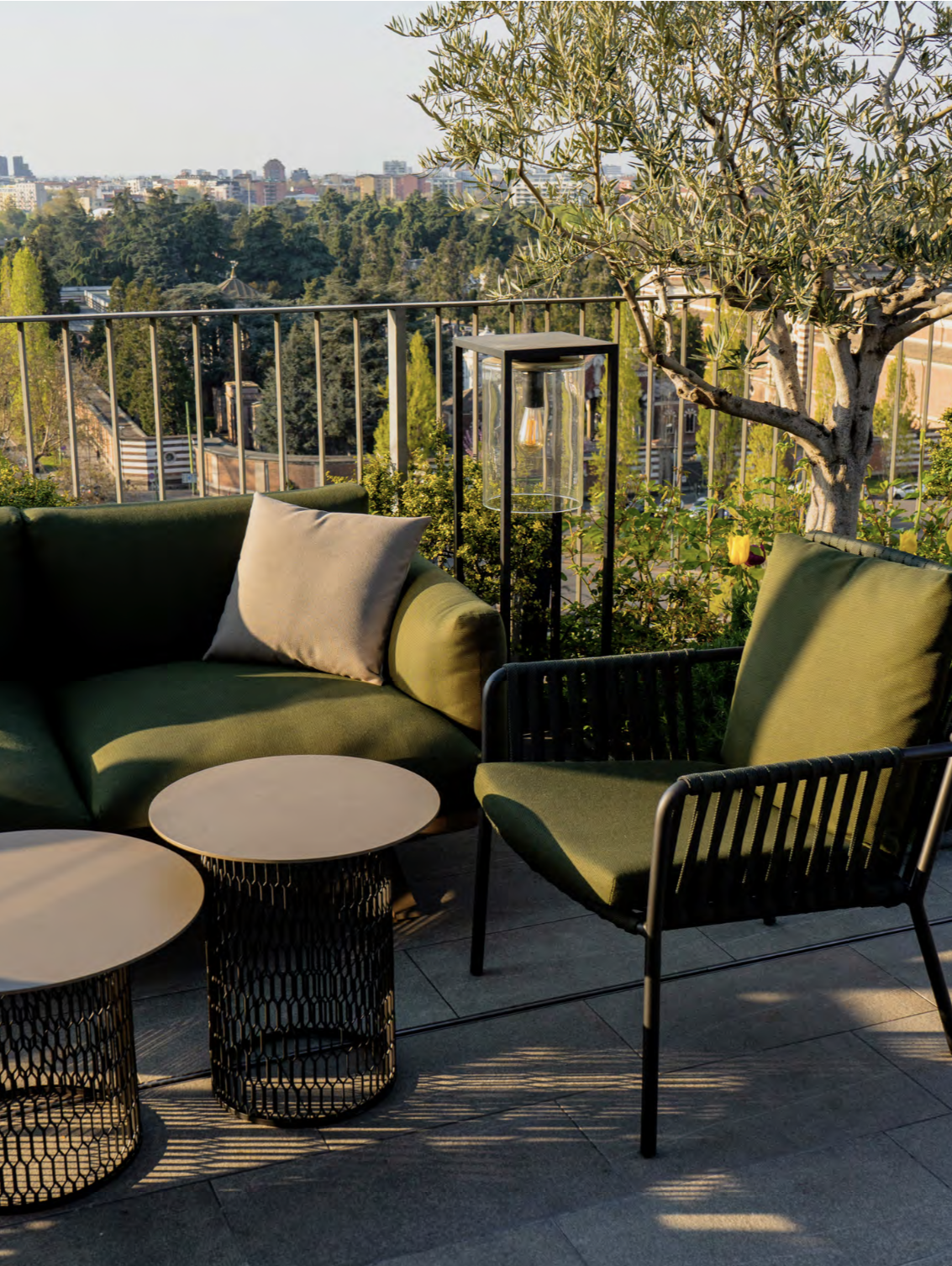
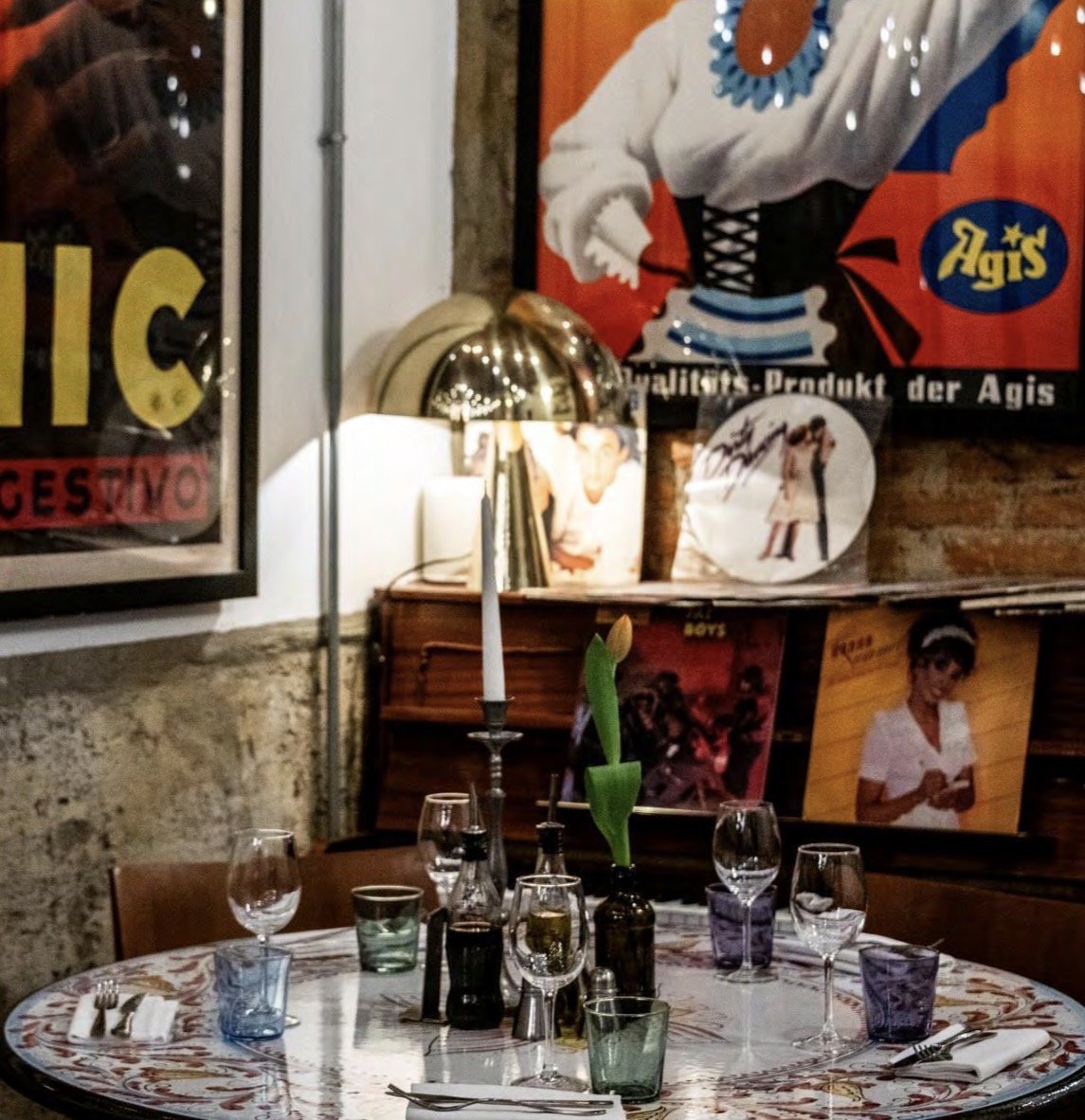
Then there are the smaller but equally revealing spaces. B Restaurant Piazza Borromeo appears on the edition not as an accessory, but as part of Milan’s softer hospitality infrastructure: the side of the city where long dinners, wood-fired cooking and conversation matter just as much as grand hotel lobbies. Even the inclusion of Carolin Kreutzer on the landing broadens the reading, reminding us that hospitality in Milan is also shaped by art, reflection and interior atmosphere, not only by service models.
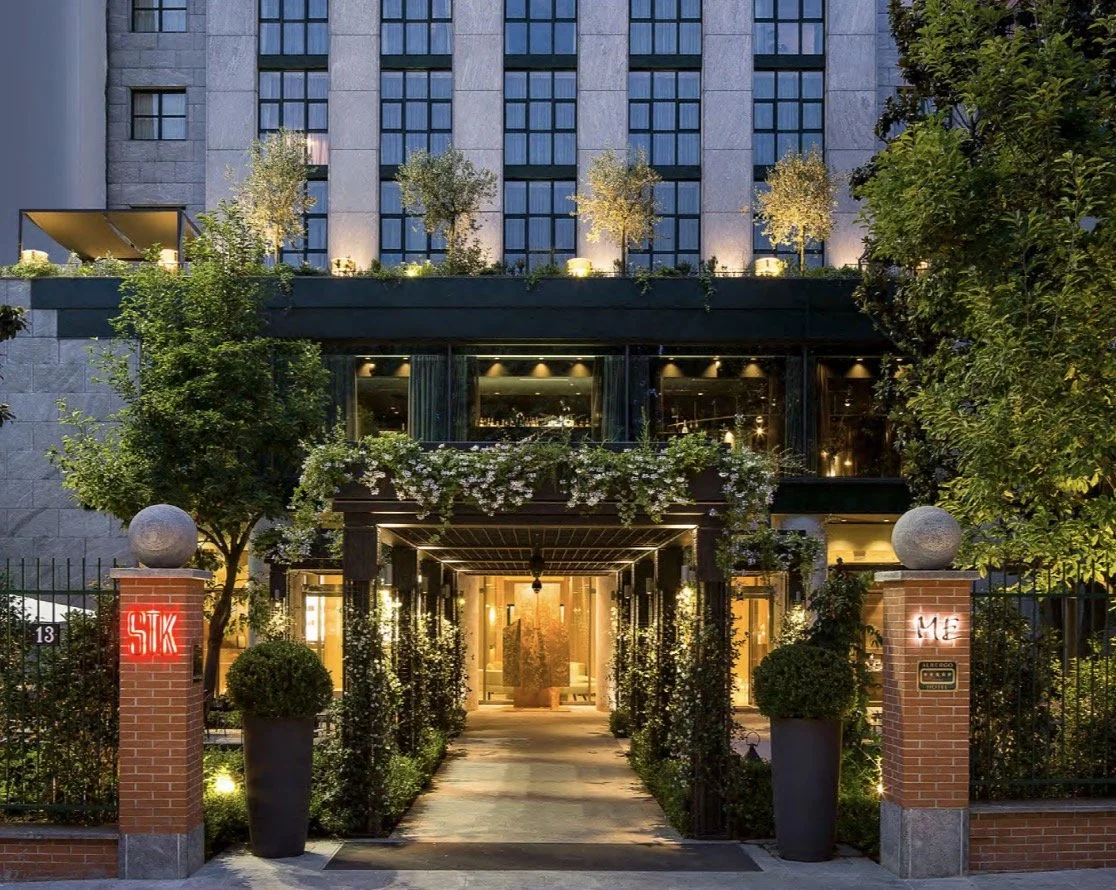
This is perhaps the real argument behind the edition: Milan’s most compelling hospitality spaces do not try to dominate the city. They interpret it. They work with context, memory, materiality, neighbourhood energy and the emotional rhythms of arrival and stay. They understand that innovation is not always loud. Sometimes it is a rooftop pool with a different view of the skyline; sometimes it is a quiet townhouse where service feels personal; sometimes it is simply a restaurant where the evening unfolds at exactly the right pace.
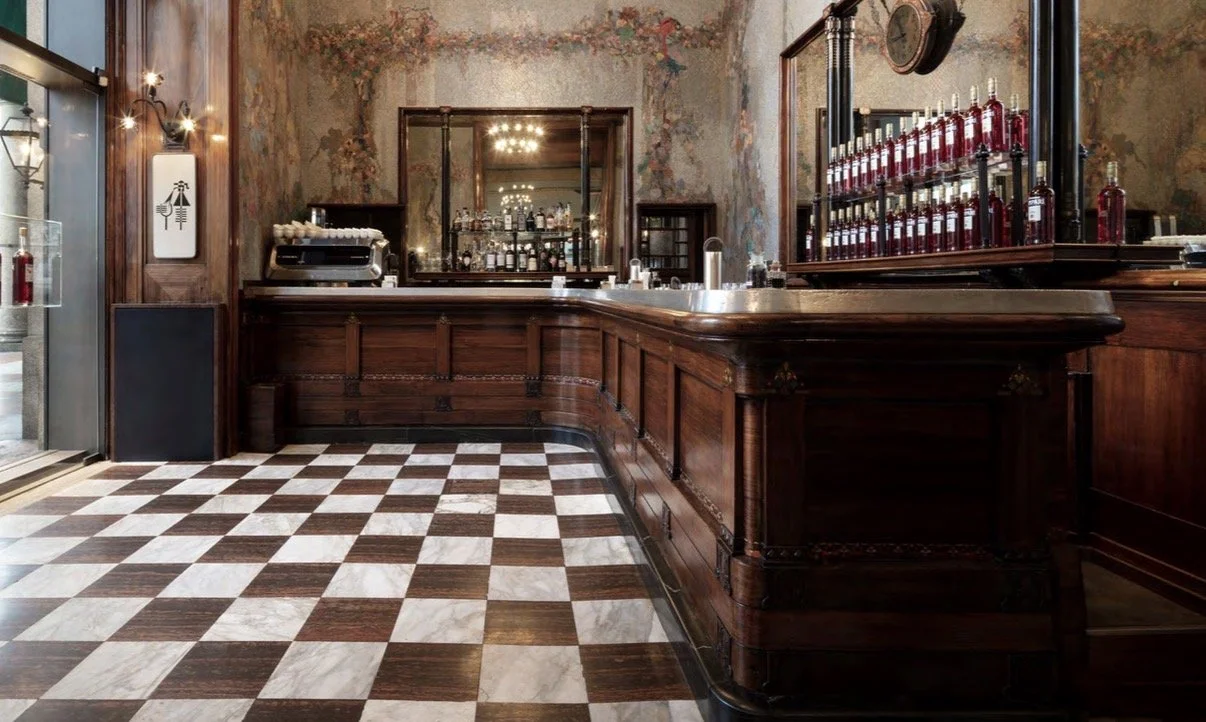
In that sense, Icons & Innovation in Hospitality is less a list of places and more a way of reading Milan itself. Not through monuments alone, but through the spaces where contemporary life is hosted — where the city becomes tactile, social and memorable.