
Living with Art on the Upper West Side
Jessica Gersten Design crafts a quiet, sculptural apartment for a passionate collector
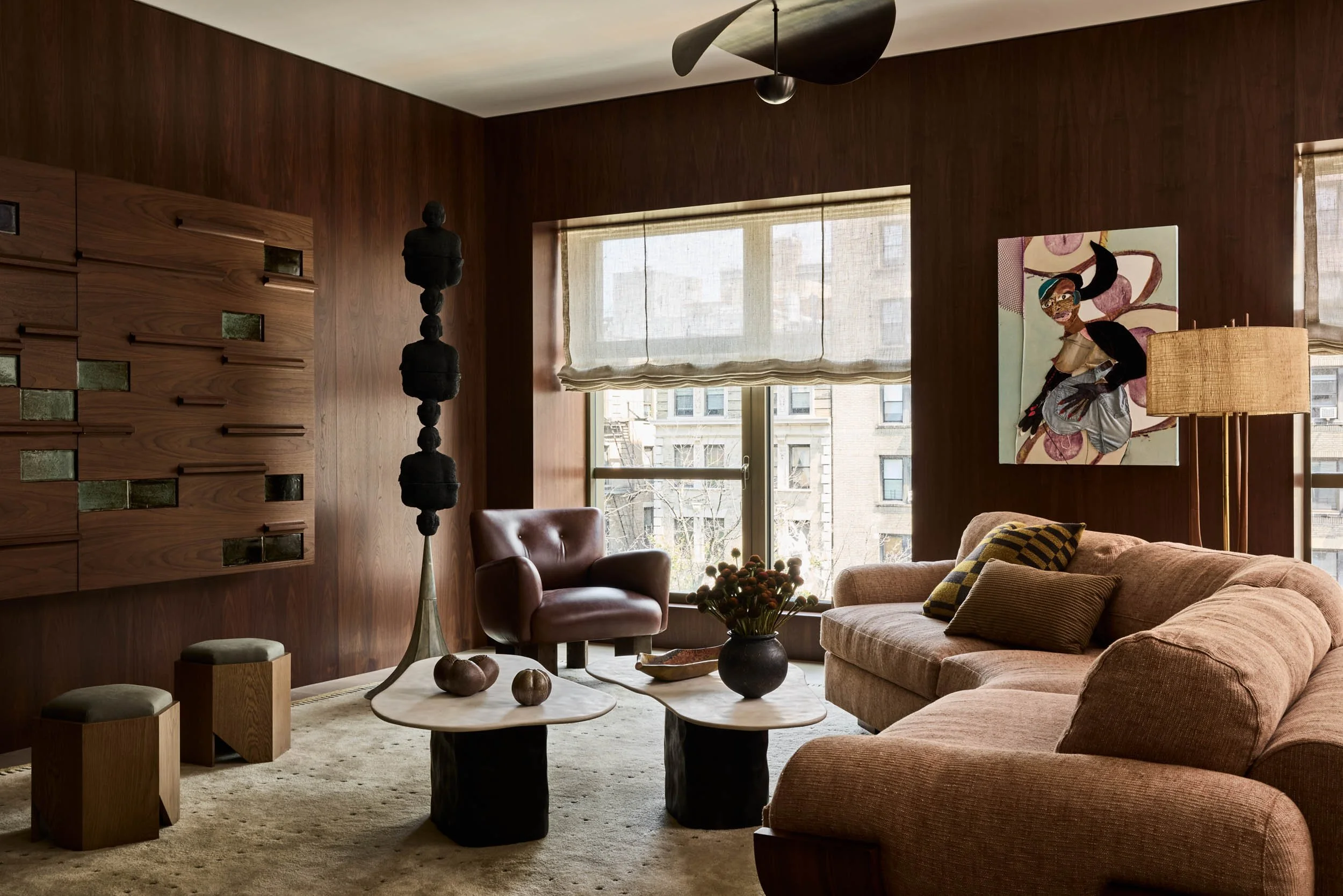
In a 3,000-square-foot Upper West Side apartment, Jessica Gersten Design composes a warm, art-forward retreat where sculptural furniture, nuanced materials and curated light turn daily life into a continuous encounter with contemporary art.
During Mexico Art Week, we spend a lot of time talking about how we look at art: fairs, galleries, museum shows, openings. This project by Jessica Gersten Design, photographed by Nicole Franzen, asks a slightly different question:
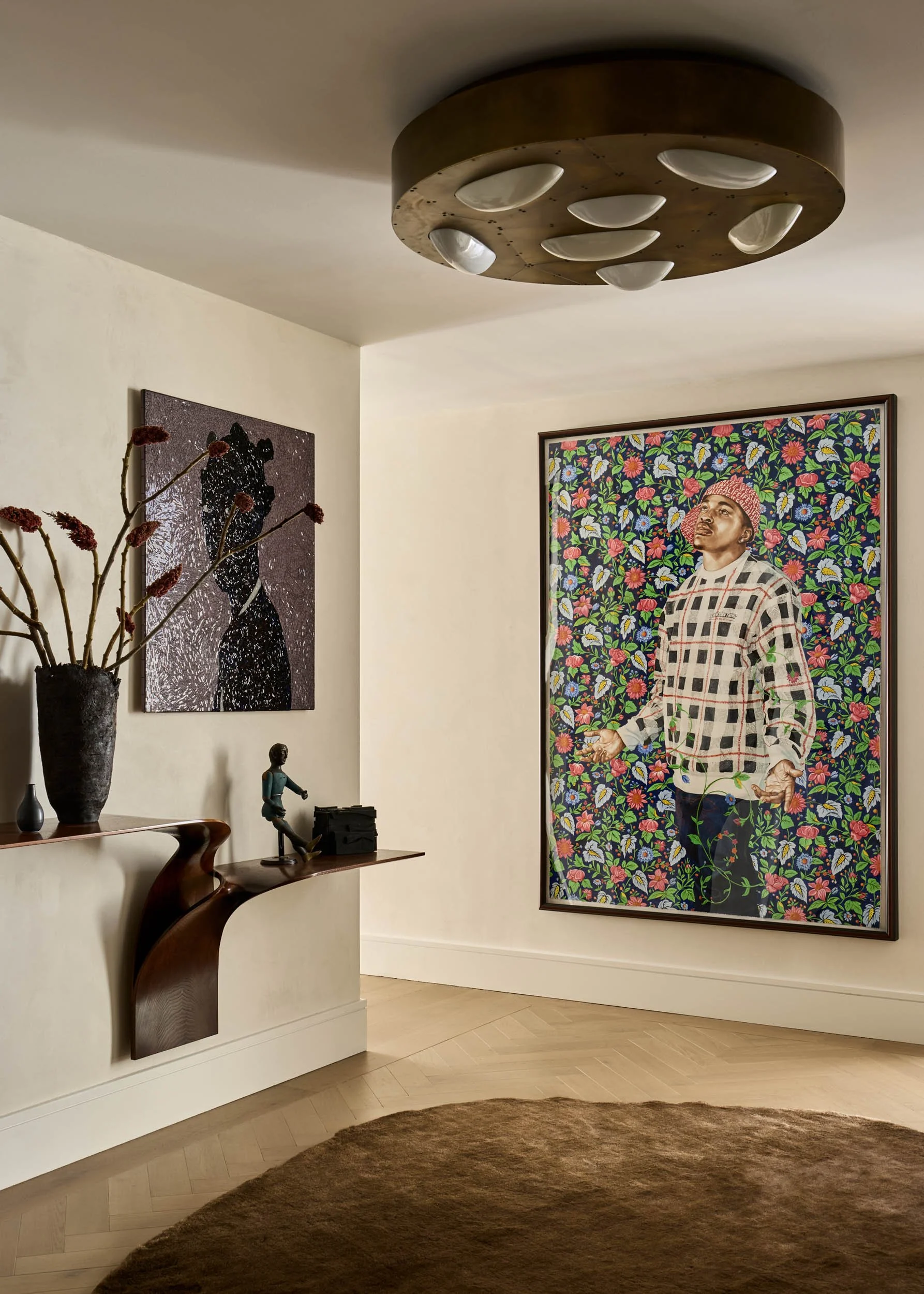
What does it mean to live with art—quietly, every day?
Set high above the streets of New York’s Upper West Side, the 3,000-square-foot apartment belongs to a passionate collector who wanted more than white walls and storage. The brief was to create a home that could both support a serious contemporary collection and feel deeply personal, tactile and calm.
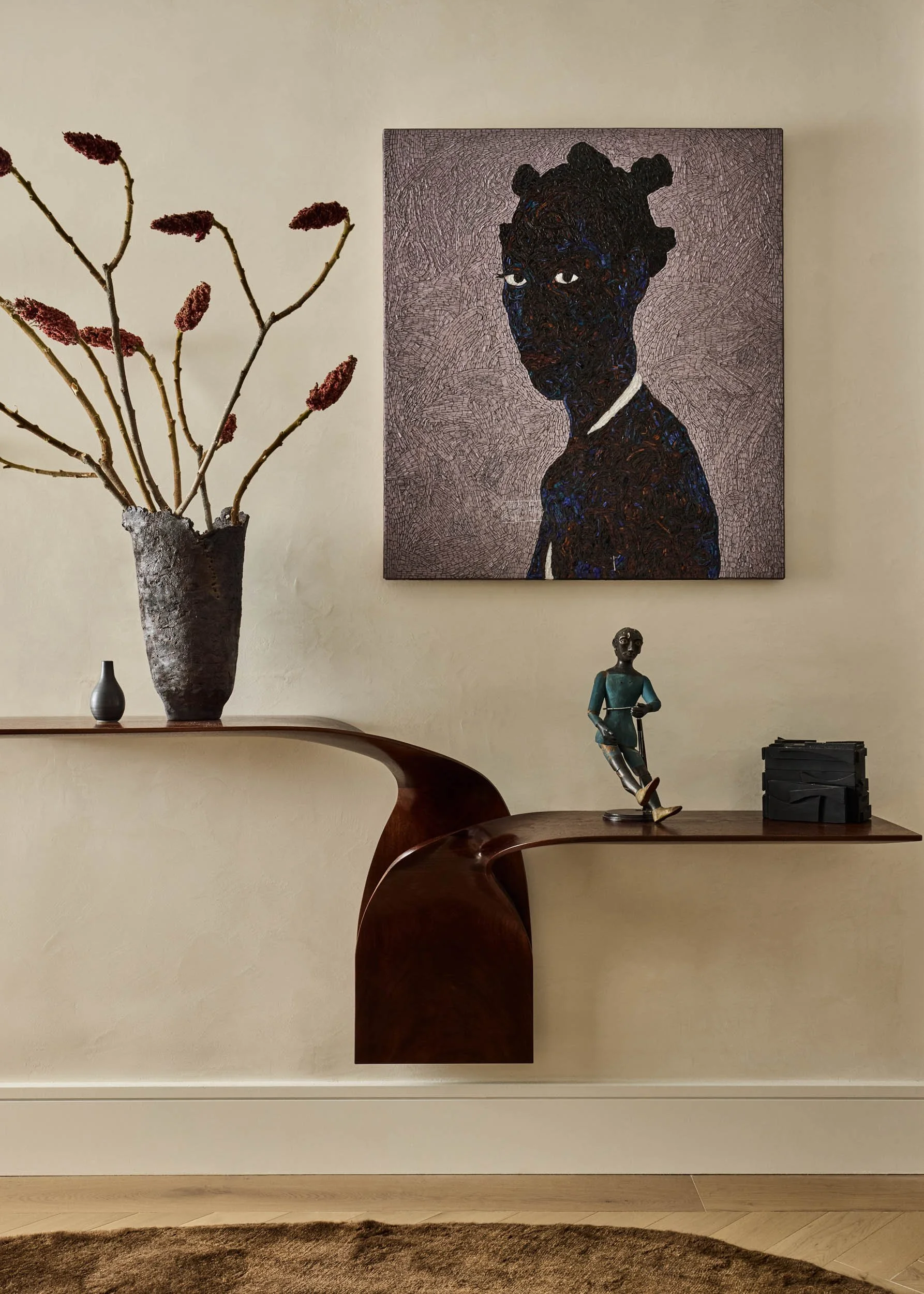
Rather than treating the artwork as an afterthought, the design uses every element—proportion, materials, colour and light—as a way of staging a long-term dialogue between the owner and the pieces they love.
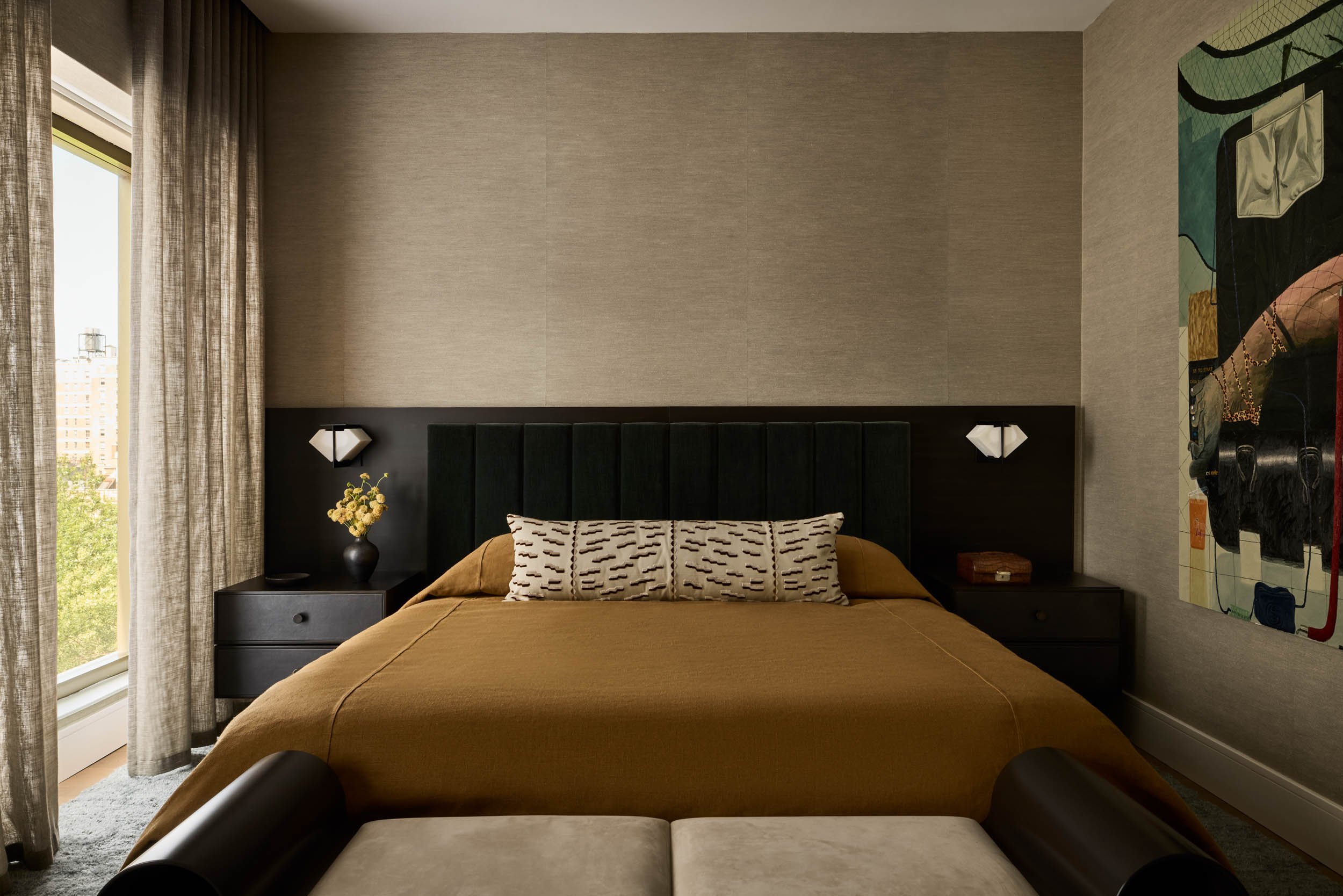
Sculptural rooms, not just rooms with sculpture
The first impression is one of softness and flow. Transitions between spaces are deliberately gentle; thresholds blur instead of divide. Circulation paths widen into pockets where you can pause, turn, and meet a piece at the right distance.
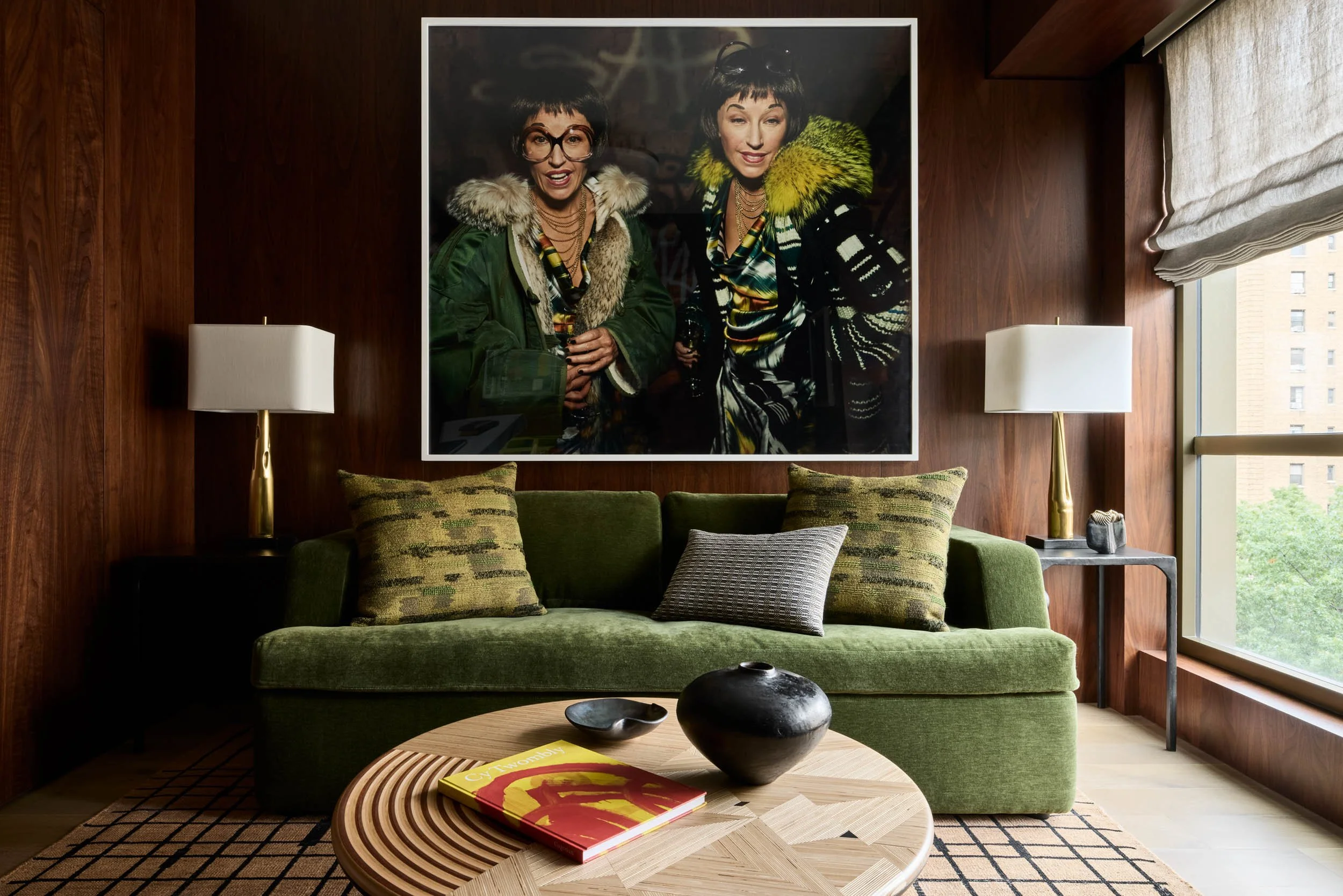
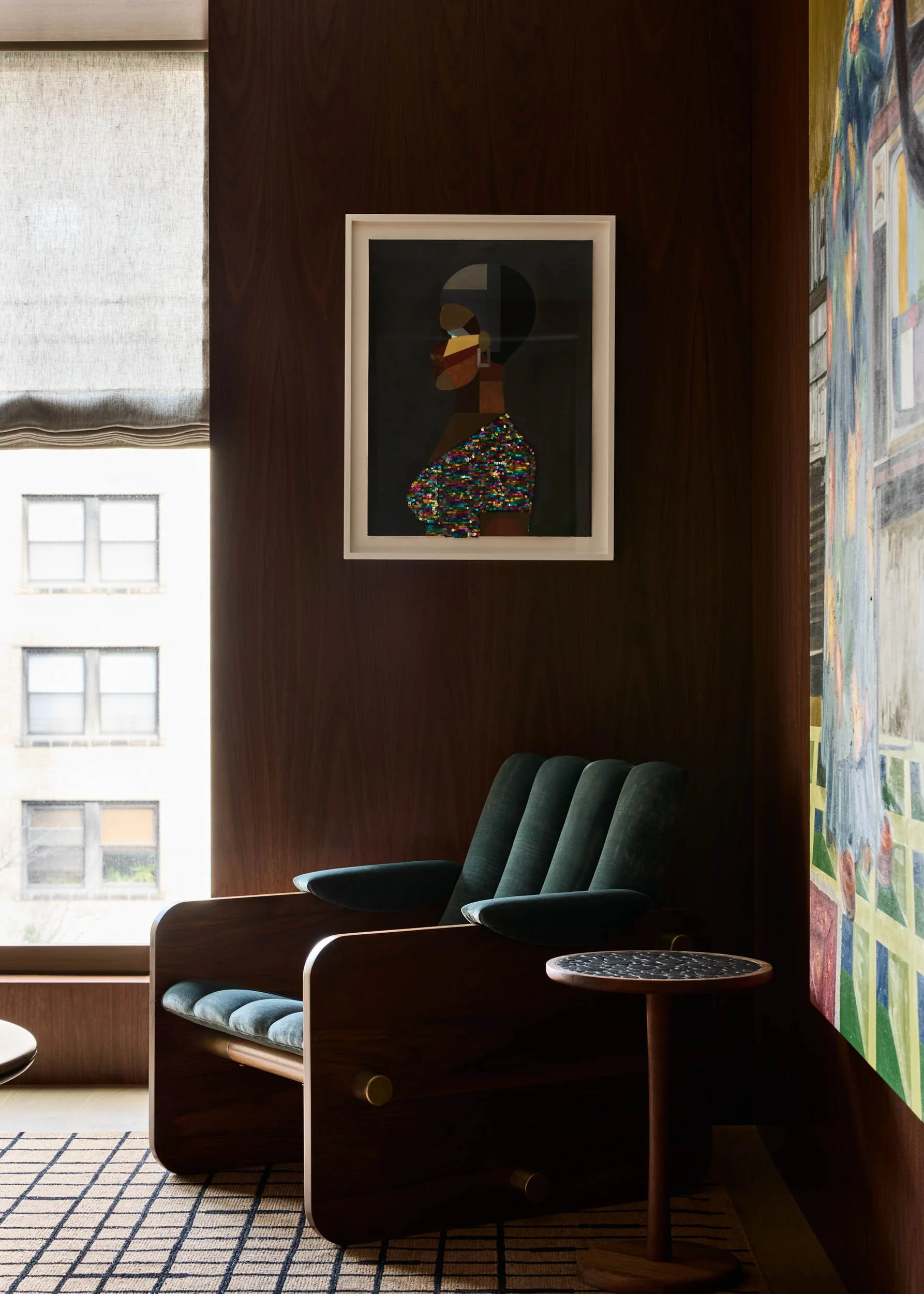
Furniture and lighting behave like sculptural forms in their own right:
low, rounded seating that invites you to sink in and look outward,
tables that read as carved objects rather than anonymous surfaces,
statement lamps that frame works on the wall instead of competing with them.
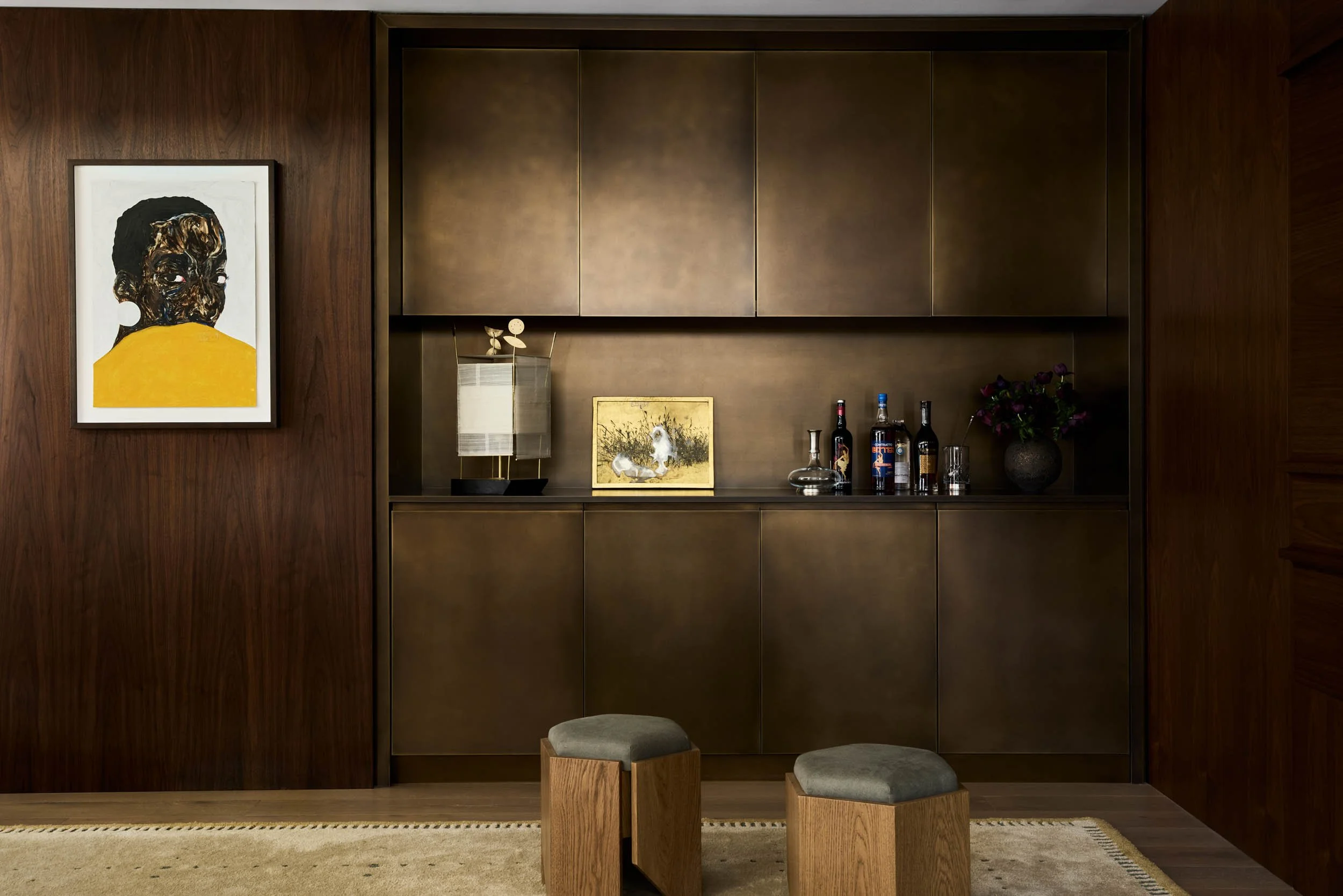
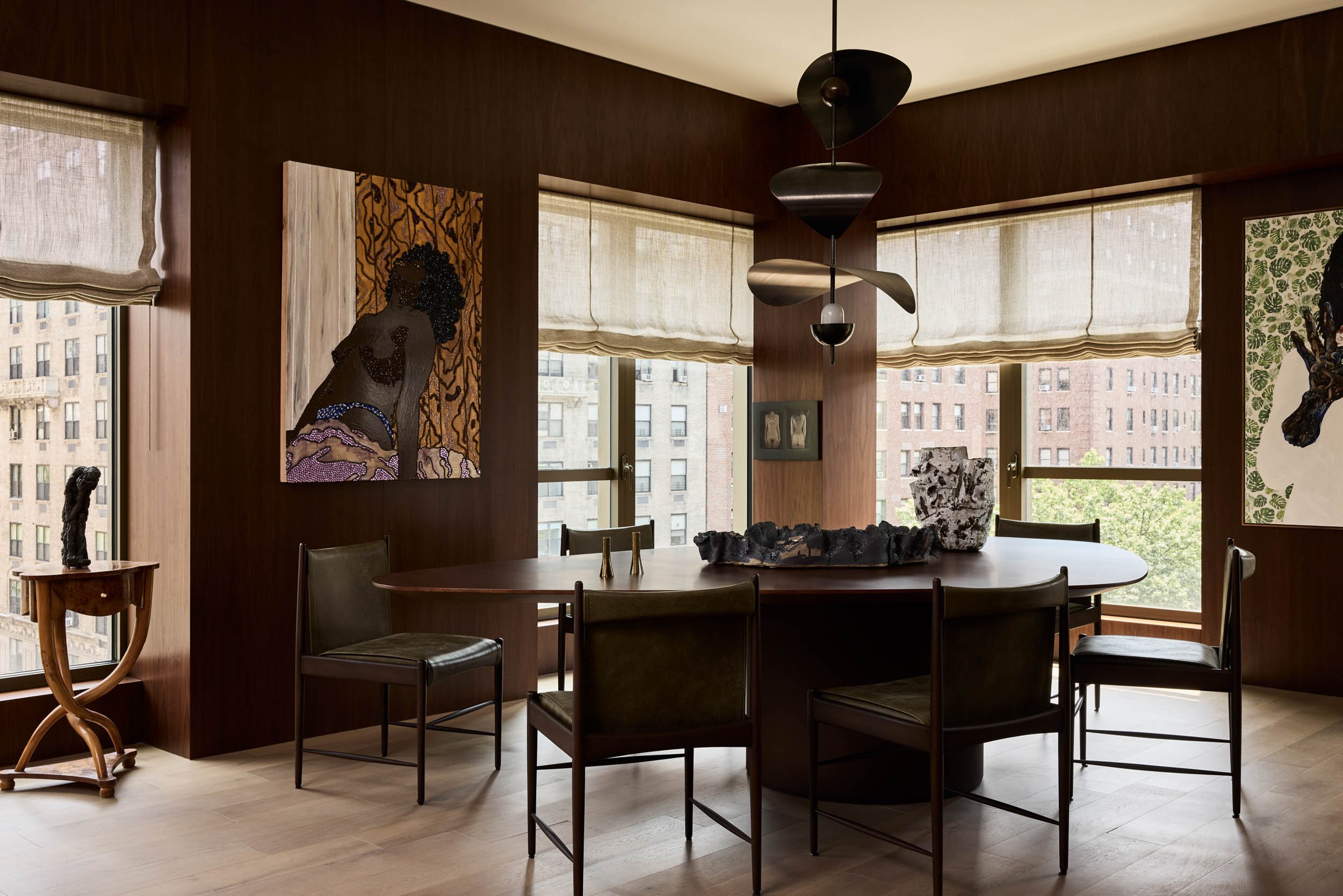
The apartment is not arranged around a single “showpiece” room. Instead, each area is treated as a micro-gallery with its own rhythm—living, dining, corridors and bedroom all become episodes in a continuous, domestic exhibition
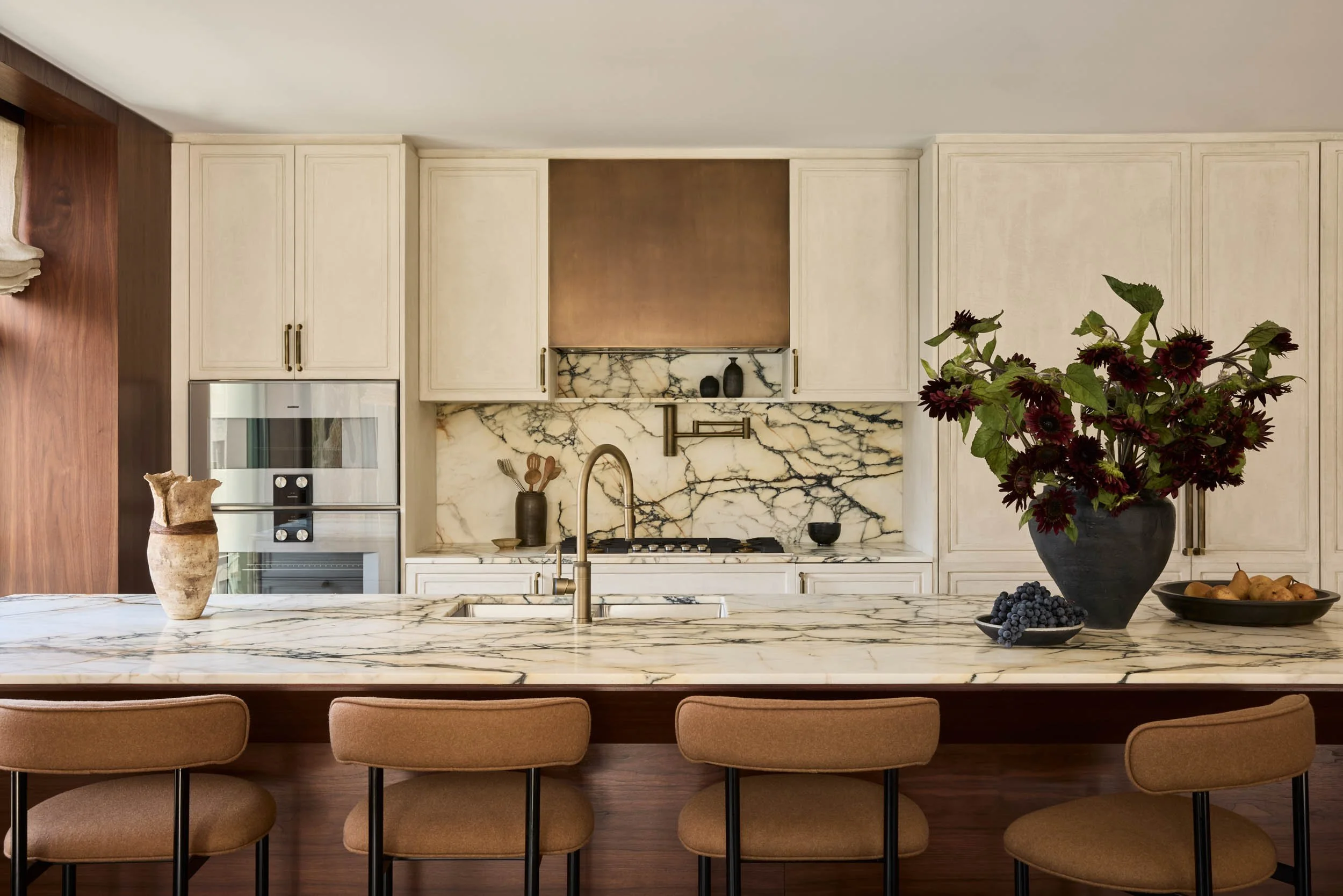
Material as atmosphere
The palette stays deliberately close to nature: subtle tonal shifts instead of bold contrasts, textured neutrals instead of flat whites. Wood, stone, plaster and soft textiles build a sense of calm without ever feeling empty.
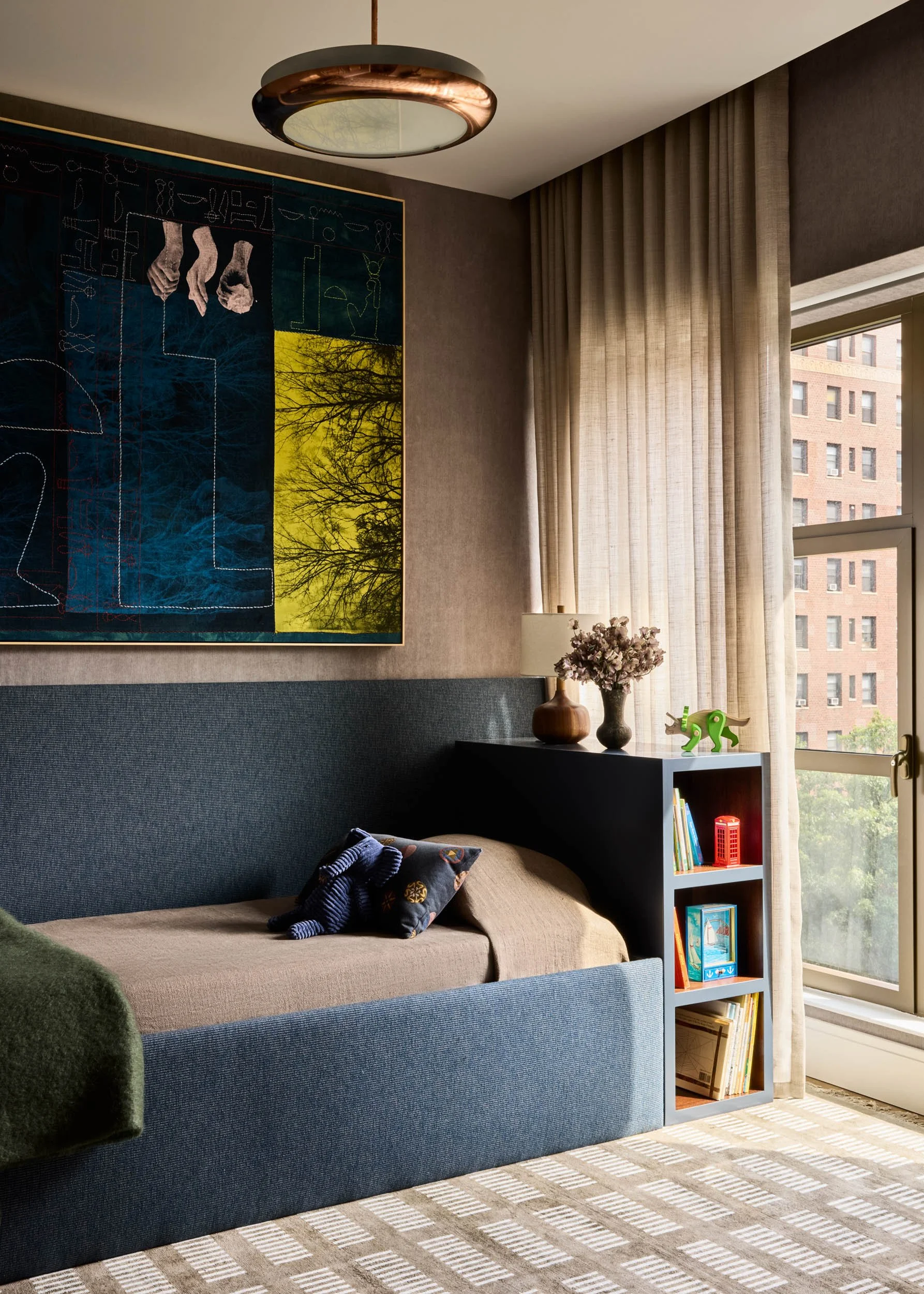
Here, materials don’t just decorate; they modulate how the art is perceived:
Patinated metals catch and diffuse light, echoing the sheen of nearby works.
Polished woods and refined millwork ground the space, giving the eye a place to rest between more expressive pieces.
Layered fabrics and rugs soften acoustics and create a sense of intimacy that encourages longer looking.
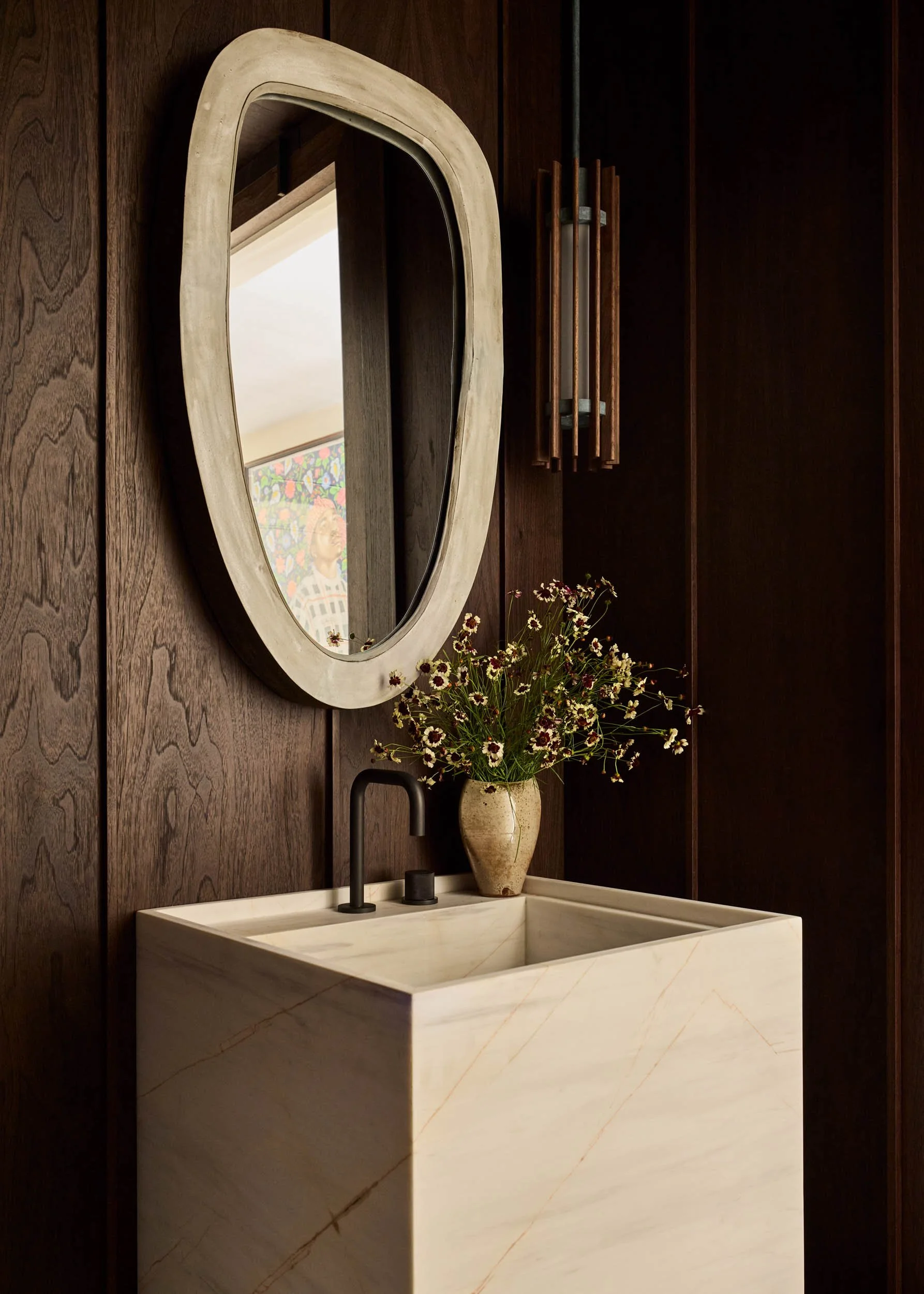
The result is a home where visual richness comes not from accumulation, but from careful composition—a balance of smooth and rough, matte and reflective, light and shadow.
Curated light, curated time
Lighting, often the weakest link in residential projects, is treated here almost like another medium. A mix of concealed sources, accent fixtures and sculptural pendants is tuned to enhance the profile of each artwork while preserving the apartment’s overall warmth.
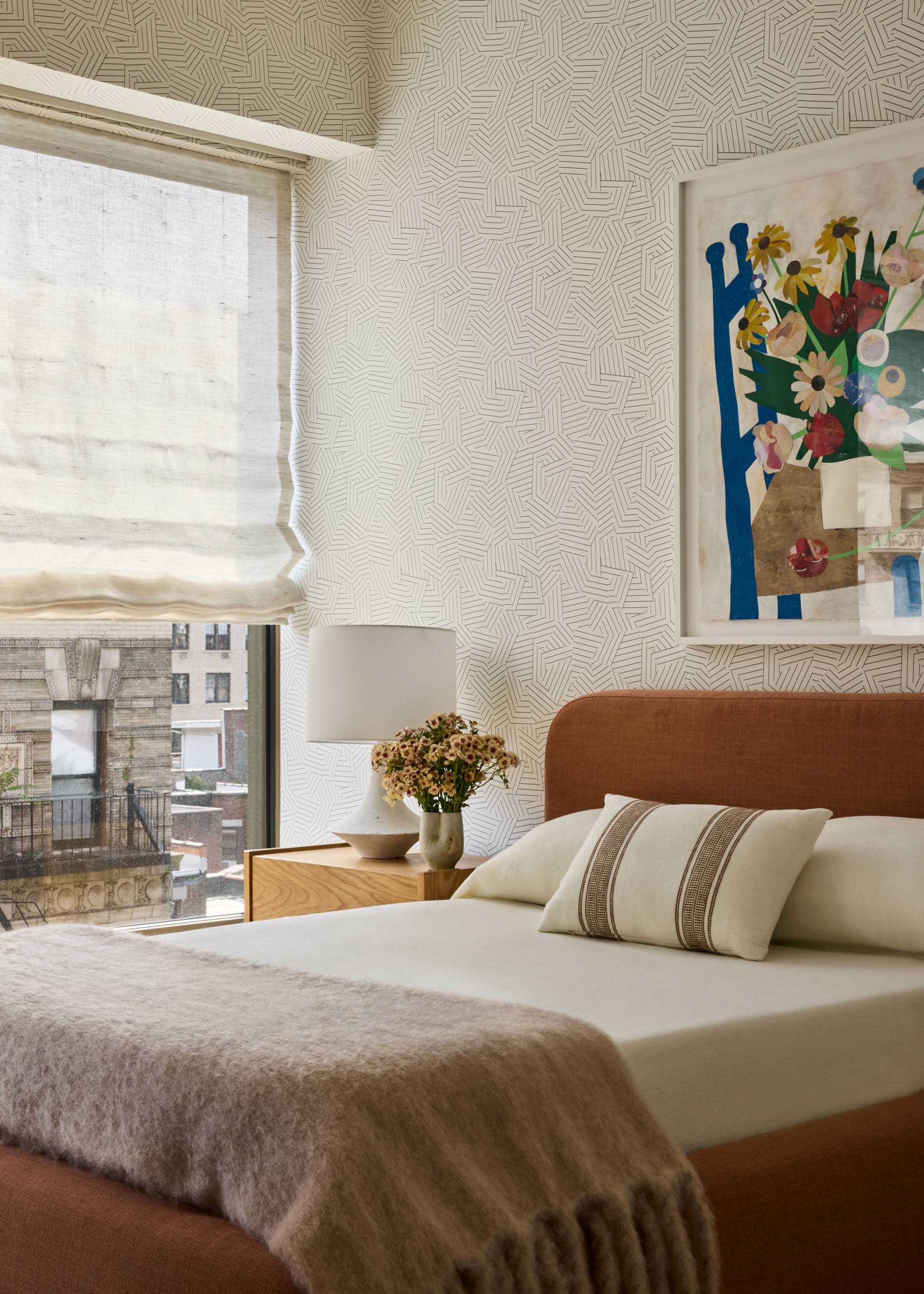
There are no harsh spots or gallery clichés. Instead, the light feels like an extension of the architecture: grazing walls, outlining volumes, picking up the curve of a chair or the edge of a frame. It makes the art legible, but also keeps it embedded in the life of the room—something you pass by, live next to, and occasionally rediscover at a different hour of the day.
A home designed to keep changing
One of the most interesting aspects of the project is its openness to the future. The spaces are conceived to adapt—to new acquisitions, new arrangements, new interpretations.
Walls, nooks and sightlines have been planned so that works can move, series can grow, and temporary groupings can appear without breaking the underlying order. The apartment becomes a kind of living archive, shaped not only by the designer’s decisions but by the collector’s evolving relationship with their pieces.
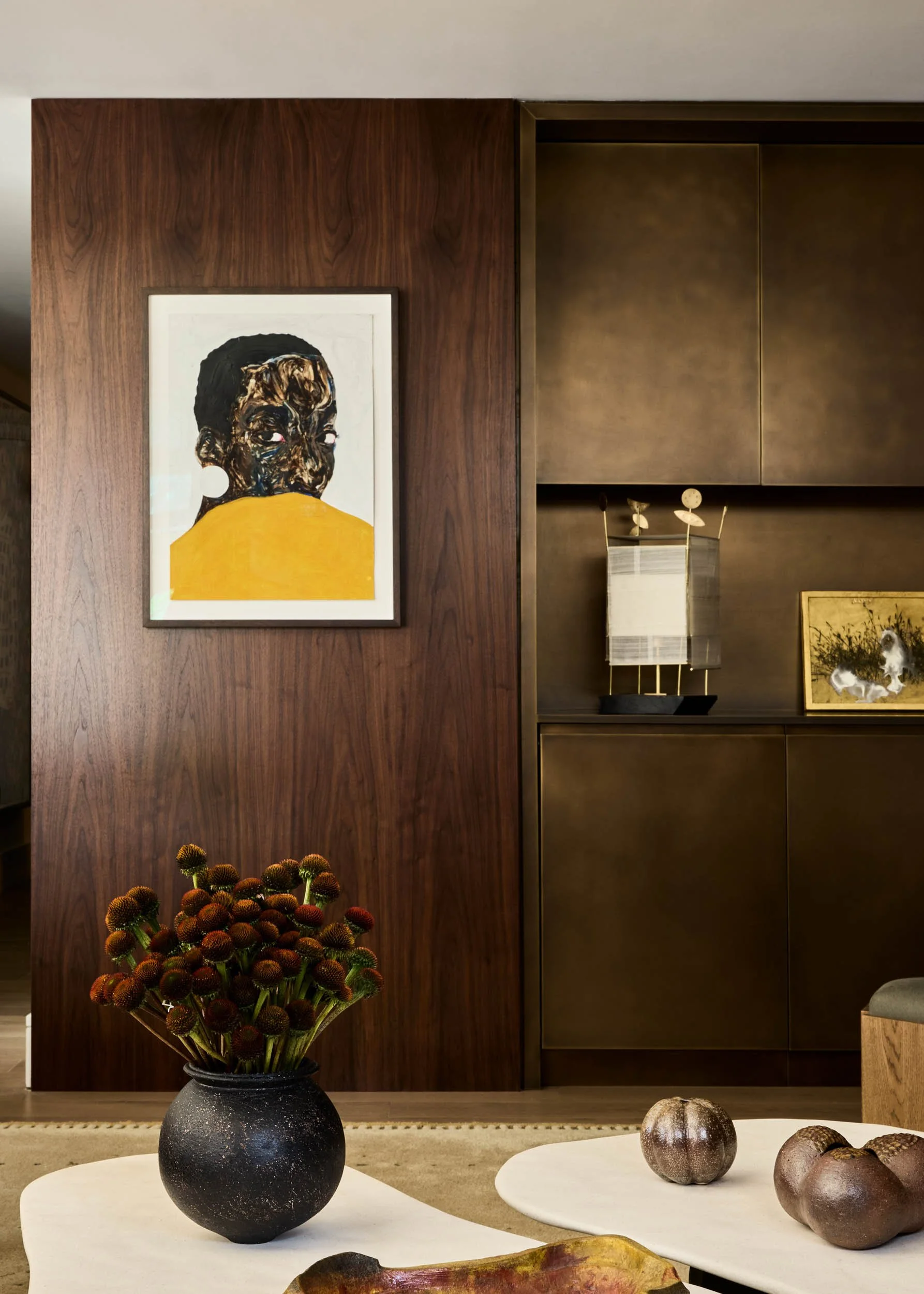
In that sense, the project resonates strongly with what we look for during Mexico Art Week: not just objects to be seen, but environments that can sustain a long-term conversation between art, architecture and everyday life.
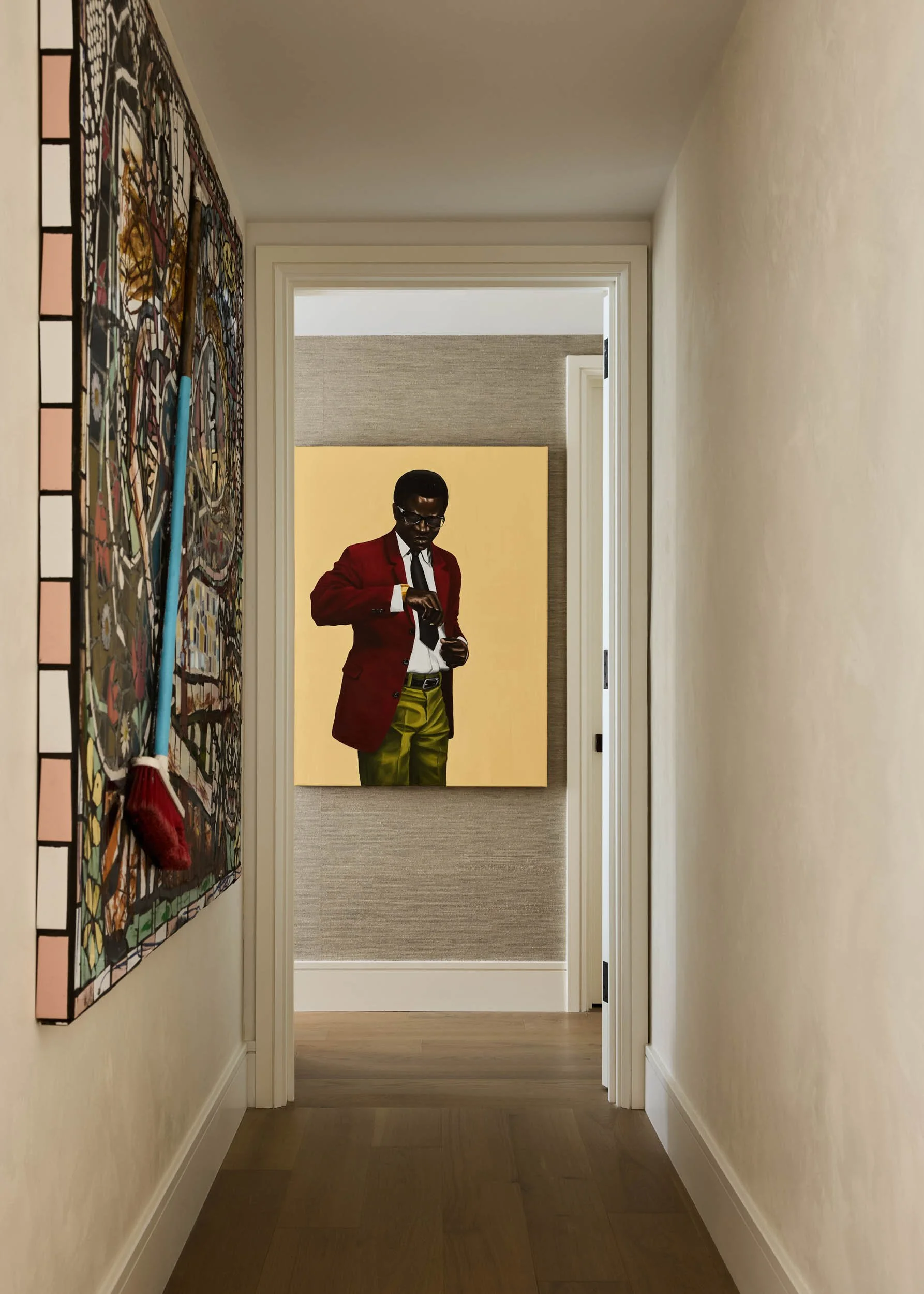
Why it matters in the context of Mexico Art Week
For THECORE, this Upper West Side residence is a reminder that the real story begins after the fair. Once the crates are unpacked and the works leave the white cube, they enter homes, apartments and studios that either support them—or slowly neutralize them.
Here, Jessica Gersten Design offers a compelling model: a home that is serene yet visually alive, composed yet flexible; a place where collecting is not a status symbol but a way of structuring space, memory and daily routines.
As we walk through Mexico City’s galleries and booths, this is the question we bring with us:
How will the pieces we see today live tomorrow—what kinds of rooms will allow them to breathe, age and keep speaking?
This apartment is one thoughtful answer.
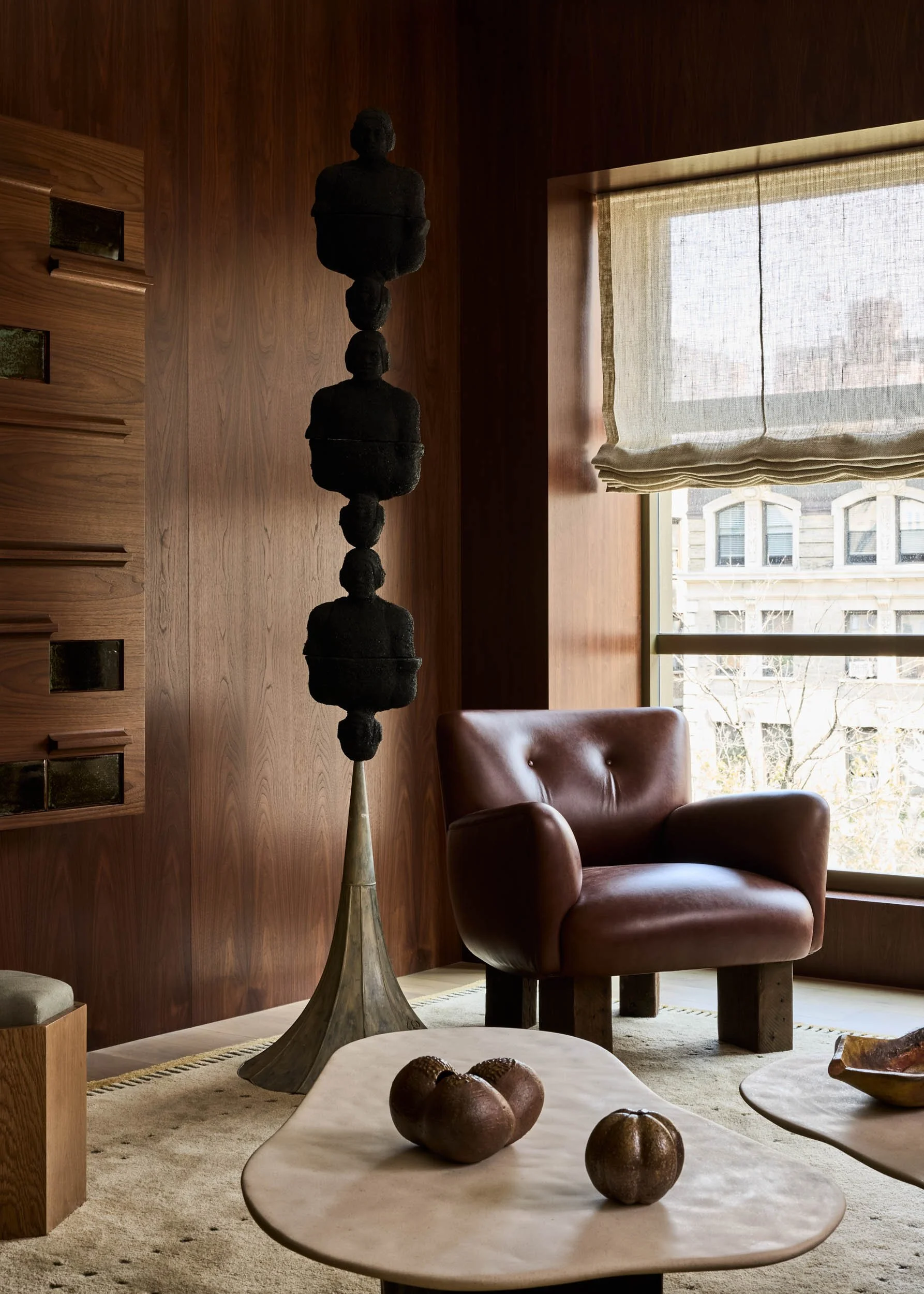
Credits
Interior Design: Jessica Gersten Design
Photography: Nicole Franzen