Drafting Futures: The Conversations Expanding Salone del Mobile.Milano
As part of Salone del Mobile.Milano’s cultural programme, Drafting Futures. Conversations about Next Perspectives turns the fair into a platform for critical thought, bringing together architecture, design, research and performance to explore how we might live, build and create next.
In the weeks leading up to Salone del Mobile.Milano 2026, much of the attention naturally turns to products, launches and installations. Yet one of the most compelling parts of the fair often happens in a different register: conversation.
With Drafting Futures. Conversations about Next Perspectives, Salone once again expands its role beyond exhibition, opening a space where design becomes a critical tool for reading contemporary change. Curated by Annalisa Rosso, Editorial & Cultural Director and Advisor of Salone del Mobile, the programme gathers voices from architecture, design and research in a setting conceived not simply for discussion, but for the production of thought.
Held inside the Drafting Futures Arena designed by Formafantasma, the series frames design as something larger than objects or interiors. Here, disciplines do not merely sit beside one another; they intersect, challenge each other and open new directions.
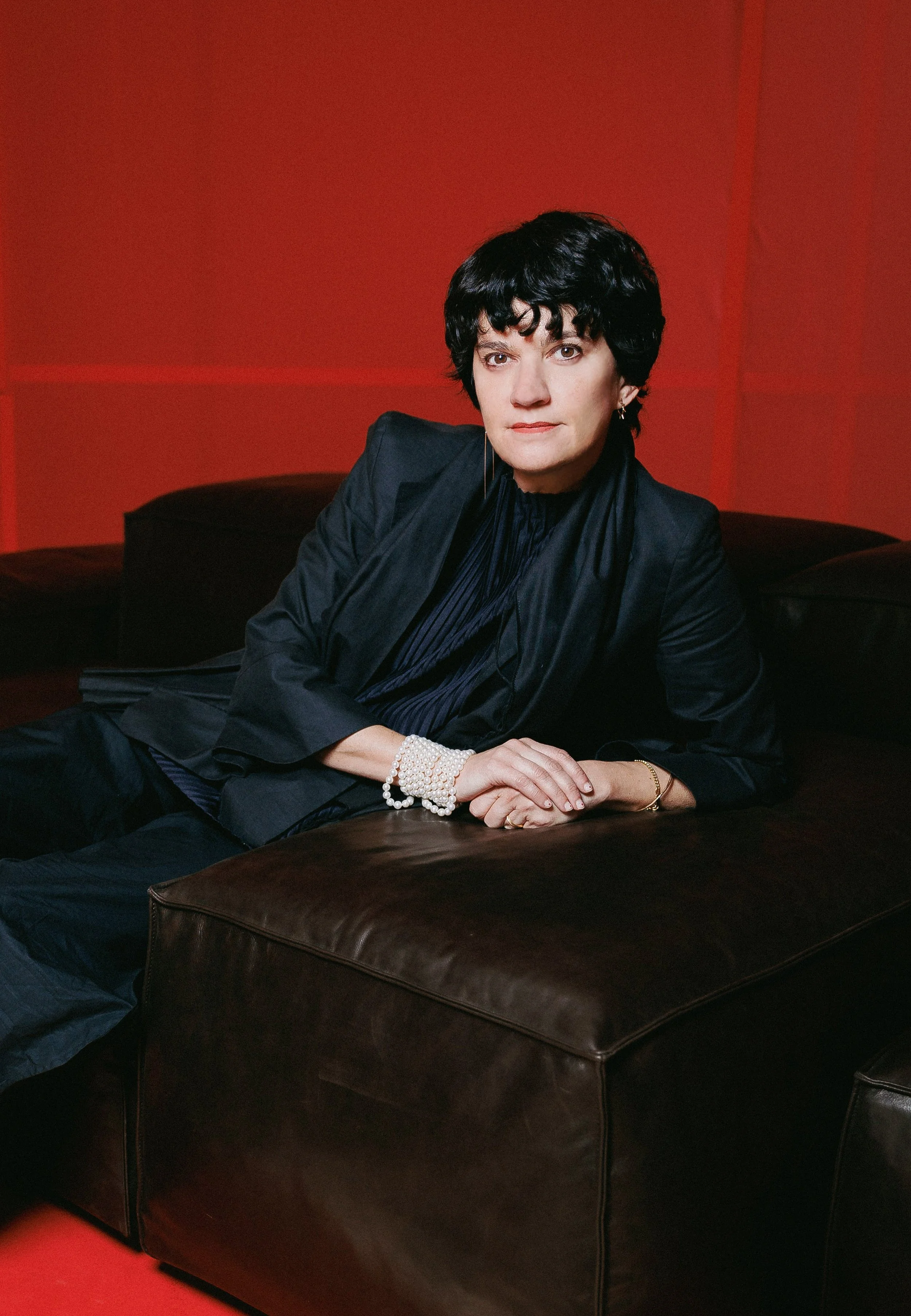
Annalisa Rosso Salone del MobileMilano 2026
Design as response, not spectacle
The programme opens on 23 April with a masterclass by Tosin Oshinowo, principal architect of Oshinowo Studio, in conversation with Amanda Ferber, founder of Architecture Hunter. Oshinowo’s perspective is especially relevant at a moment when global design culture is being forced to reconsider abundance, extraction and the assumptions of universal models.
Drawing from her work in contexts where resources are limited, Oshinowo proposes another way of thinking: one rooted in climate, culture and the actual conditions of place. Her position reframes architecture not as a gesture of excess, but as a practice of attention — one shaped by what is available, necessary and meaningful.

Formafantasma Salone del MobileMilano 2026 ©GregorioGonella
That same day, a round table curated by Intesa Sanpaolo shifts the discussion toward the economic infrastructure of design. Under the title Italian Furniture and Design: The Role of Finance in Maintaining the Excellence of the Sector at Global Level, the conversation examines how financial tools and industrial systems can sustain Italy’s international competitiveness while supporting innovation. It is a reminder that design culture is not built only in studios, but also through the structures that allow it to endure.
Later, Two Speeds of Design. Between Scale and Singularity, moderated by Maria Cristina Didero, extends the field toward the relationship between industrial production and singular, research-driven design — a tension increasingly central to the global market.
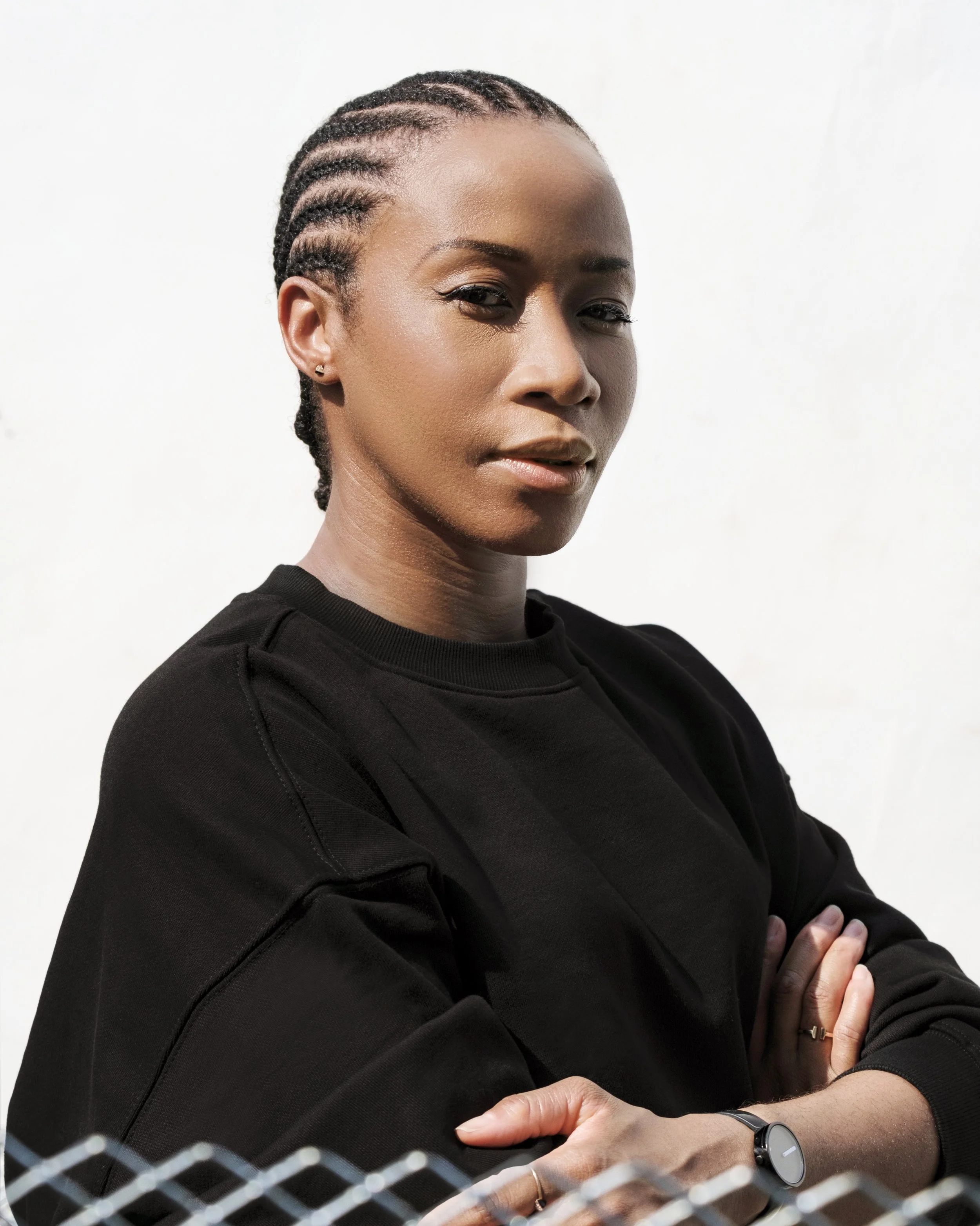
Tosin Oshinowo ©Stephen Tayo
Vernacular knowledge and alternative futures
On 24 April, the focus shifts toward community, territory and material intelligence through a masterclass with David Barragán, co-founder of Al Borde, in conversation with Marcela Fibbiani. Through projects developed in Ecuador and beyond, Barragán explores an architectural approach rooted in local knowledge, traditional building practices and materials such as earth, bamboo and wood.
This is not a nostalgic return to vernacular forms, but an argument for architecture as collective process — one capable of generating identity and responding to environmental conditions through models other than dominant global formulas.
The same day, the round table Raritas. Bringing Craft, Special Editions and Antiques to Salone del Mobile extends the conversation into the realm of collectible design. Moderated by TF Chan, the discussion highlights how craft, limited editions and historical objects are increasingly reshaping the ways design is produced, circulated and collected. In the context of Salone’s broader evolution, this feels particularly timely: the boundaries between collectible design, research, art and market continue to blur, and with them, new definitions of value emerge.

Maria Porro ©Guido Stazzoni
Home as narrative, home as feeling
On 25 April, the programme opens to another format altogether: performance. With Home – Place – Feeling, Italian author and storyteller Matteo Caccia explores the evolution of living as both intimate experience and shared condition.
Curated by Rivista Studio, the performance reflects on domestic space not as a fixed typology, but as a place in constant transformation — adapting to social and cultural change while retaining deep symbolic force. In a design fair environment, this kind of narrative intervention matters. It reminds us that housing, interiors and objects are never only technical or commercial questions; they are emotional and cultural ones too.
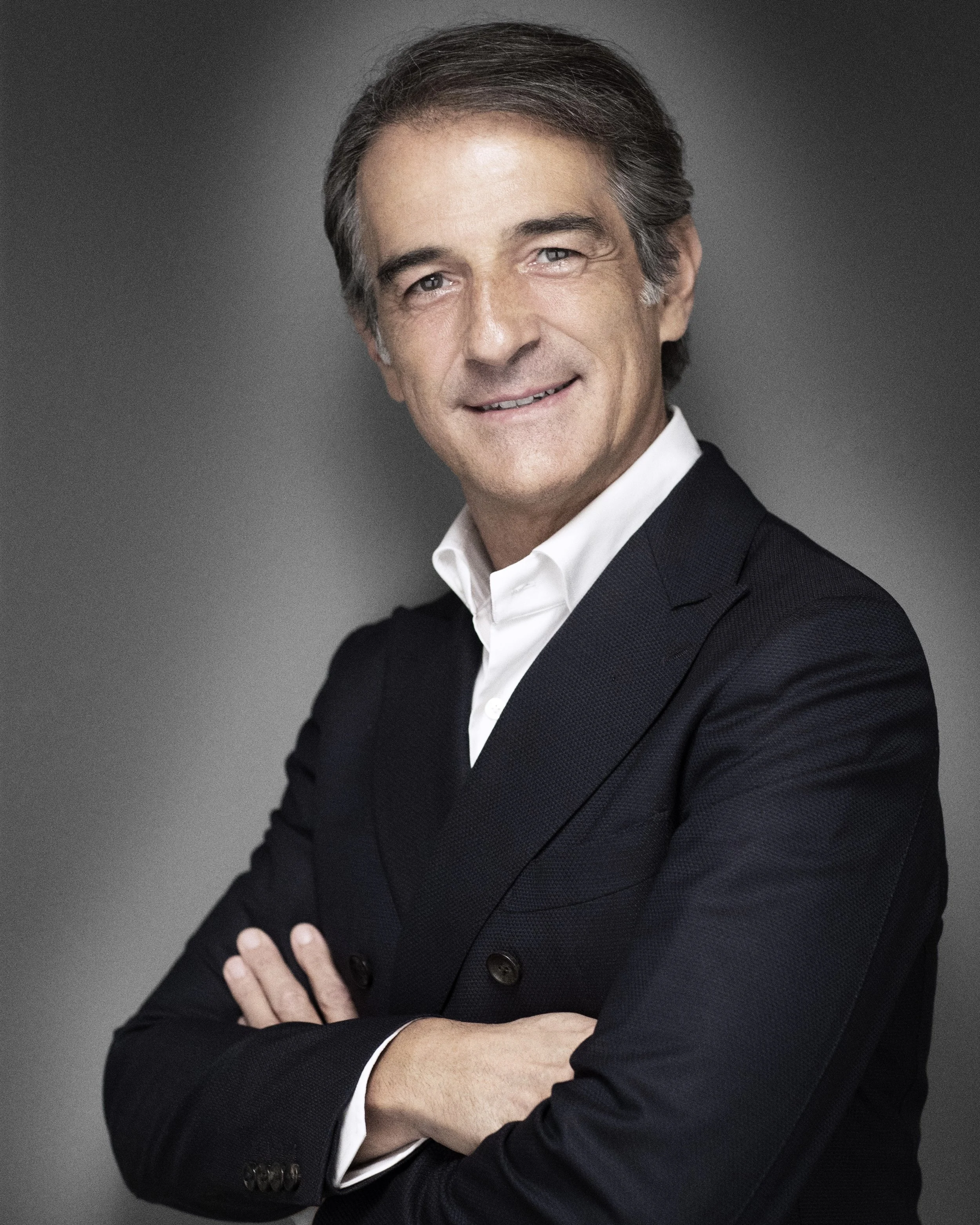
Claudio Feltrin Salone del MobileMilano 2026 ©FederlegnoArredo
A fair that thinks
What makes Drafting Futures important is not just the quality of its speakers, but the way it broadens the meaning of Salone itself. It positions the fair not only as a marketplace or a showcase, but as a place where ideas are tested, contested and expanded.
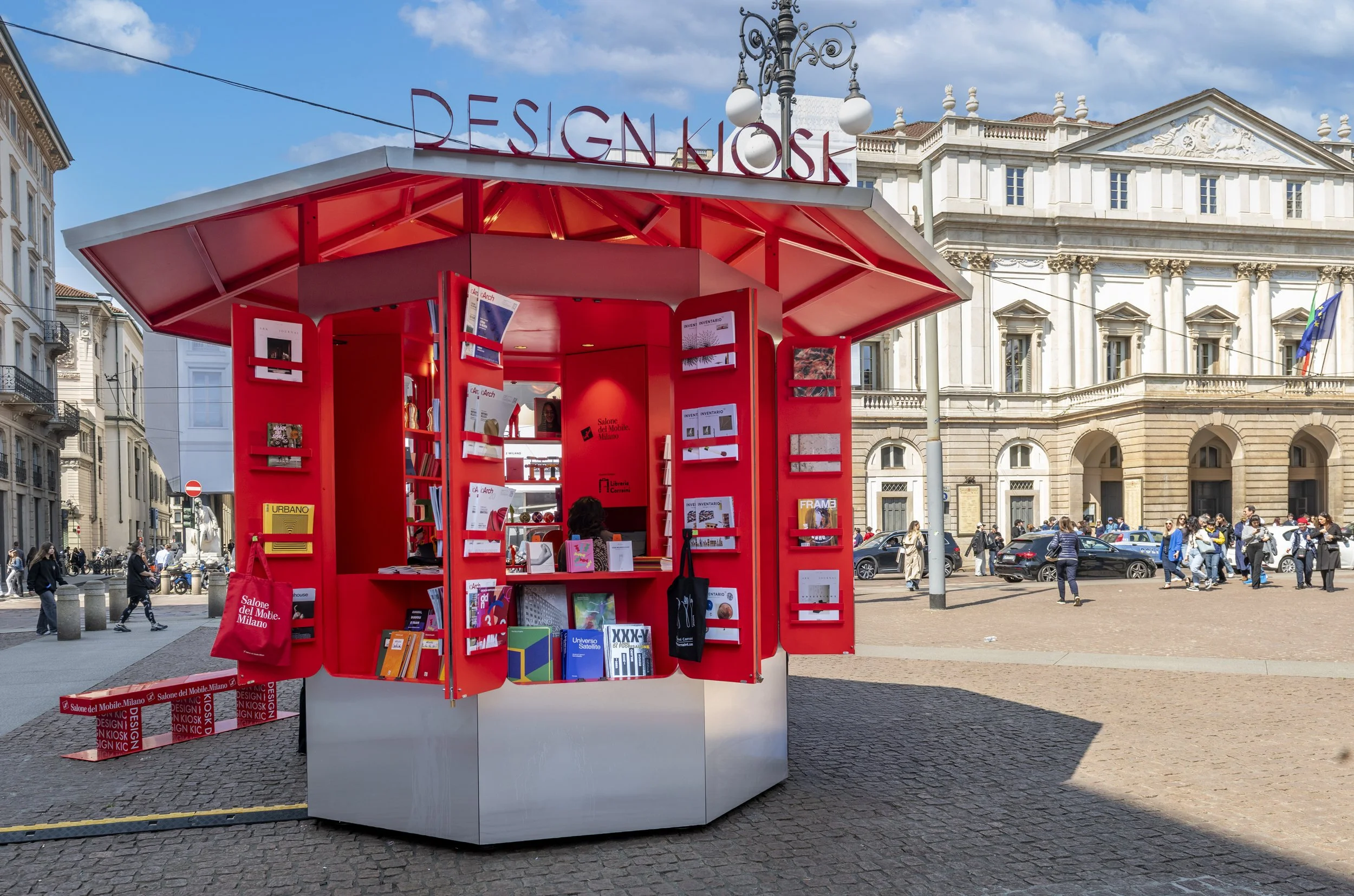
Design Kiosk Piazza della Scala Salone del Mobile 2025 Alessandro Russotti
For THECORE, this programme reflects one of the most interesting shifts in contemporary design culture: the growing recognition that design must be discussed not only through launches and aesthetics, but through systems, territories, markets, rituals and ways of living.
In that sense, Drafting Futures is not a side programme. It is part of the intellectual architecture of the fair — a reminder that before design becomes product, it is first a way of reading the world.