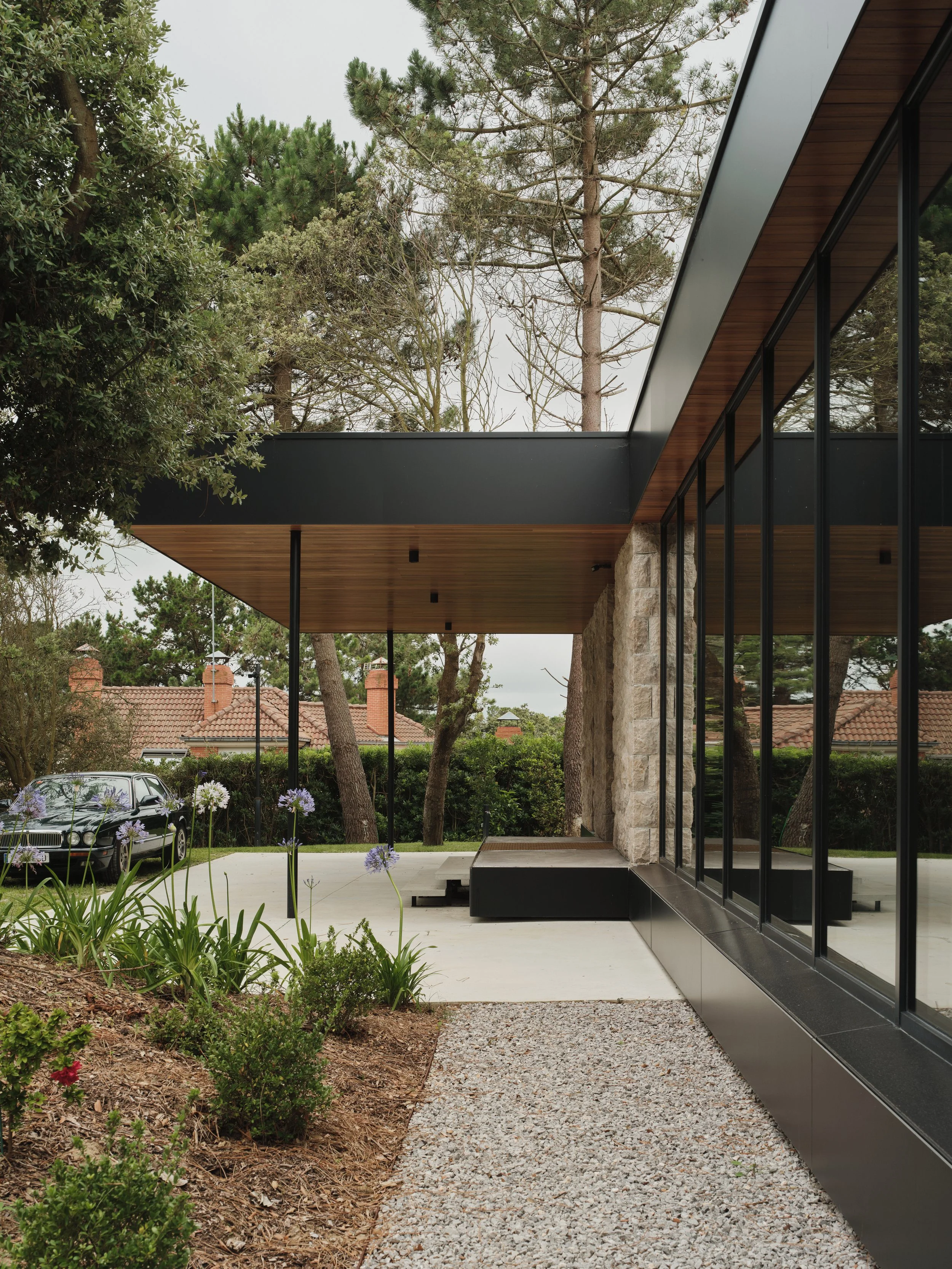
Sea and Stone: Vernacular Architecture in a Contemporary Key
In Loredo, Spain, ZOOCO ESTUDIO reinterprets Cantabrian vernacular architecture through limestone, wood and concrete, shaping a coastal home where sustainability is expressed through material honesty, climate response and respect for place.
On the Cantabrian coast, where architecture must negotiate wind, rain and the enduring presence of the sea, permanence is never only aesthetic. It is cultural, material and environmental.
With Casa Loredo NAVC01, ZOOCO ESTUDIO proposes a compelling answer to that condition: a house that does not imitate the vernacular, but reinterprets it with enough clarity and restraint to make tradition feel present again. Located in Loredo, Cantabria, the residence is part of the studio’s ongoing series New Vernacular Architecture of the Cantabrian Coast, a body of work that seeks to demonstrate that architecture can still balance modern life with historical continuity, regional identity and environmental respect.
What makes the project especially resonant for The Wave of Sustainable Design is its refusal of superficial sustainability. Here, responsibility is not expressed through visible technical rhetoric, but through a deeper alignment between context, climate, materiality and form. The house is conceived as a grand lookout toward the Cantabrian Sea, opening itself to the landscape while carefully negotiating the coastal exposure that defines it. Expansive glazed surfaces establish visual continuity with the bay and the city of Santander beyond, yet the architecture never gives itself over entirely to transparency. It remains grounded, protected and measured.
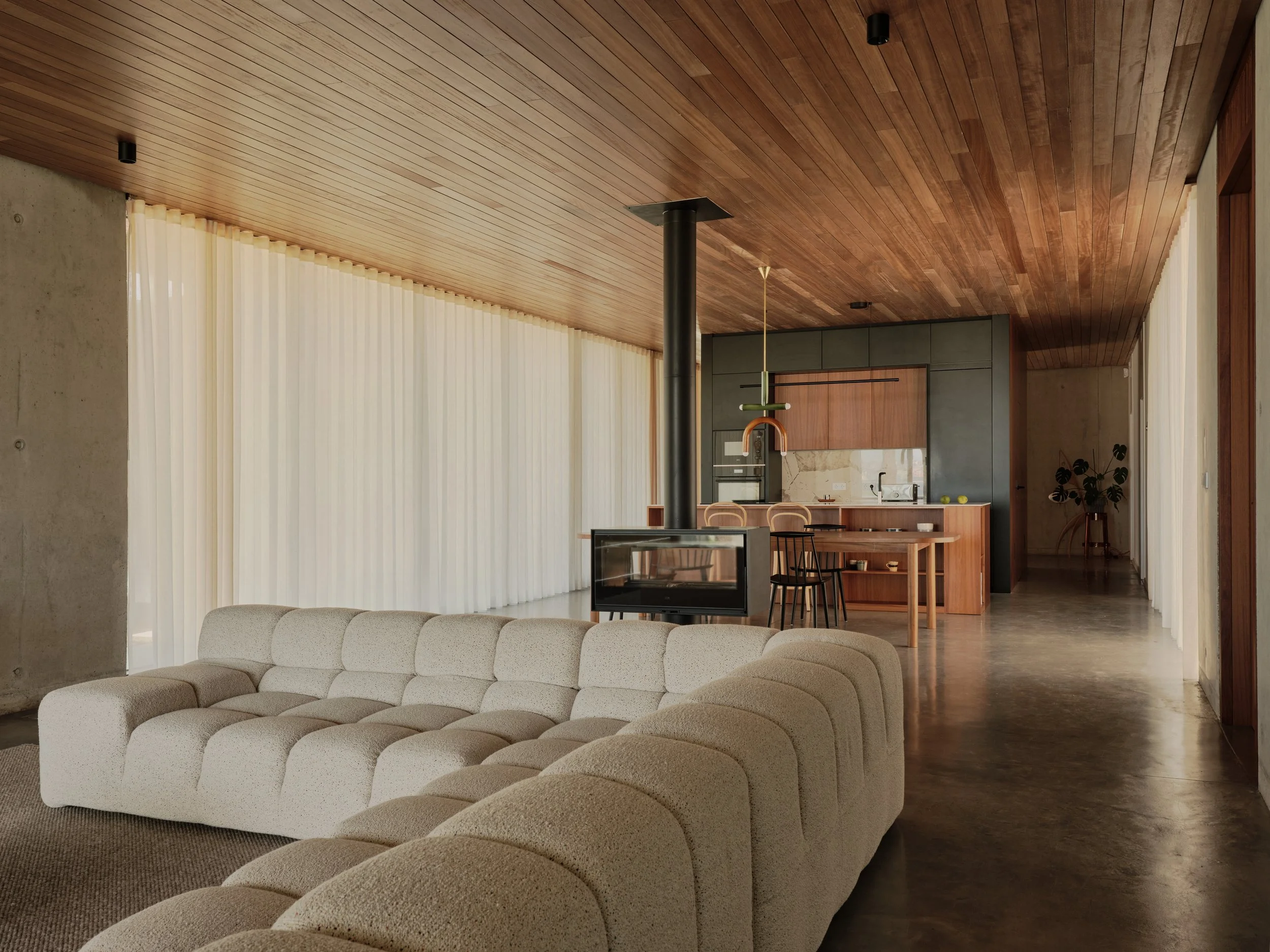
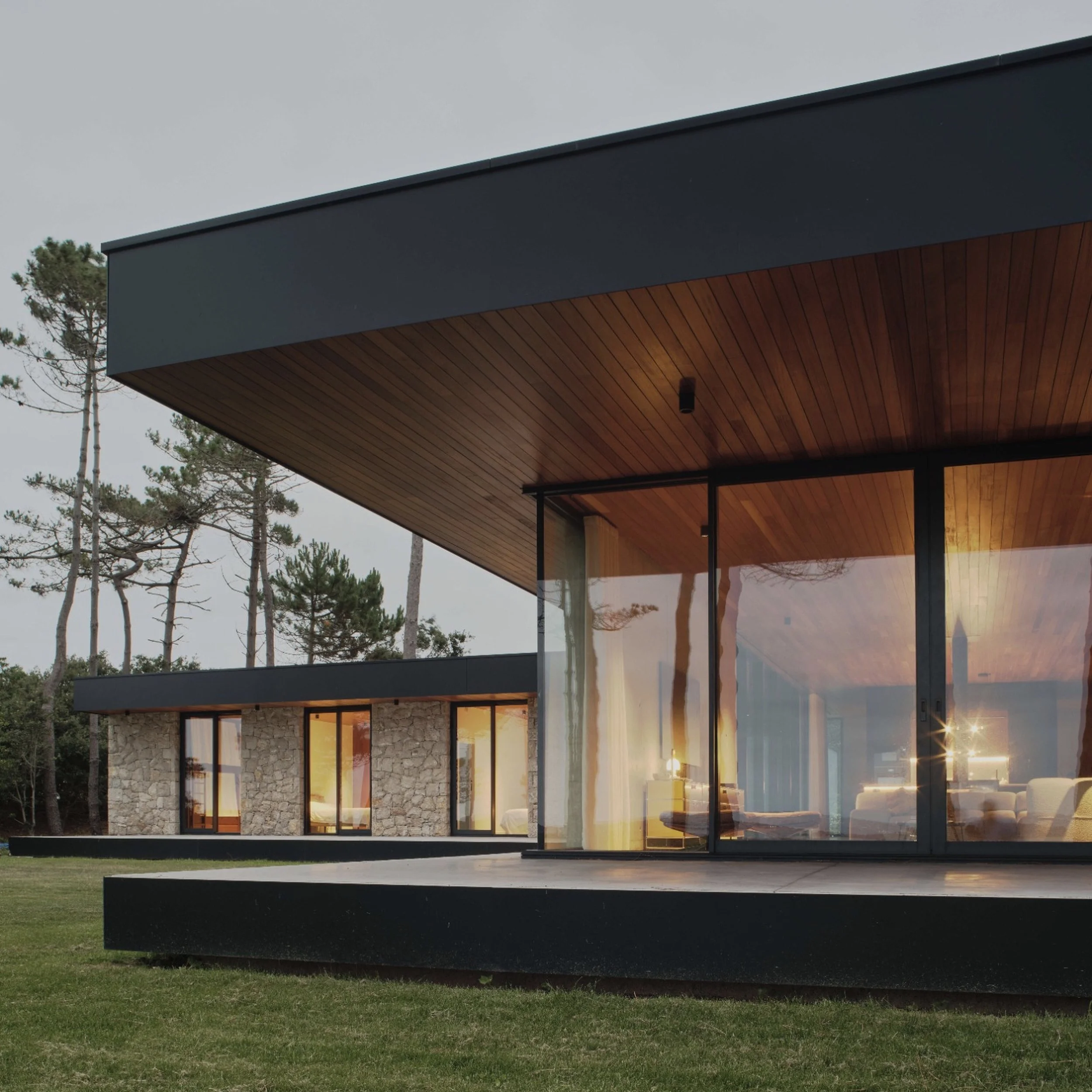
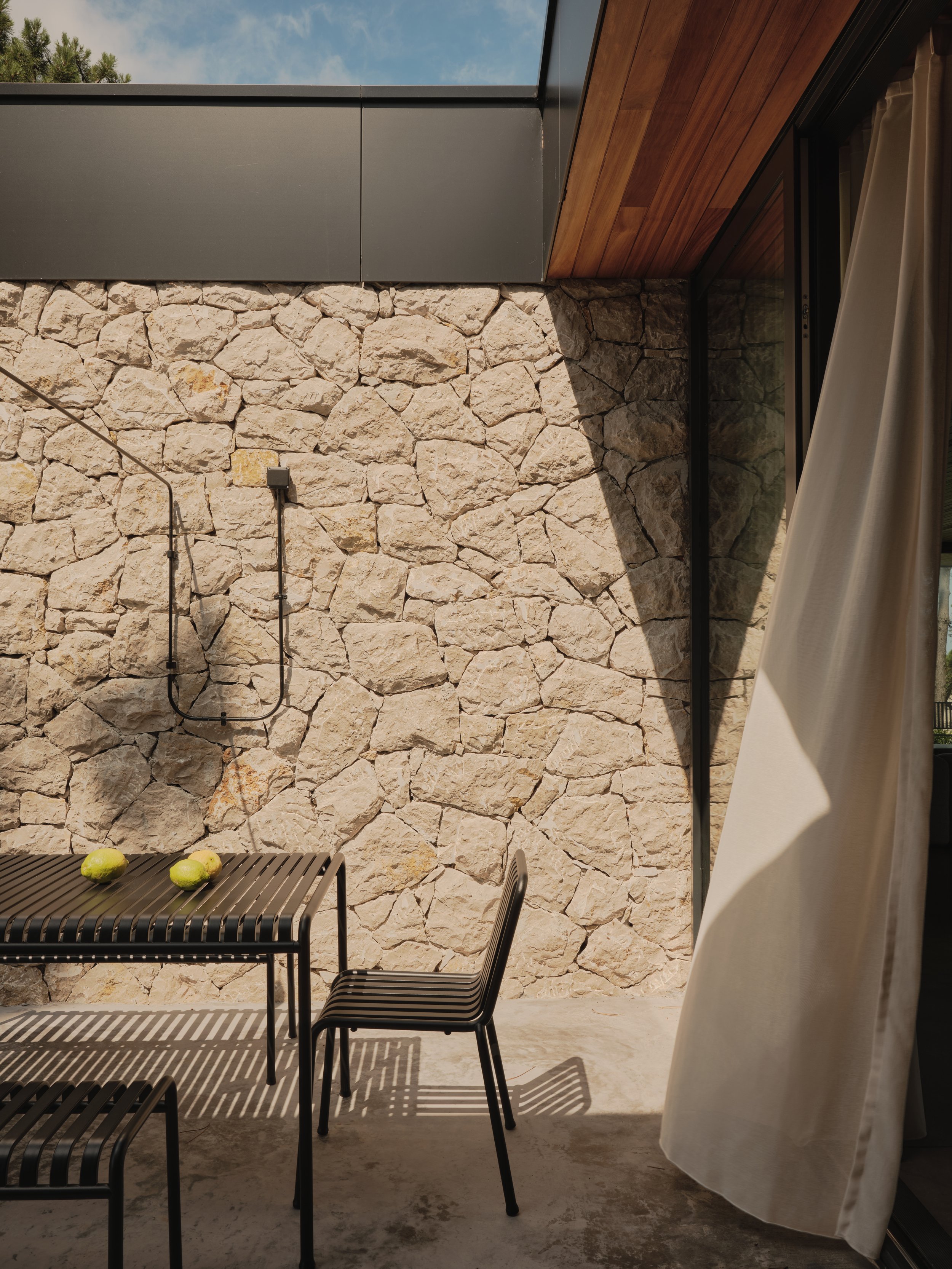
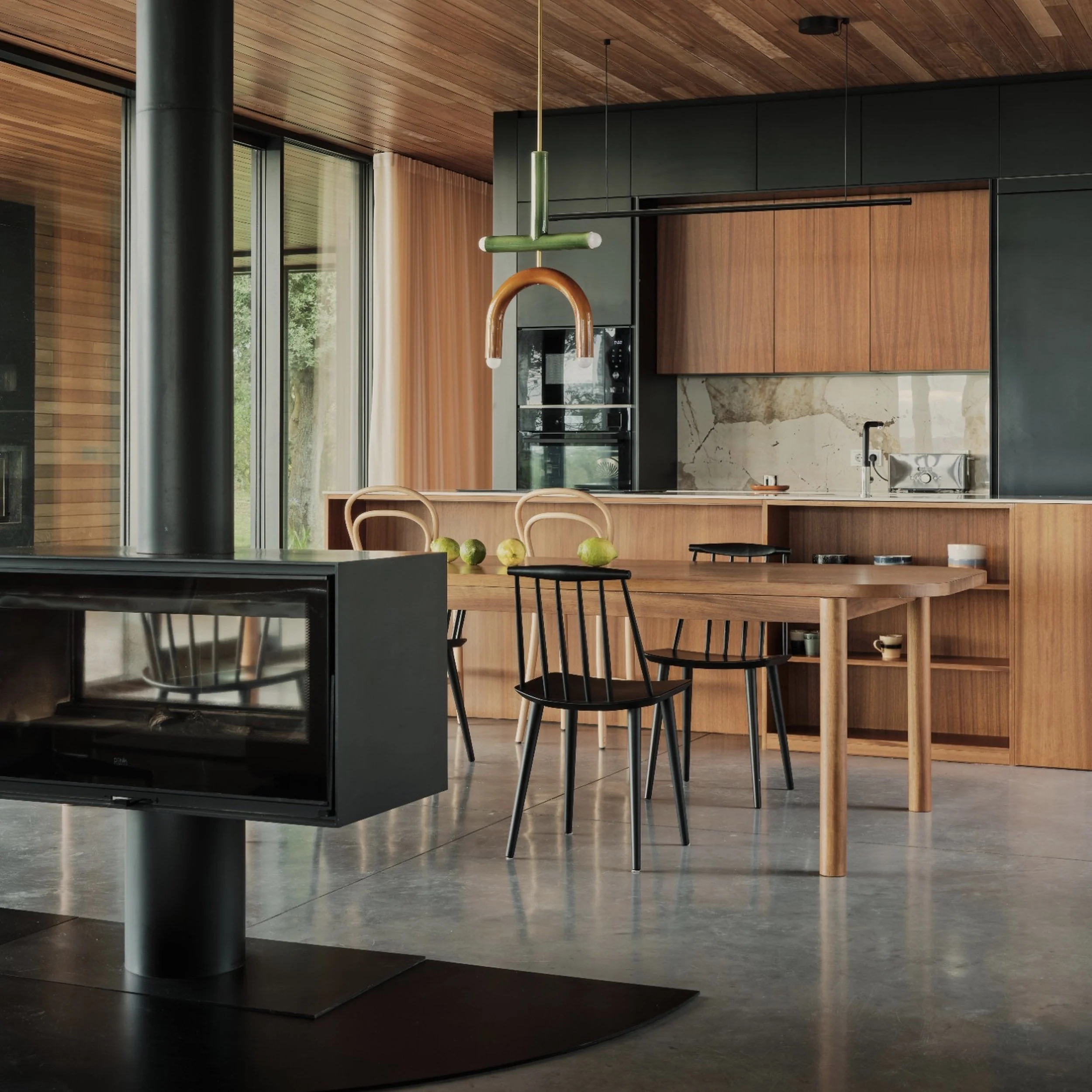
That balance begins with material. The house is built through a language of limestone masonry, wood, glass and reinforced concrete, with the stone façade becoming the clearest statement of intent. Rather than using local material as decoration, ZOOCO ESTUDIO allows it to embody the project’s central position: honesty, authenticity and continuity with the Cantabrian landscape. The limestone masonry evokes traditional construction techniques while being reworked within a contemporary architectural vocabulary that feels sober, rigorous and unmistakably current.
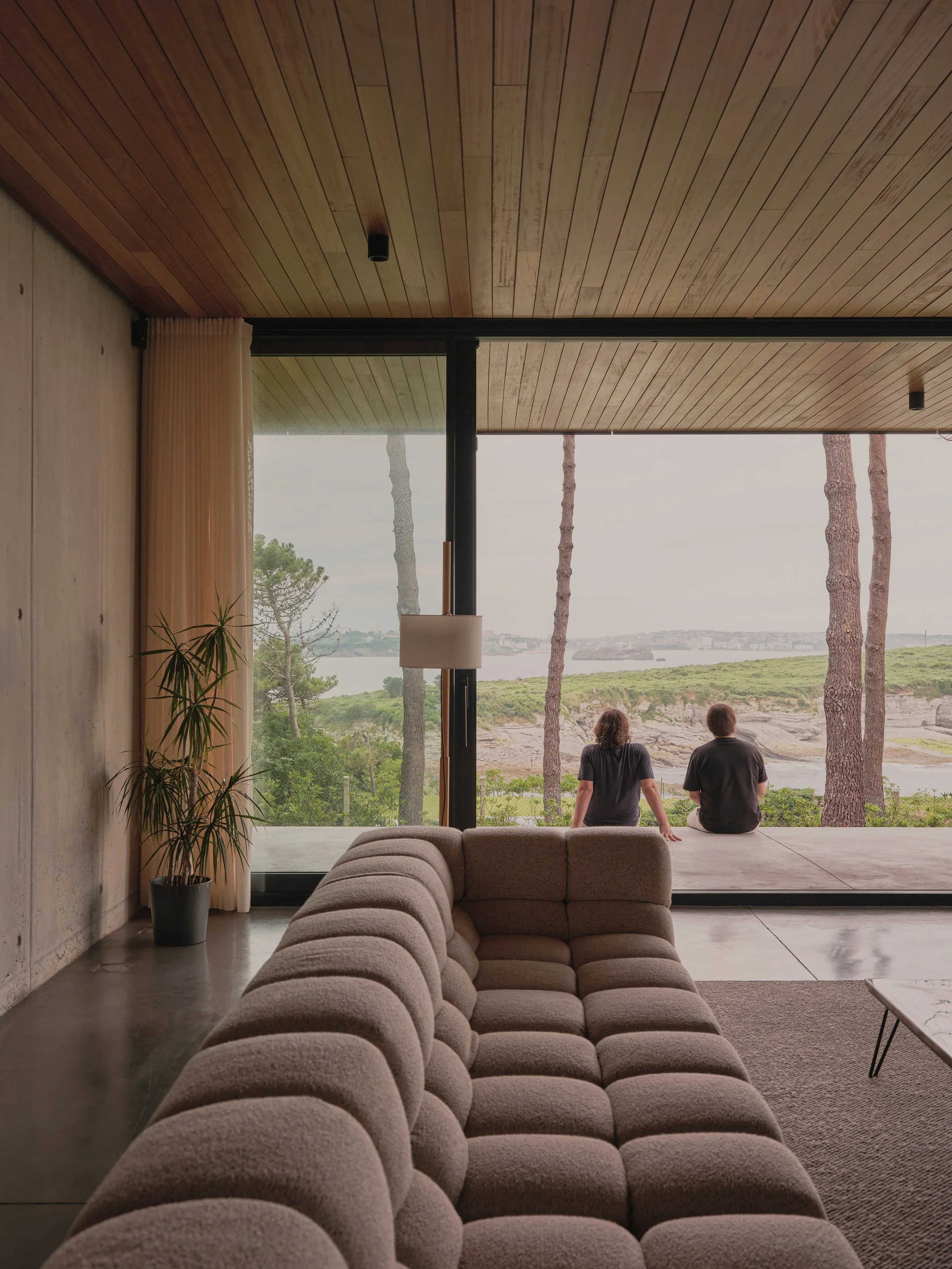
Environmental response is equally embedded in the architecture. The house’s orientation exposes it directly to coastal winds and rain, demanding a design that can protect without retreating. In response, the project introduces sheltered courtyards, porches and overhanging eaves, architectural devices that do more than solve climate. They create gradations of refuge, transition and depth — spaces where the house mediates between exposure and comfort with quiet intelligence.
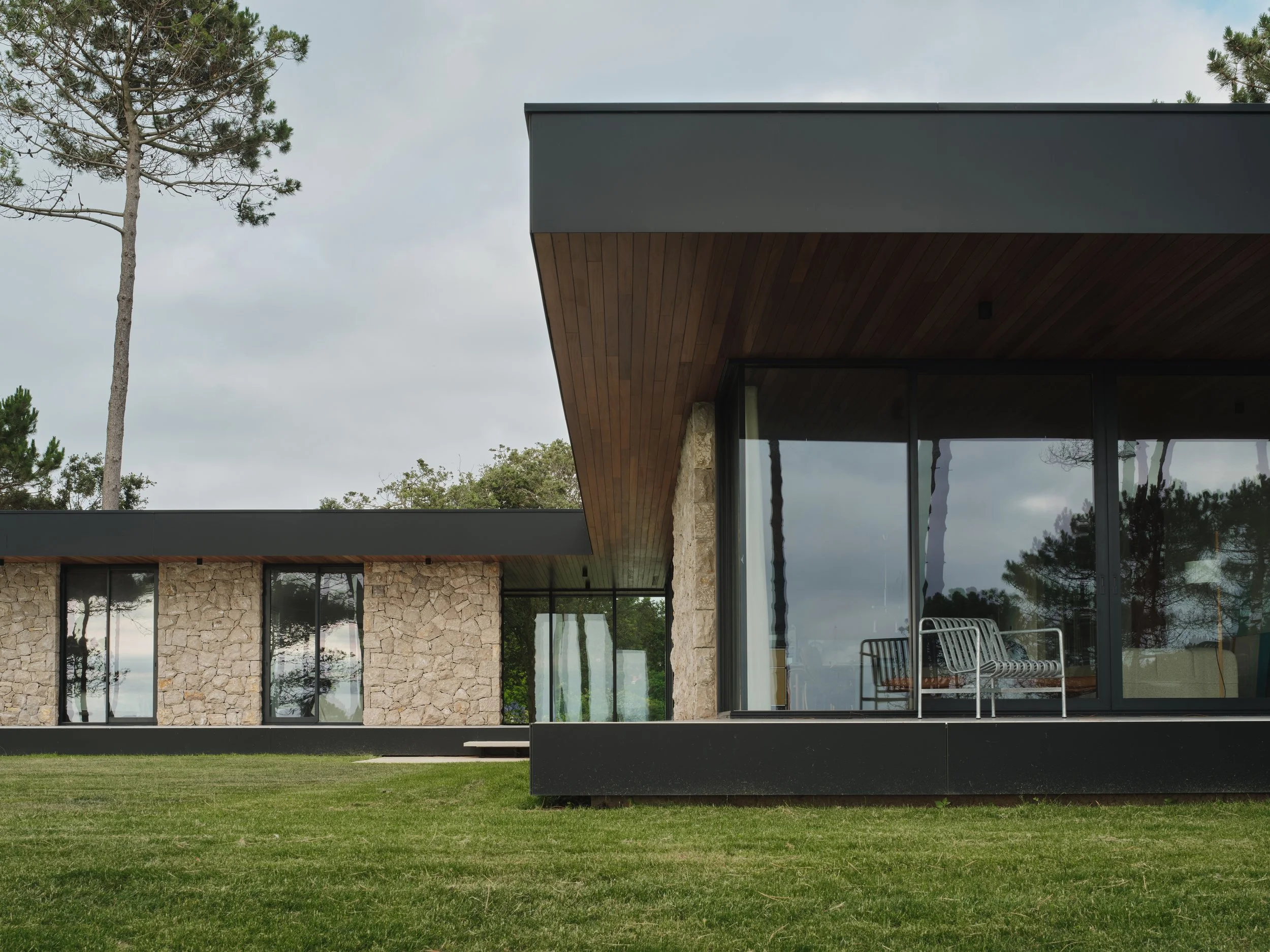
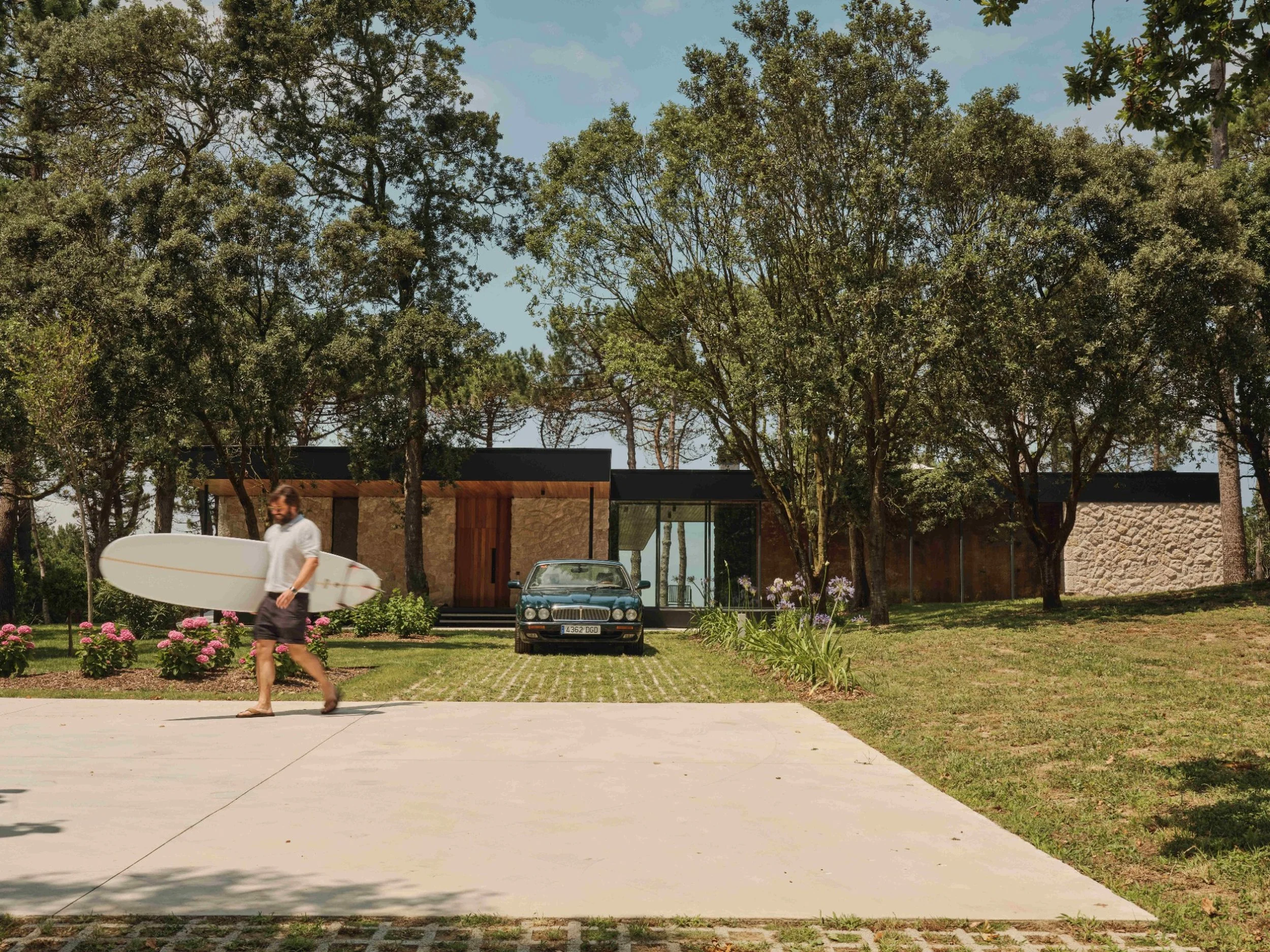
The plan reinforces that logic. Organised in an L-shaped layout, the dwelling separates common areas and the primary bedroom from guest rooms while allowing both wings to function independently or as one. At the point of entry, the sea is already visible, and the interplay of solid and void, enclosure and transparency, turns arrival into a spatial recognition of place. This is architecture that understands landscape not as backdrop, but as an active counterpart.
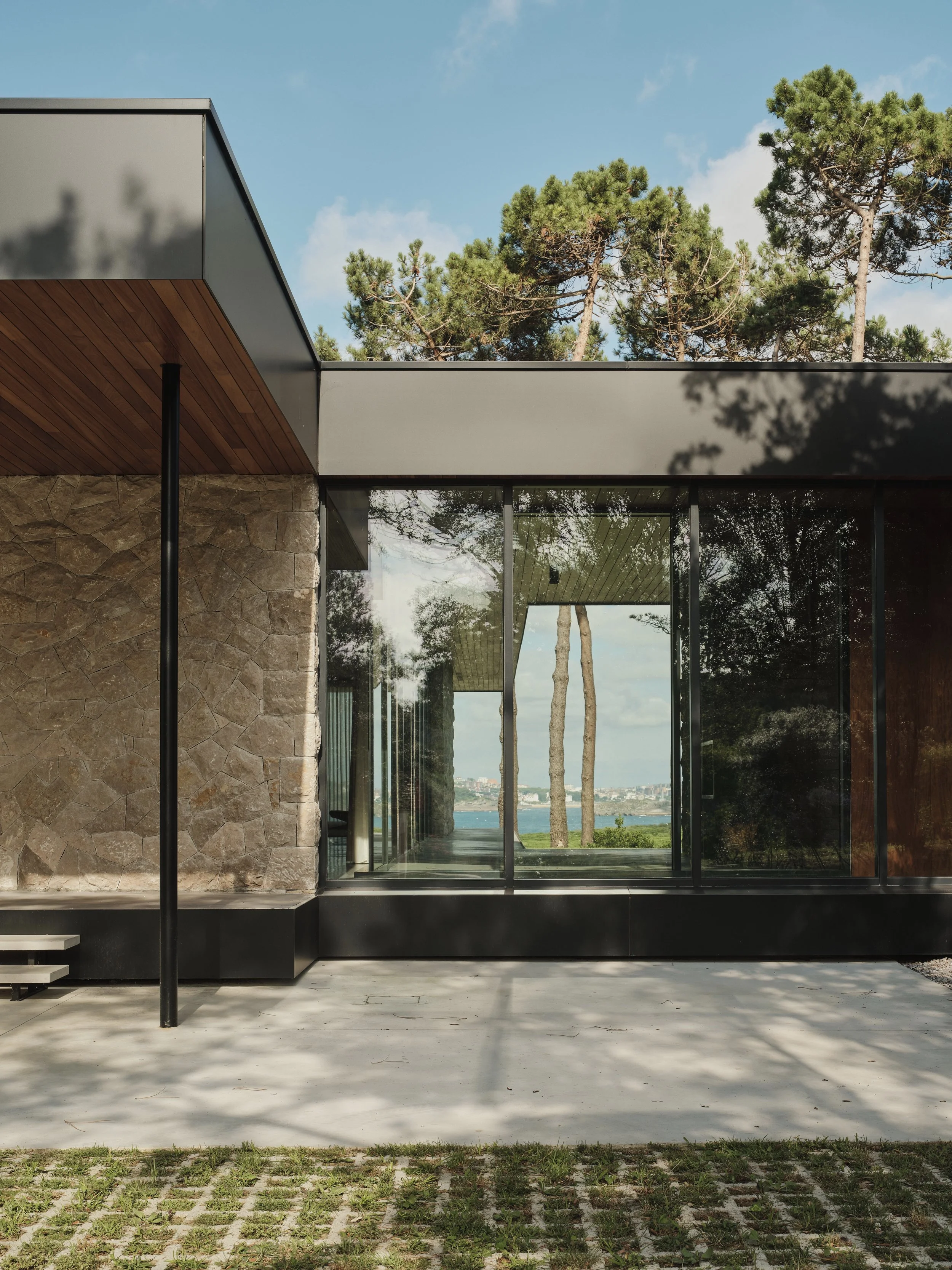
For THECORE, Casa Loredo offers a particularly meaningful reading of sustainability: one rooted not in novelty, but in relevance. It suggests that a more responsible architecture may emerge not by abandoning tradition, but by understanding how to work through it — critically, materially and with renewed precision.
In Loredo, sea and stone are not simply the project’s atmosphere. They are its ethic.
Credits
Project: Casa Loredo NAVC01
Location: Loredo, Cantabria, Spain
Completion year: 2024
Architecture and design: ZOOCO ESTUDIO
Team: Miguel Crespo Picot, Javier Guzmán Benito, Sixto Martín Martínez
Collaborator: Paula Cruz
Construction: COBOMAN S.L
Lighting design: ZOOCO ESTUDIO
Furniture: ZOOCO ESTUDIO
Main materials: Limestone masonry, wood, glass, reinforced concrete
Photography: David Zarzoso