
Riva 1920 Before Salone 2026 | Wood, Time and Durable Design
Ahead of Salone del Mobile.Milano 2026, Riva 1920 returns with a collection that places wood at the centre of a deeper conversation - not only as material, but as memory, durability and a long-term design ethic.
In the design world, sustainability is often discussed through systems, technologies and metrics. But sometimes its clearest expression is much quieter: a material chosen to last, an object made to age well, a piece of furniture conceived not for seasons, but for decades.
This is where Riva 1920 continues to matter.
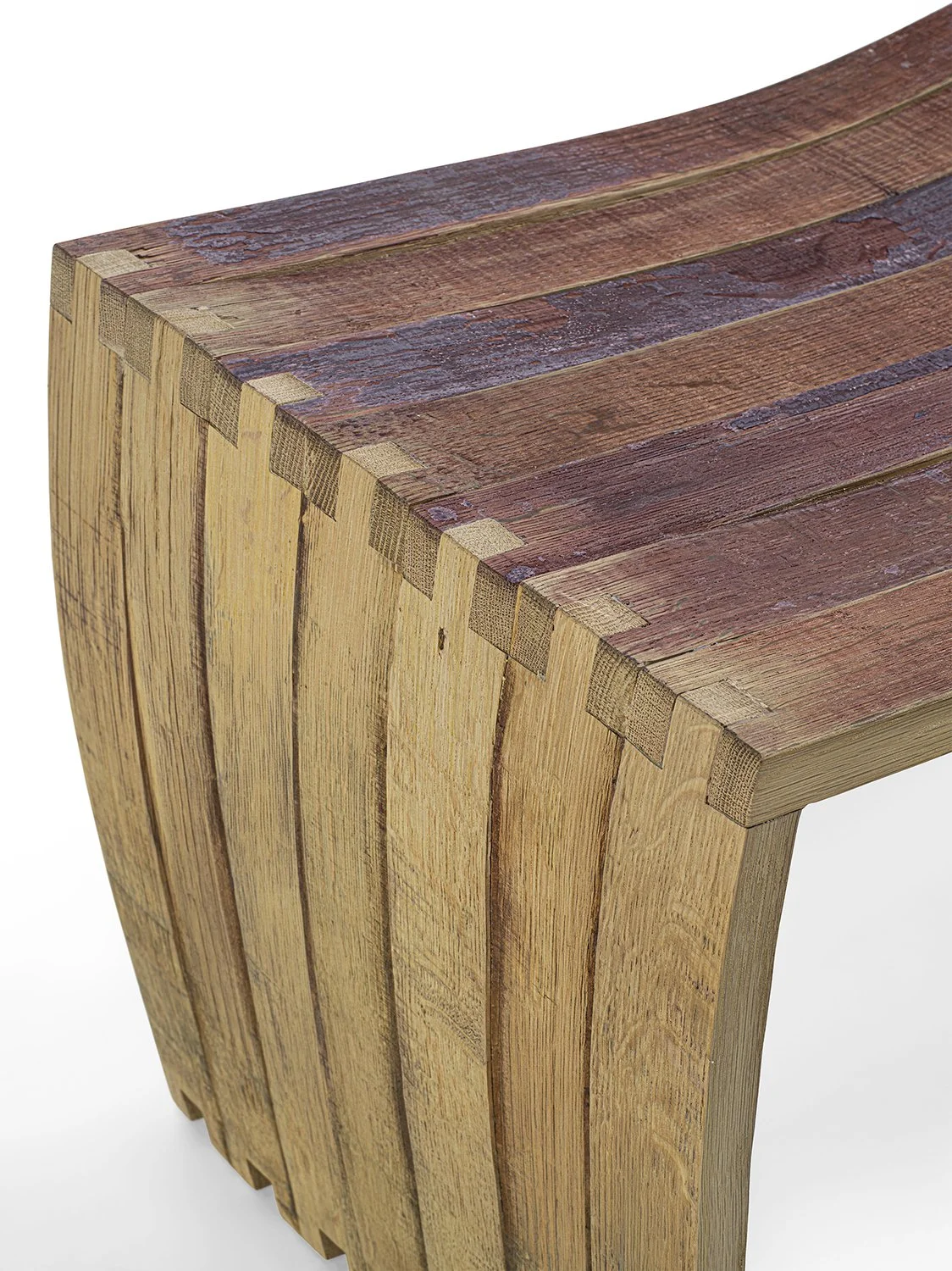
Ahead of Salone del Mobile.Milano 2026, the Italian brand returns with a preview that once again reinforces its long-standing commitment to solid wood, enduring construction and a design culture rooted in permanence. Long before sustainability became a dominant narrative in the industry, Riva 1920 had already built its identity around a simple but increasingly radical belief: that furniture should be made to live long, repair well and carry time visibly.
That belief gives particular weight to the new pieces presented for Milan. Names such as Mario Botta, Renzo and Matteo Piano, Baldessari e Baldessari and Authentic Design point not only to authorship, but to a shared respect for material intelligence.
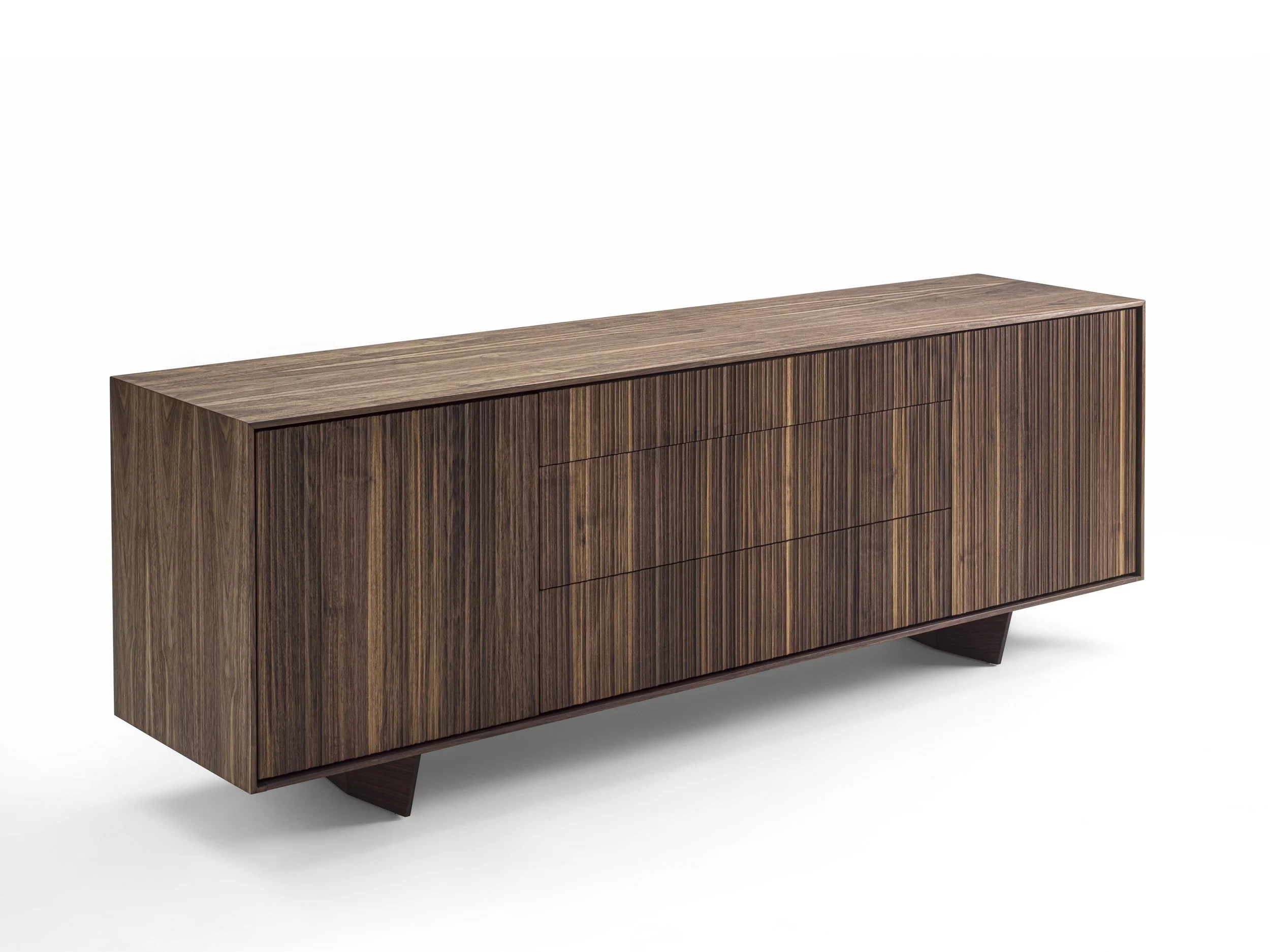
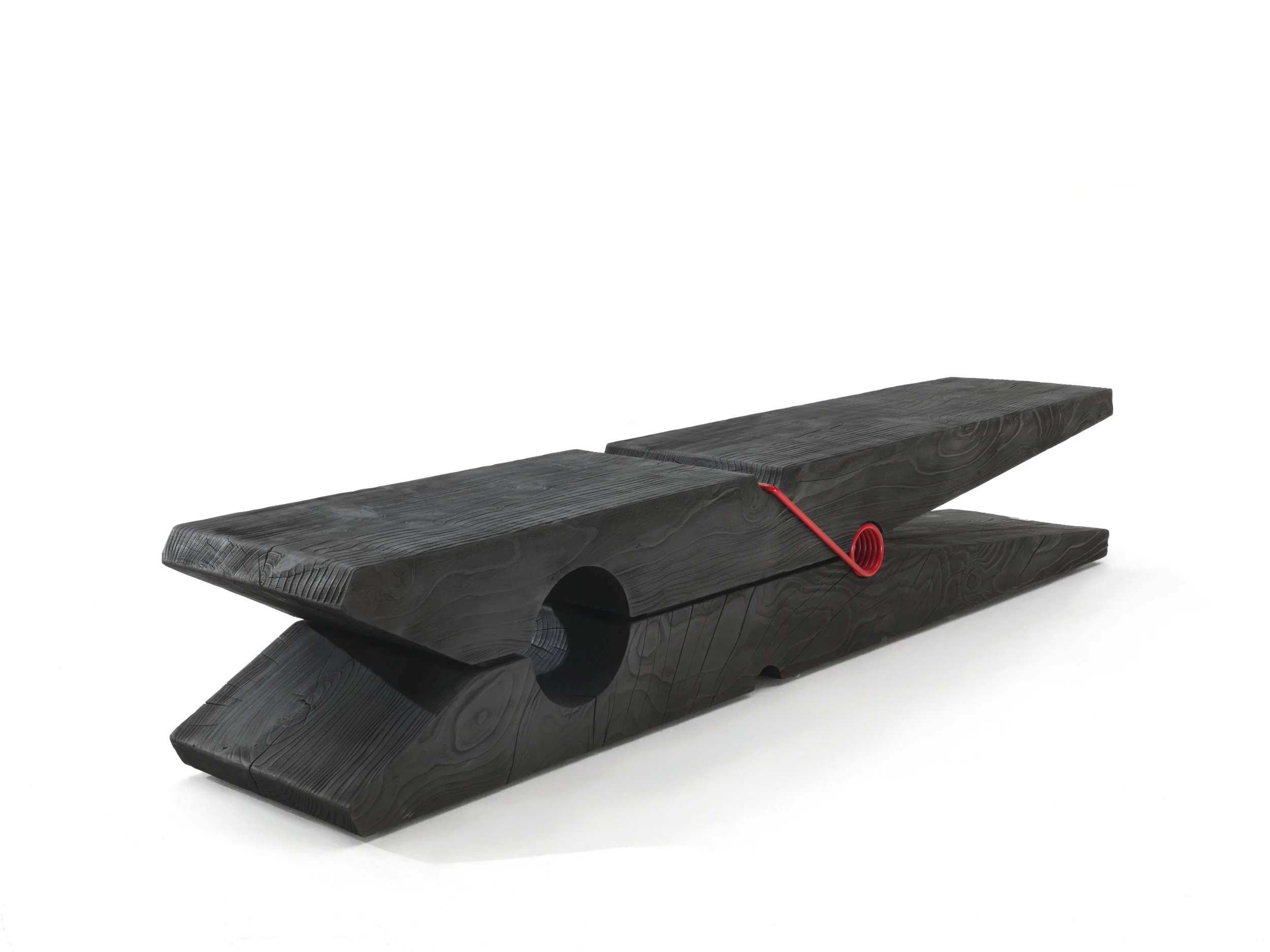
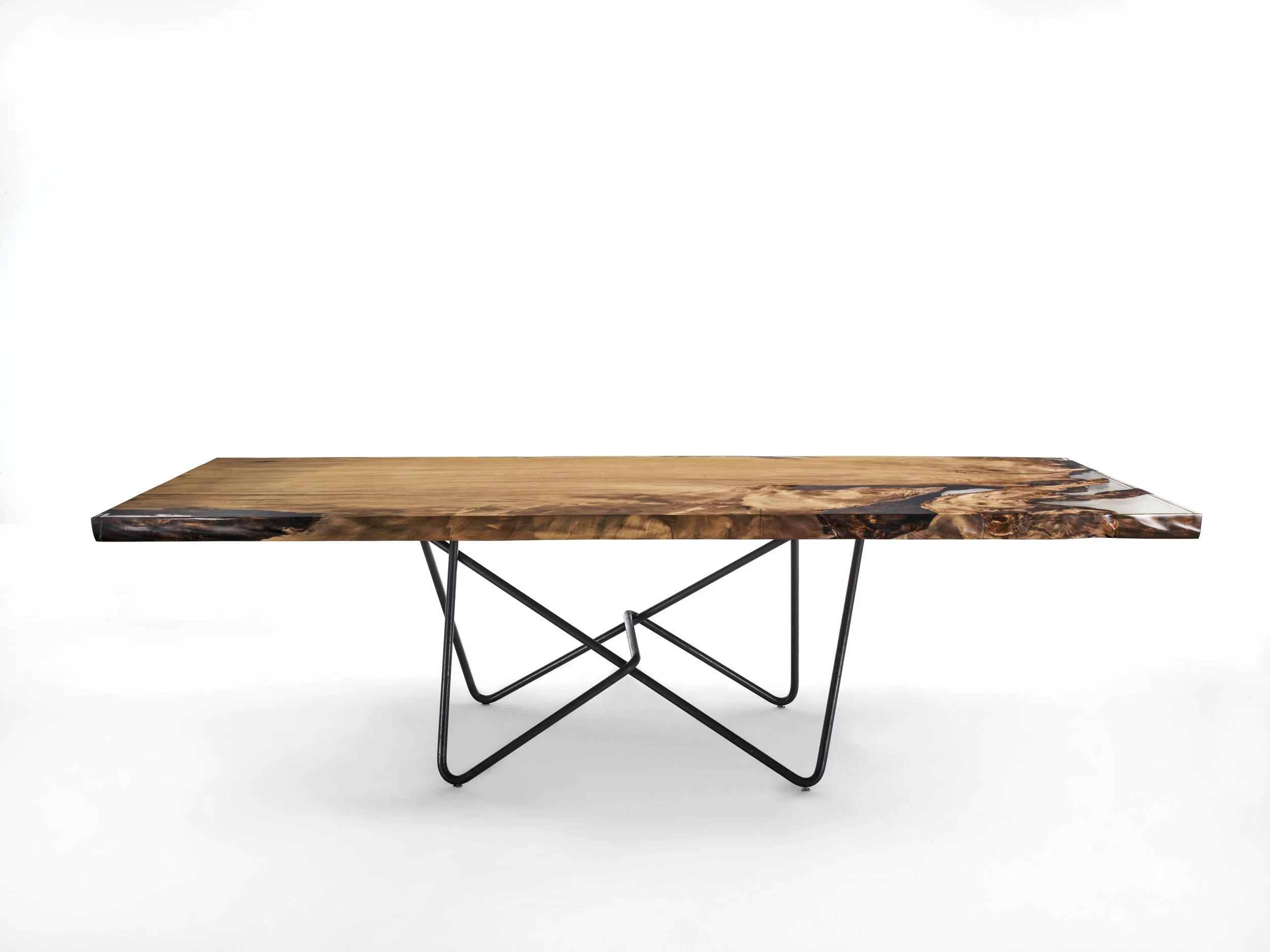
BOTTEA, designed by Mario Botta, suggests an architectural approach to furniture: geometry, presence and structural clarity. KAURI PIANO ANTICO, by Renzo and Matteo Piano, evokes a more poetic register, where timber becomes archive, carrying within it both natural history and human intention. MOLLETTA, by Baldessari e Baldessari, introduces a more playful gesture, while VELA SIDEBOARD, by Authentic Design, hints at movement and sculptural lightness. Together, they suggest a collection that is less about trend and more about how wood can continue to generate meaning.
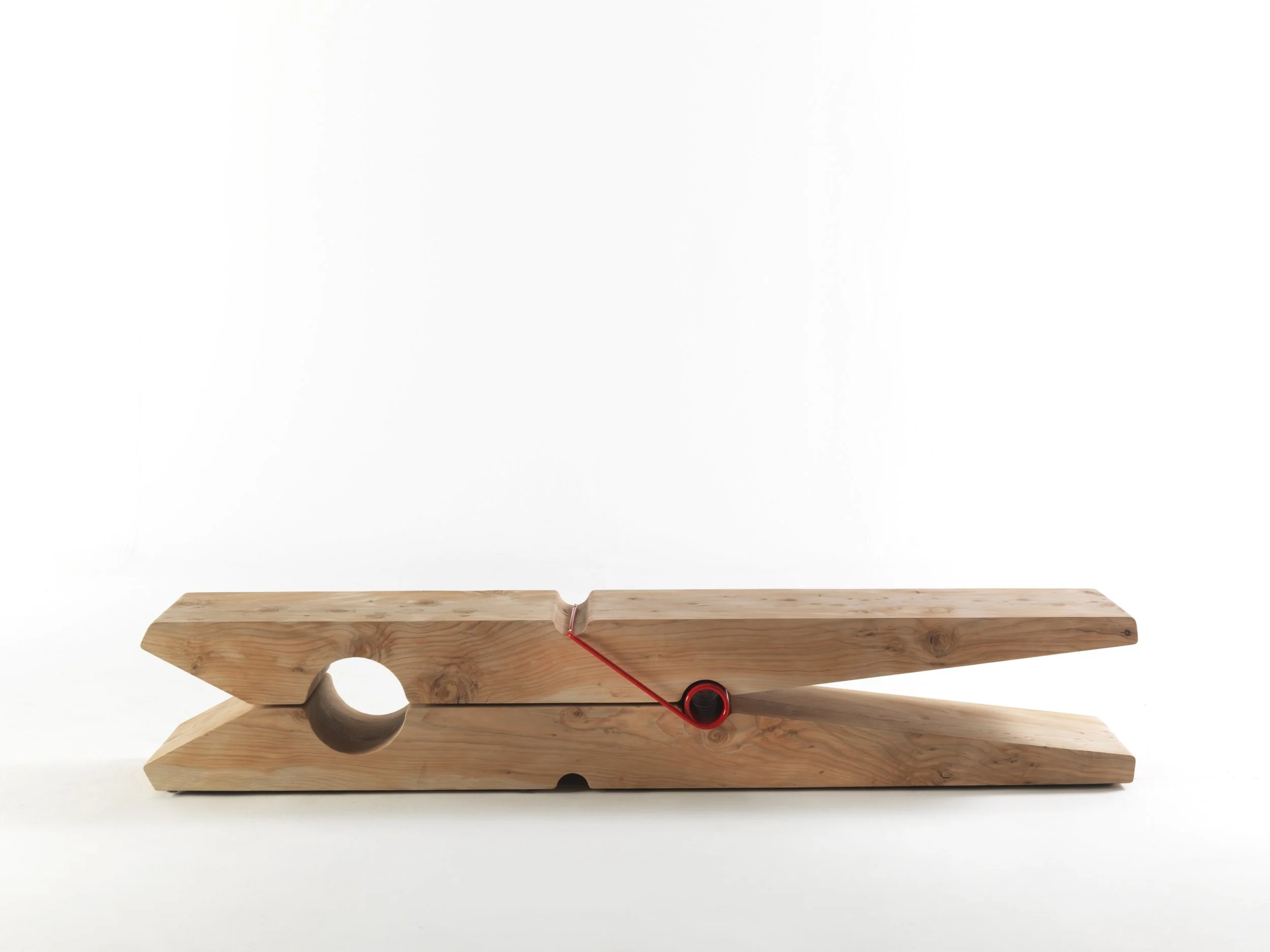
For The Wave of Sustainable Design, this matters because Riva 1920’s approach reminds us that sustainability is not only about reducing impact at the point of production. It is also about extending relevance over time. A well-made object that remains desirable, repairable, and emotionally resonant for decades carries a very different ecological logic than one designed for short cycles of replacement.
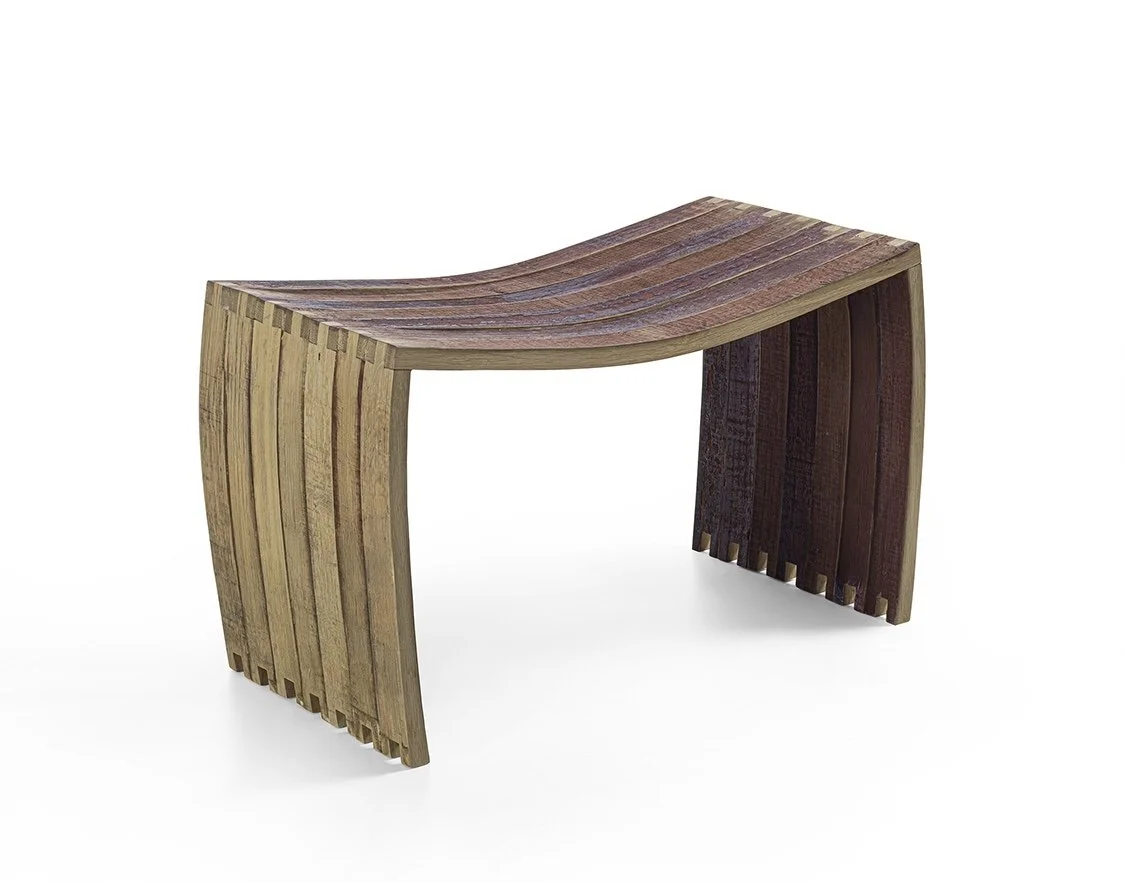
In this sense, Riva 1920 stands for a slower, more grounded vision of design: one where material integrity, craftsmanship and longevity are inseparable. Wood is not treated as surface decoration, but as a living substance with memory, grain and weight. It ages. It changes. It records touch. And precisely because of that, it asks to be kept.
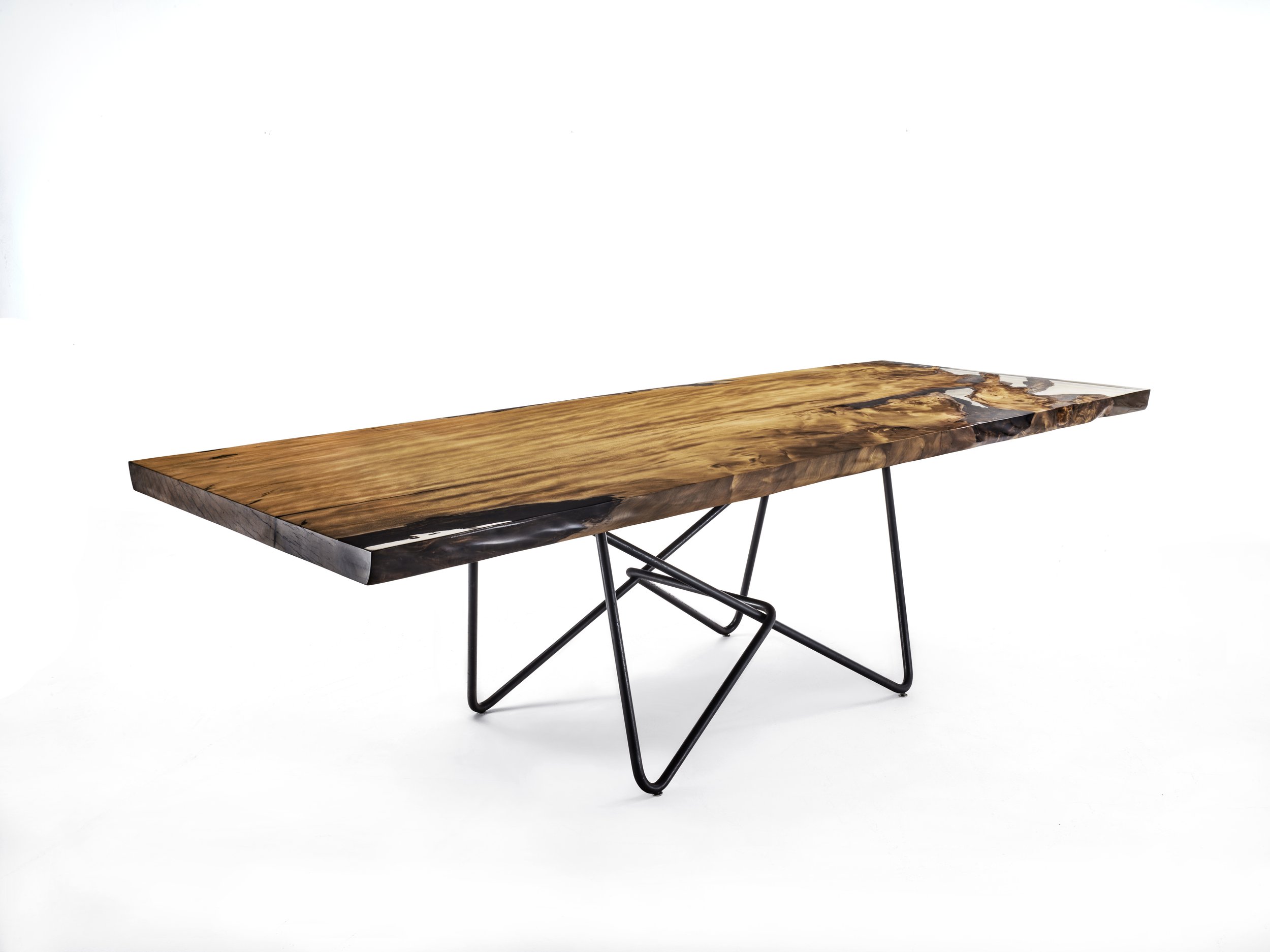
As Milan approaches, Riva 1920 offers a useful reminder that some of the most meaningful forms of sustainable design are not necessarily the newest or the loudest. Sometimes they are the ones that understand how to hold time — and how to turn permanence into beauty.
For THECORE, that is exactly where this preview belongs: within a growing conversation about design that is not only responsible in production, but responsible in duration