Architecture of Belonging: A Learning Community Rooted in Culture and Future Potential
This learning community by Gray Puksand blends Islamic design and modern pedagogy in a co-educational school for students from Prep to Year 4. A culturally grounded, future-focused space designed to inspire identity, learning, and belonging.
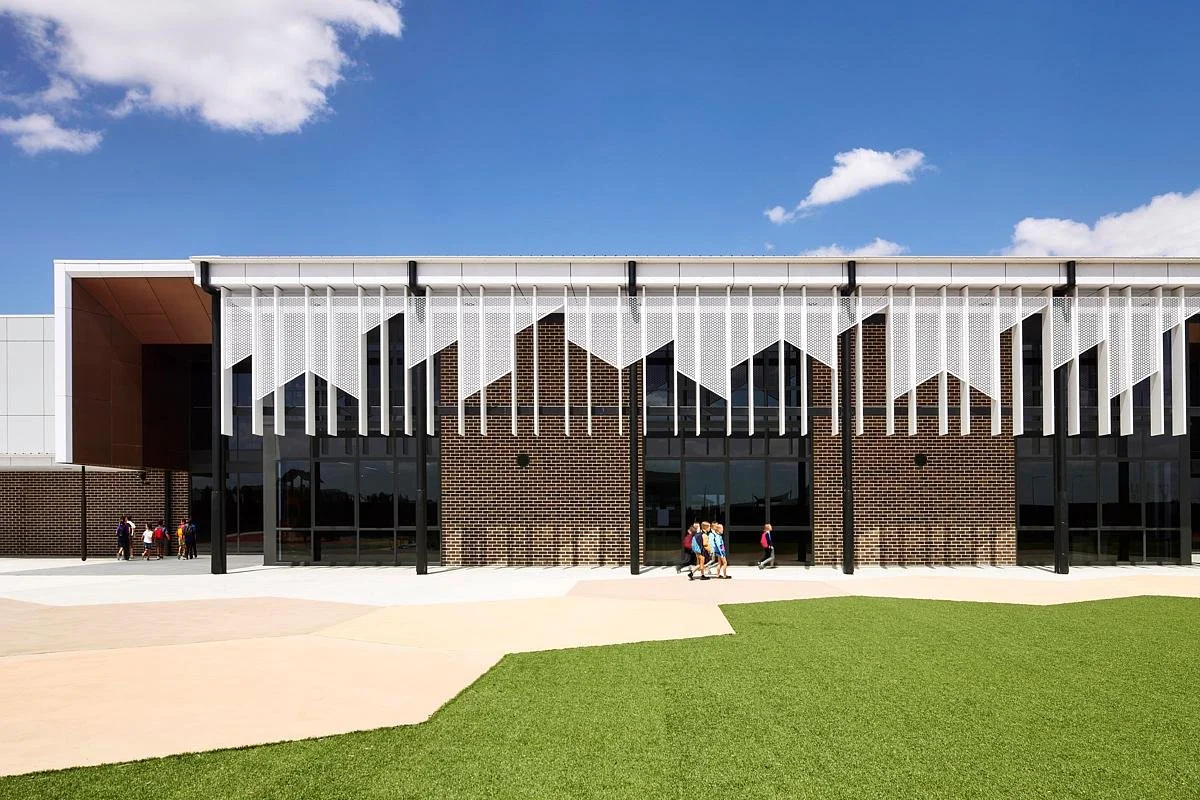
As part of a visionary expansion for a long-established Islamic college, this new dual-level learning community offers more than just educational infrastructure it proposes a model for how architecture can shape identity, belonging, and progressive learning. Designed to accommodate students from Prep to Year 4, the building marks the first phase in a larger campus masterplan that will define the future of the P–12 co-educational institution.
The architecture navigates a delicate balance: honouring Islamic design traditions while fully embracing contemporary pedagogical frameworks. The result is a space that feels both timeless and forward-looking rooted in cultural meaning, yet open to innovation.
A Blueprint for the Future
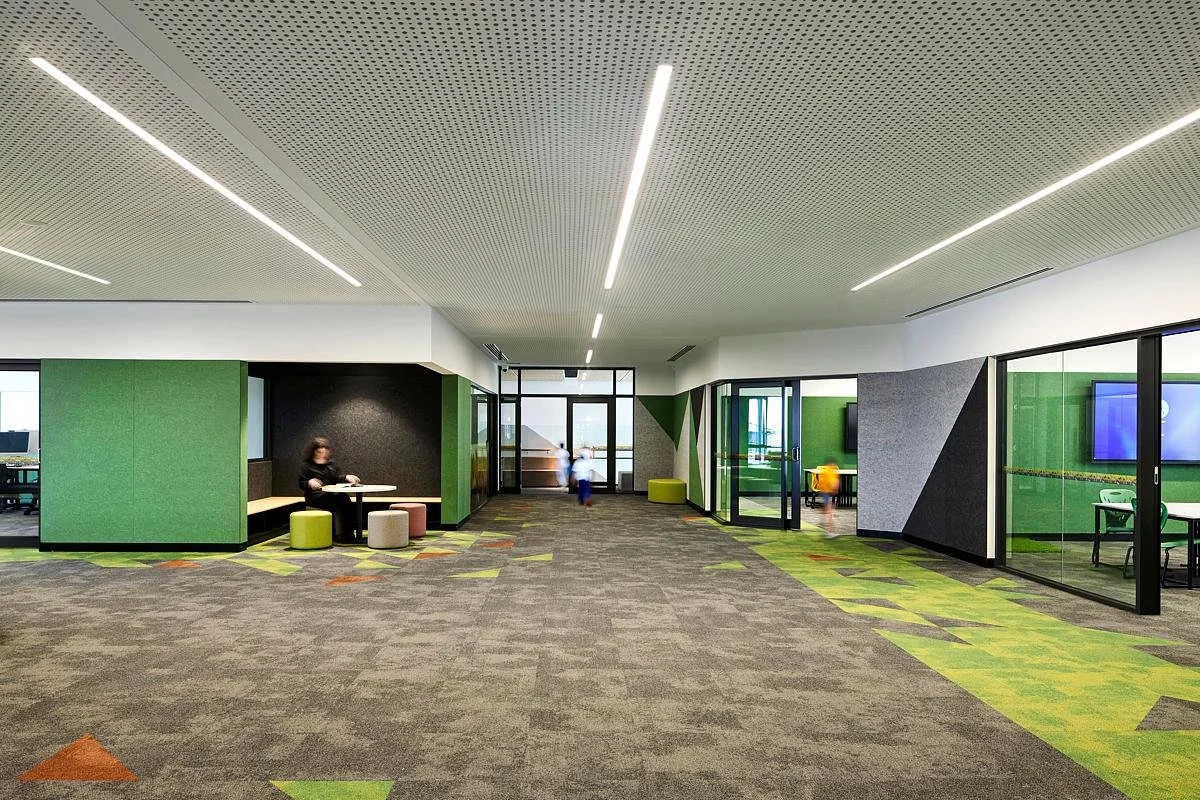
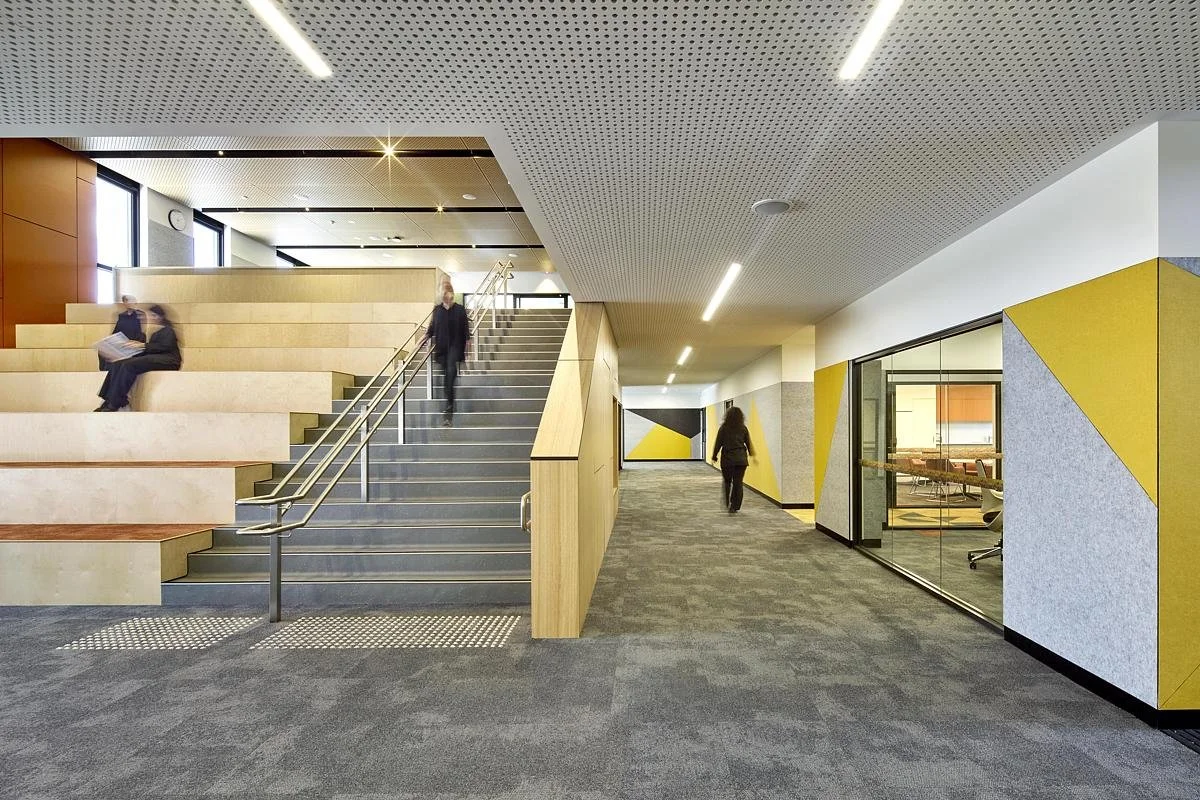
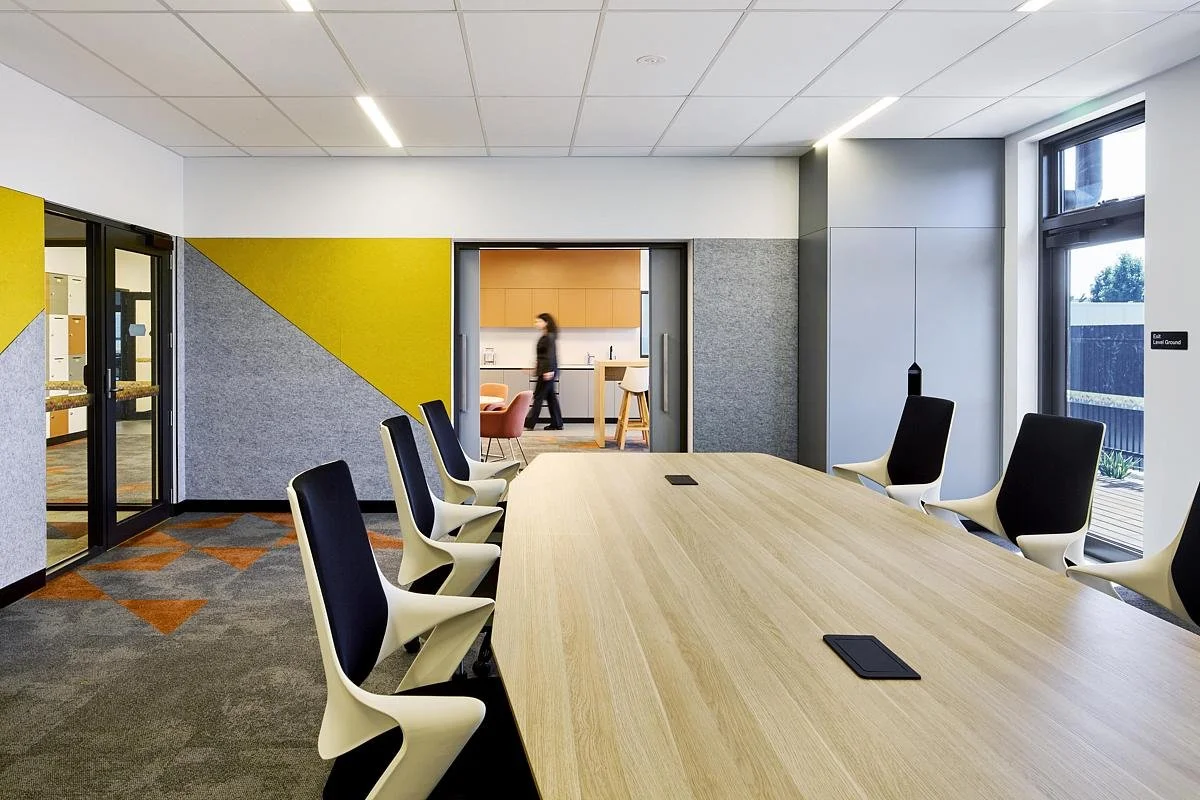
Organised as interconnected learning neighbourhoods, the building moves beyond the conventional classroom model. Each cluster of five formal learning studios is interlaced with adaptable nooks designed for small-group collaboration, quiet reflection, or social interaction. These layered spaces reflect how learning today is fluid-shifting between introspection and engagement, structure and spontaneity.
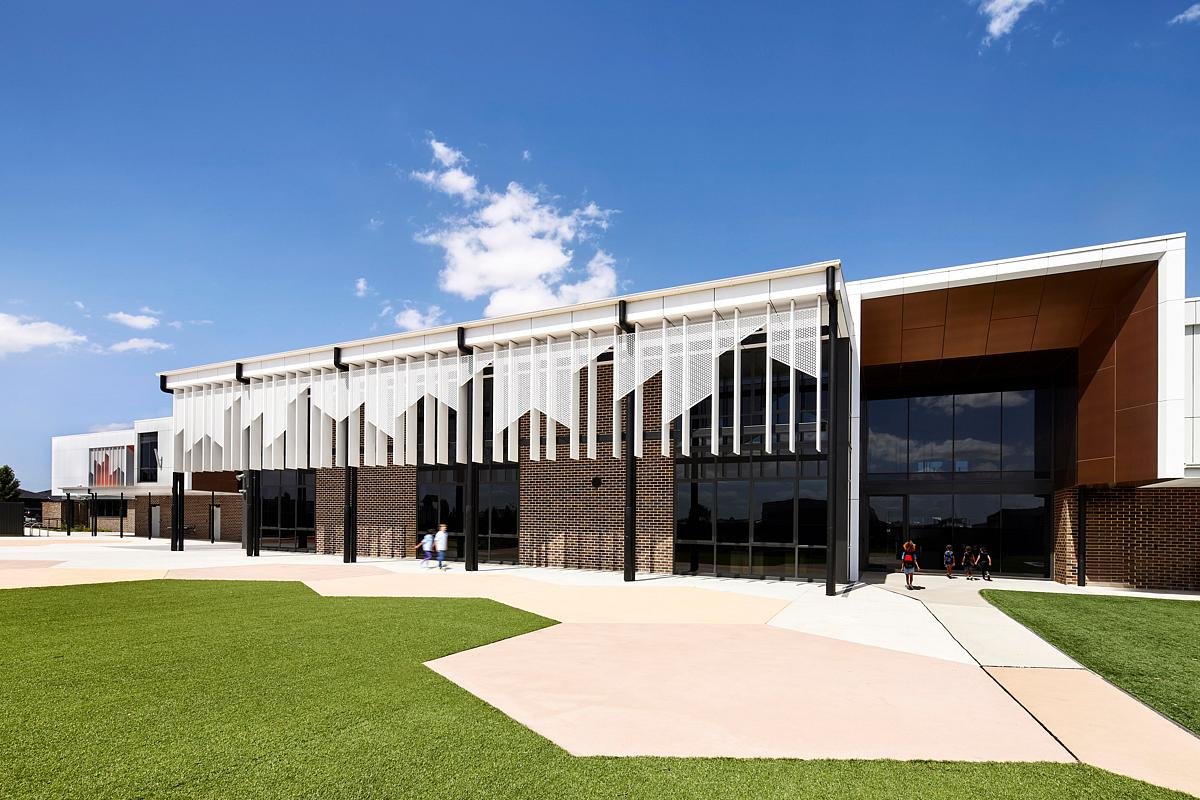
The dual-level structure is punctuated by key circulation points both horizontal and vertical that define the rhythm of the building while providing intuitive navigation for young students. These nodes establish a clear, legible spatial identity that can be expanded upon in future phases of the campus.
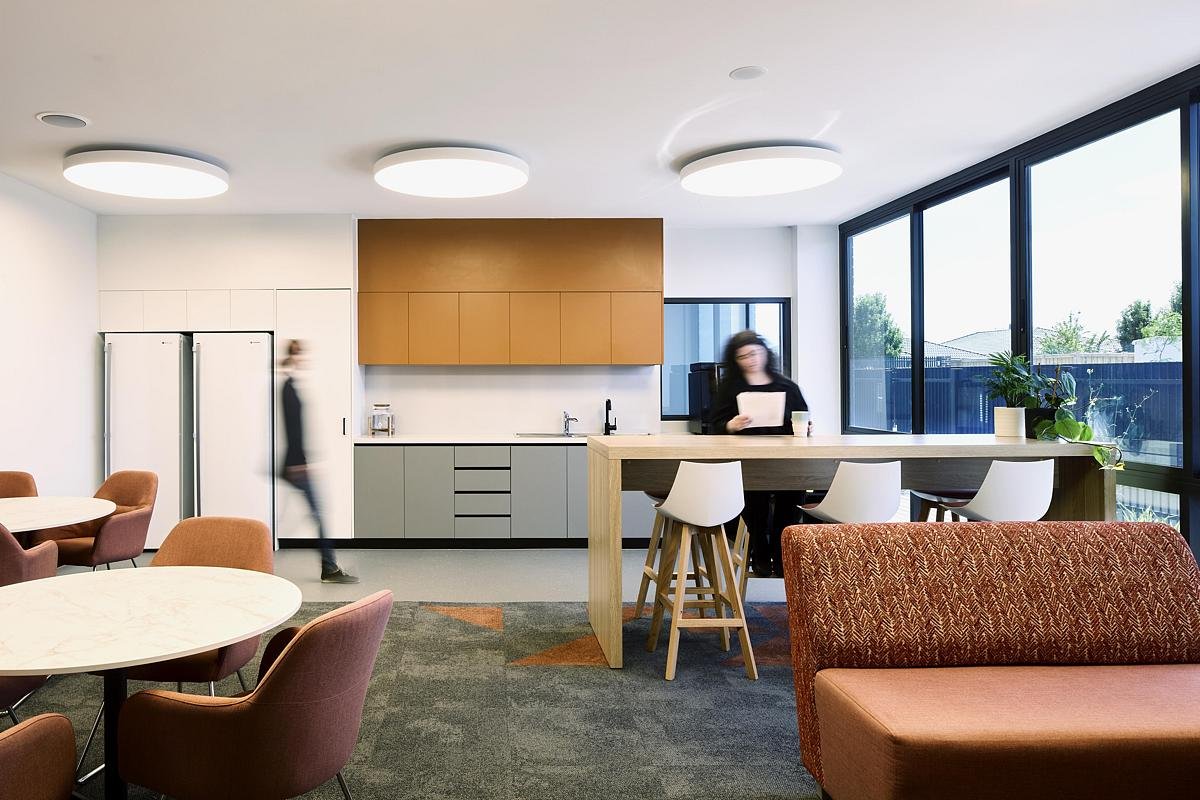
A Contemporary Interpretation of Islamic Design
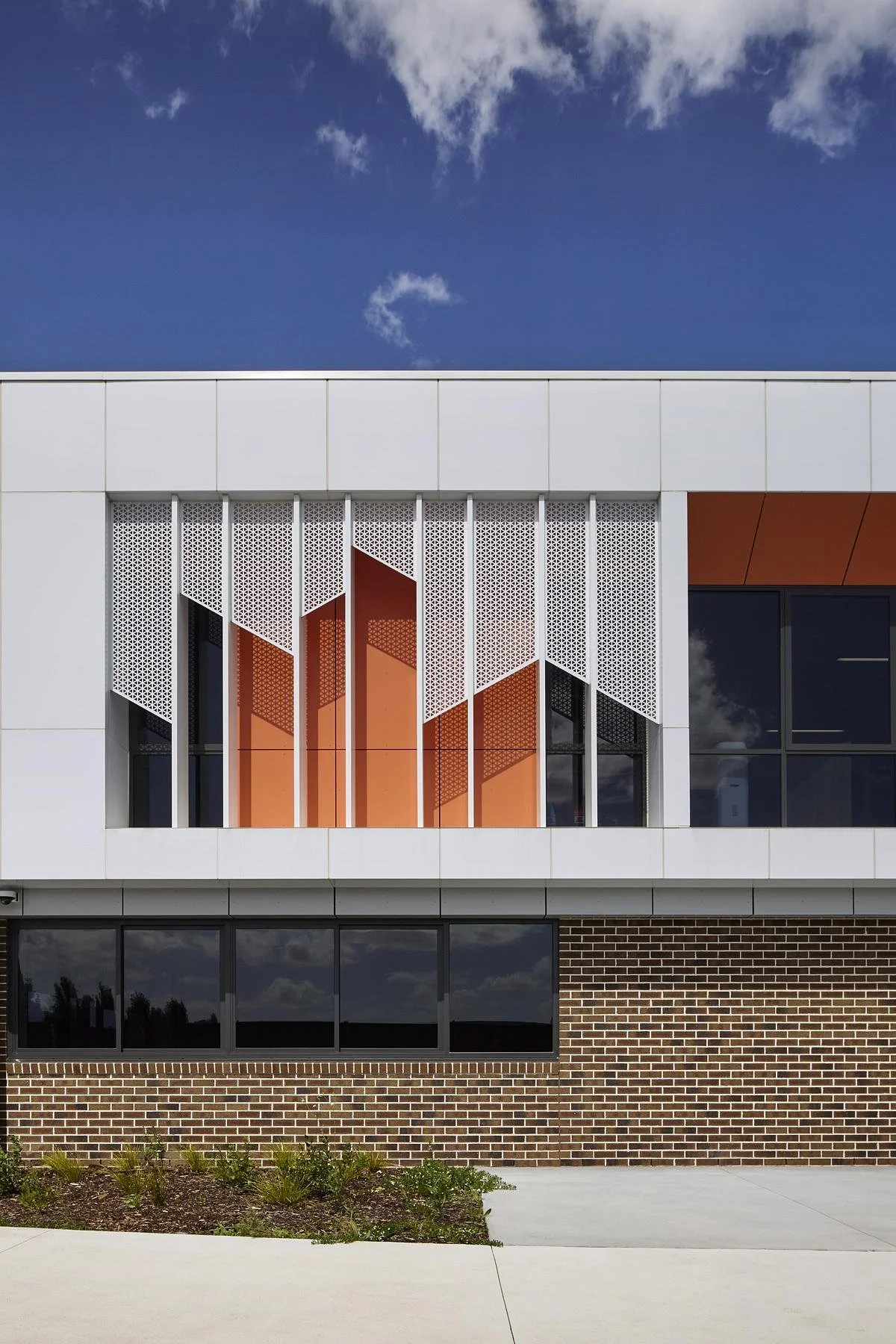
From façade to courtyard, the design draws deeply from the language of Islamic architecture not in imitation, but in thoughtful reinterpretation. Delicate screening elements reference cultural motifs while also providing solar protection and visual privacy. Light and shade are used not only functionally but also symbolically, with natural patterns shifting throughout the day to create a dynamic, contemplative atmosphere
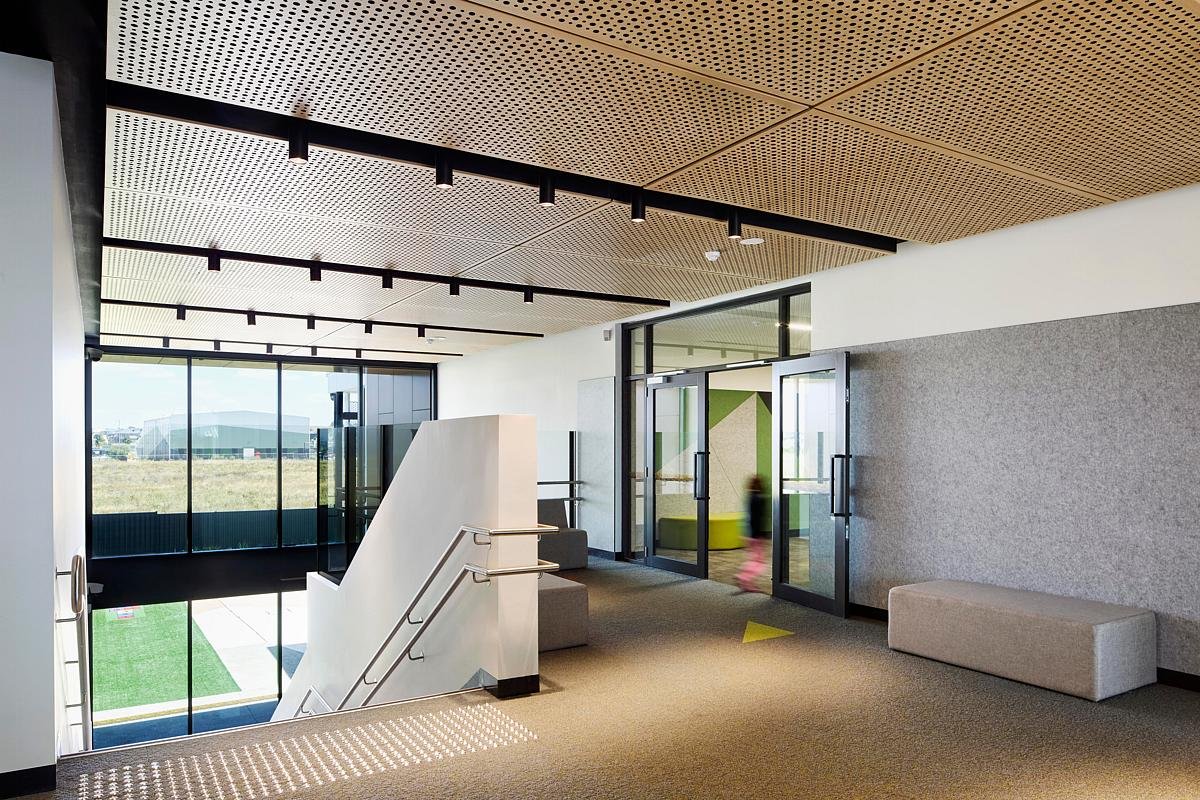
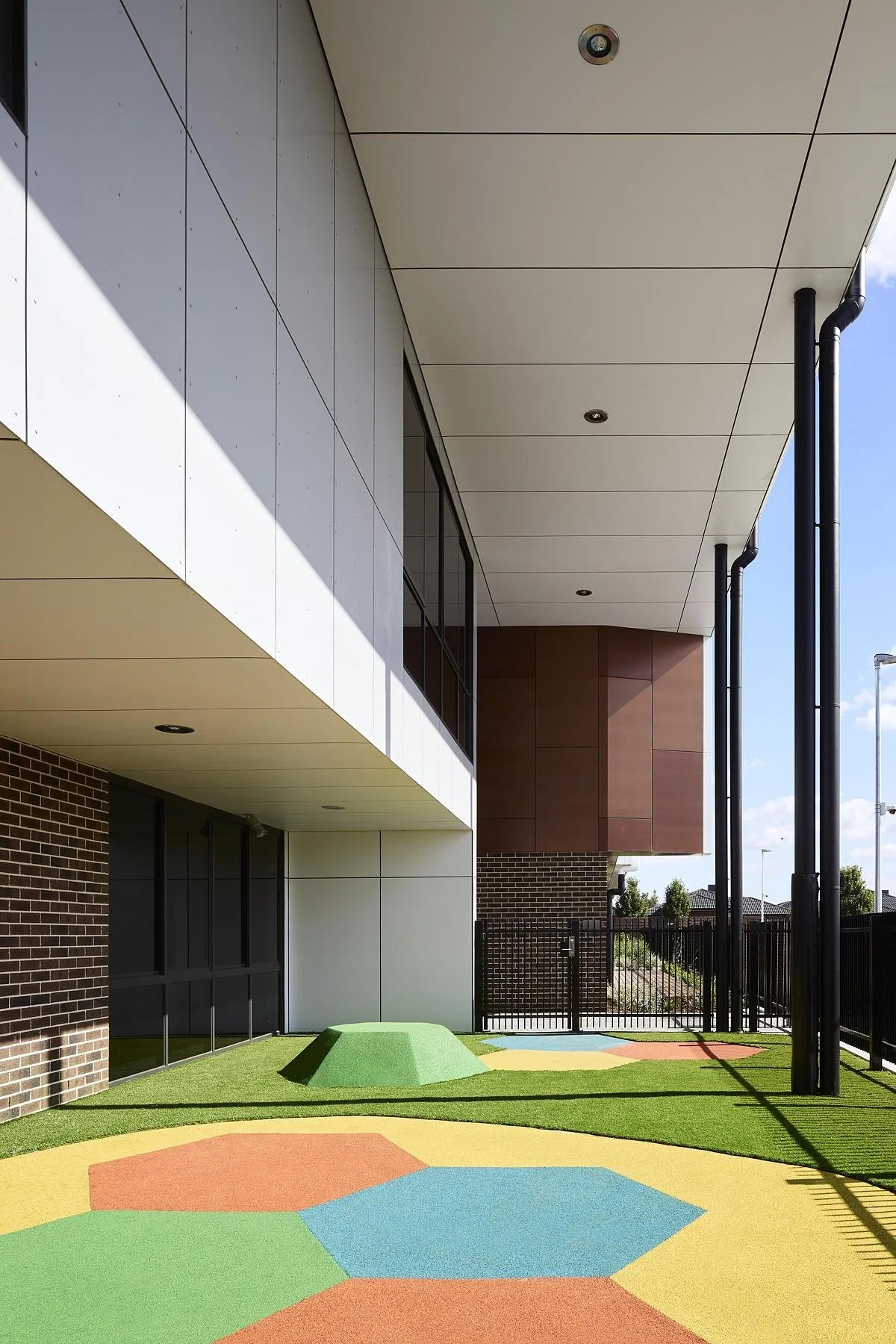
The materials and detailing reflect craftsmanship and care, while the landscape architecture reinforces the building’s connection to community and environment. Geometric forms define play zones and gathering areas, grounding students in an aesthetic language that is both culturally resonant and age-appropriate.
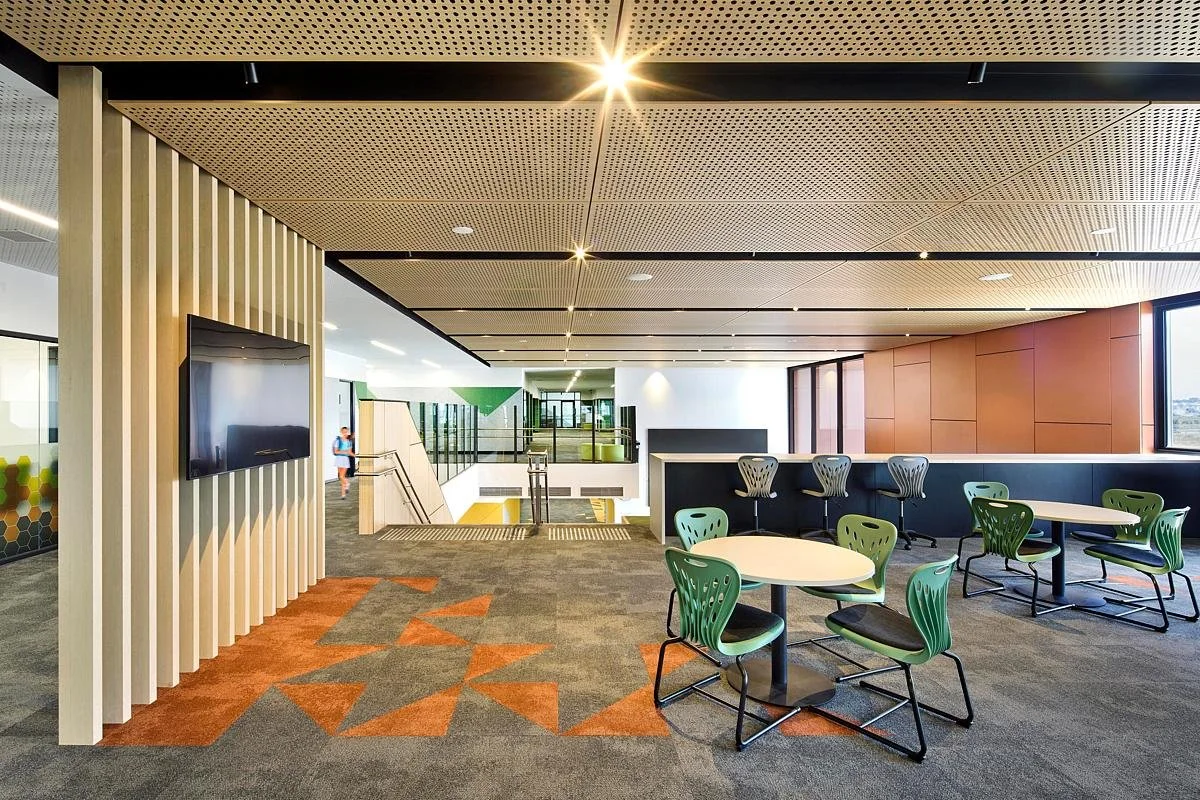
Learning Beyond the Classroom
In a world where education must do more than deliver knowledge, this building offers a space where students can grow intellectually, emotionally, and spiritually. It’s a project that nurtures identity and community, while creating an architectural framework for future generations to thrive
This is not just a school building it is a learning ecosystem, and a cultural statement: one that embodies the values of its community, while boldly shaping a more inclusive and visionary future
Project Credits
• Architect: Gray Puksand
• Photography: Christine Franci