
Living For Bikes: Where Outdoor Performance Becomes Culture
In Valle de Bravo, Living For Bikes reflects a new model of outdoor culture — where cycling, repair, community and architectural atmosphere converge beyond traditional retail.
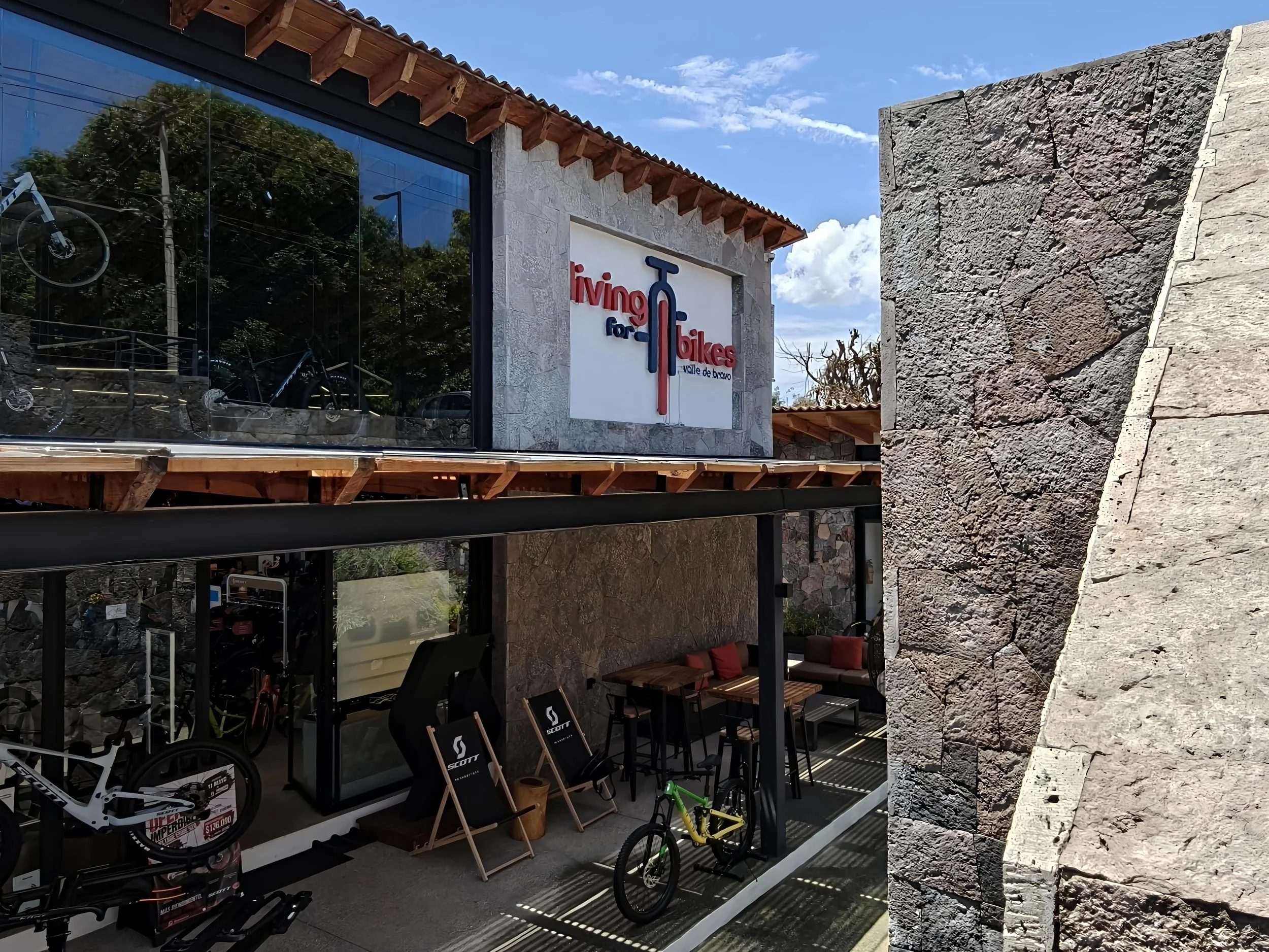
In the mountains surrounding Valle de Bravo, a new kind of space is beginning to take shape.
Not a traditional bike shop.
Not only a technical workshop.
Not simply a retail environment.
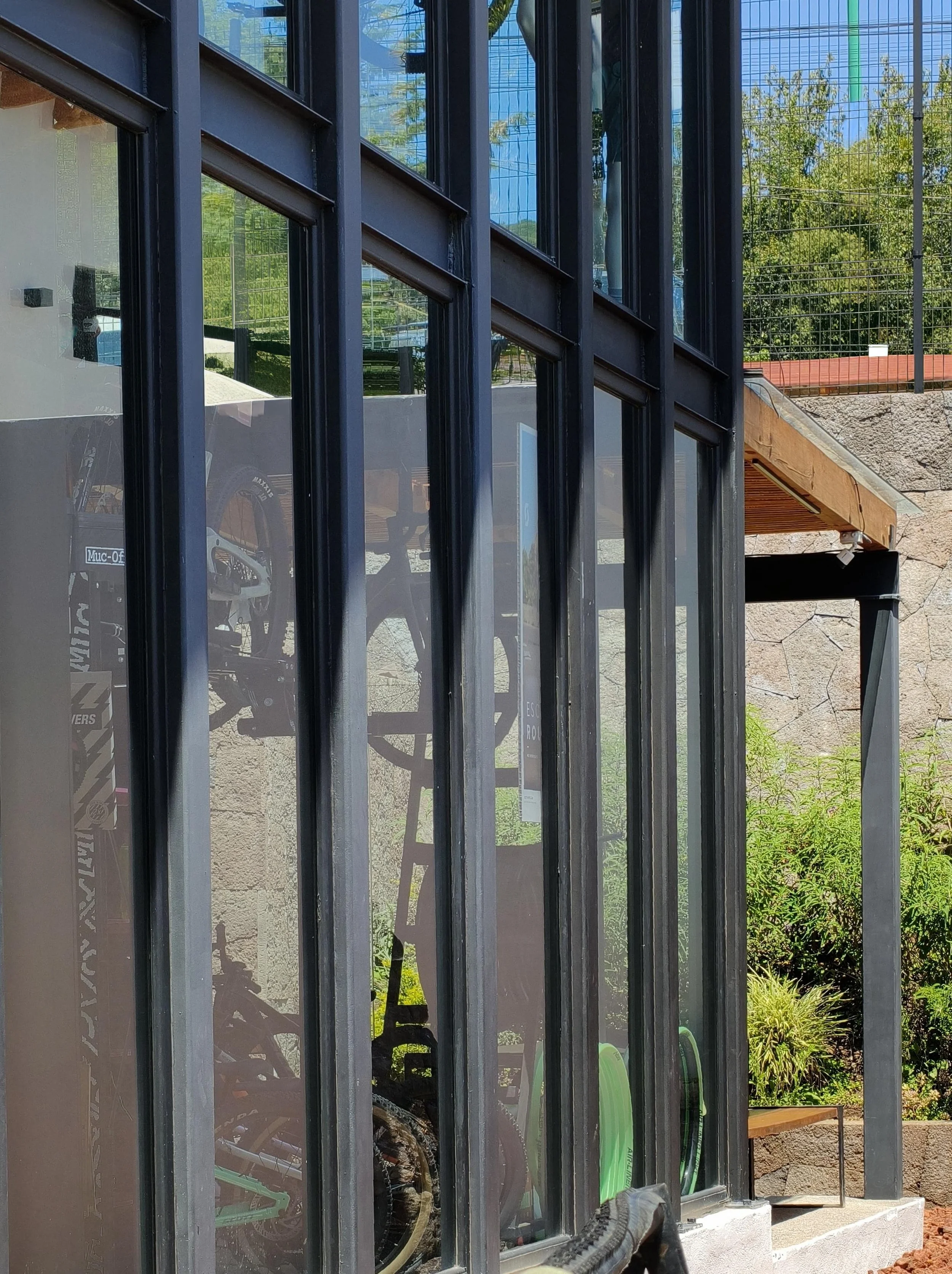
Living For Bikes represents something broader: a contemporary ecosystem where performance, community, repair culture and outdoor living converge into a more complete lifestyle narrative.
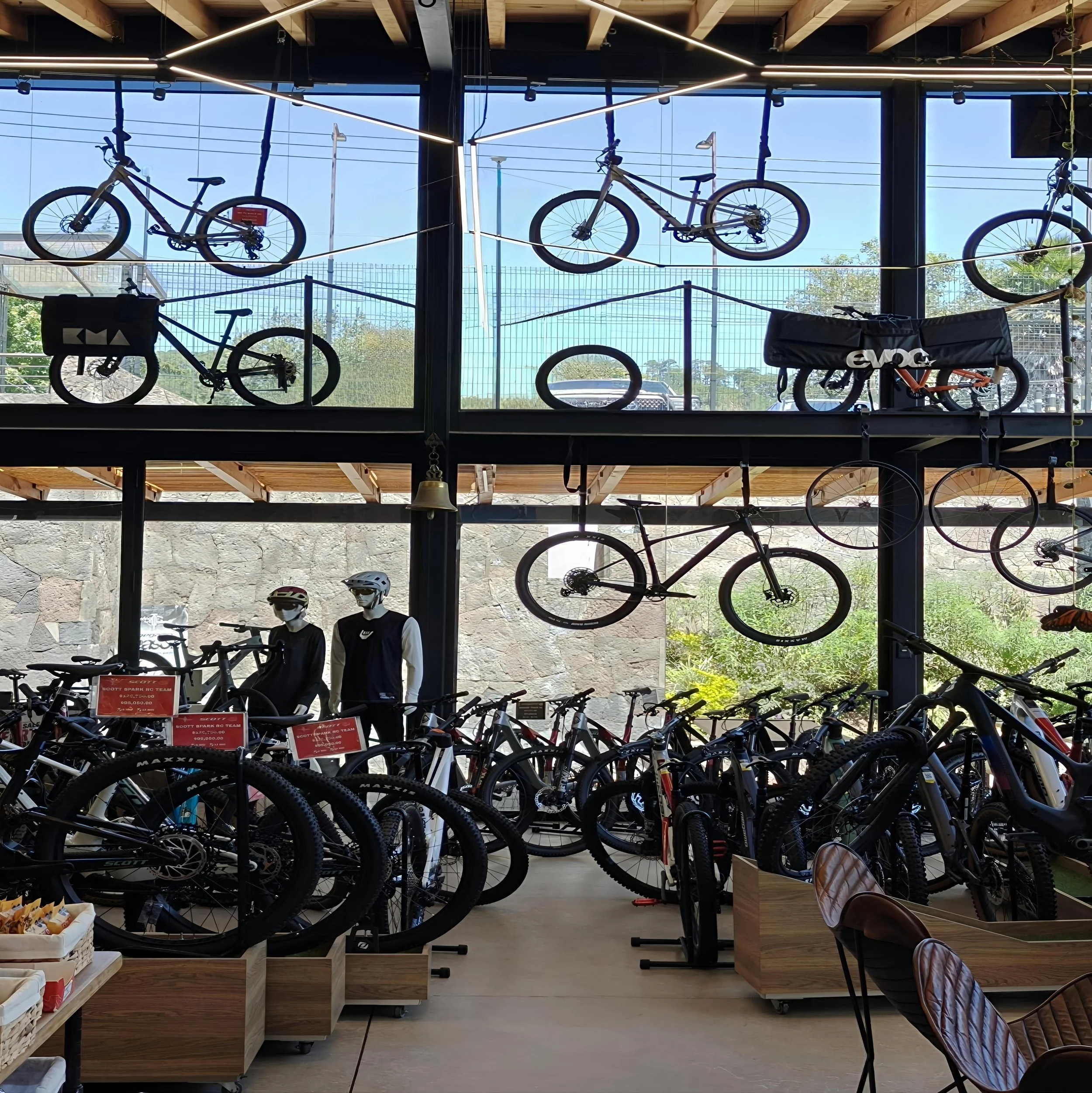
As cycling culture evolves globally, the most relevant spaces are no longer defined only by the products they sell, but by the experiences, rituals and communities they build around movement. What was once niche performance retail is becoming something more layered — part clubhouse, part workshop, part cultural meeting point.
That shift is already visible here.
The Rise of the Outdoor Clubhouse
Across the world, cycling is expanding beyond sport into culture.
The bicycle now sits at the intersection of mobility, wellness, exploration, sustainability and design. Riders are no longer searching only for equipment. They are searching for belonging, shared knowledge and a more meaningful relationship with landscape.
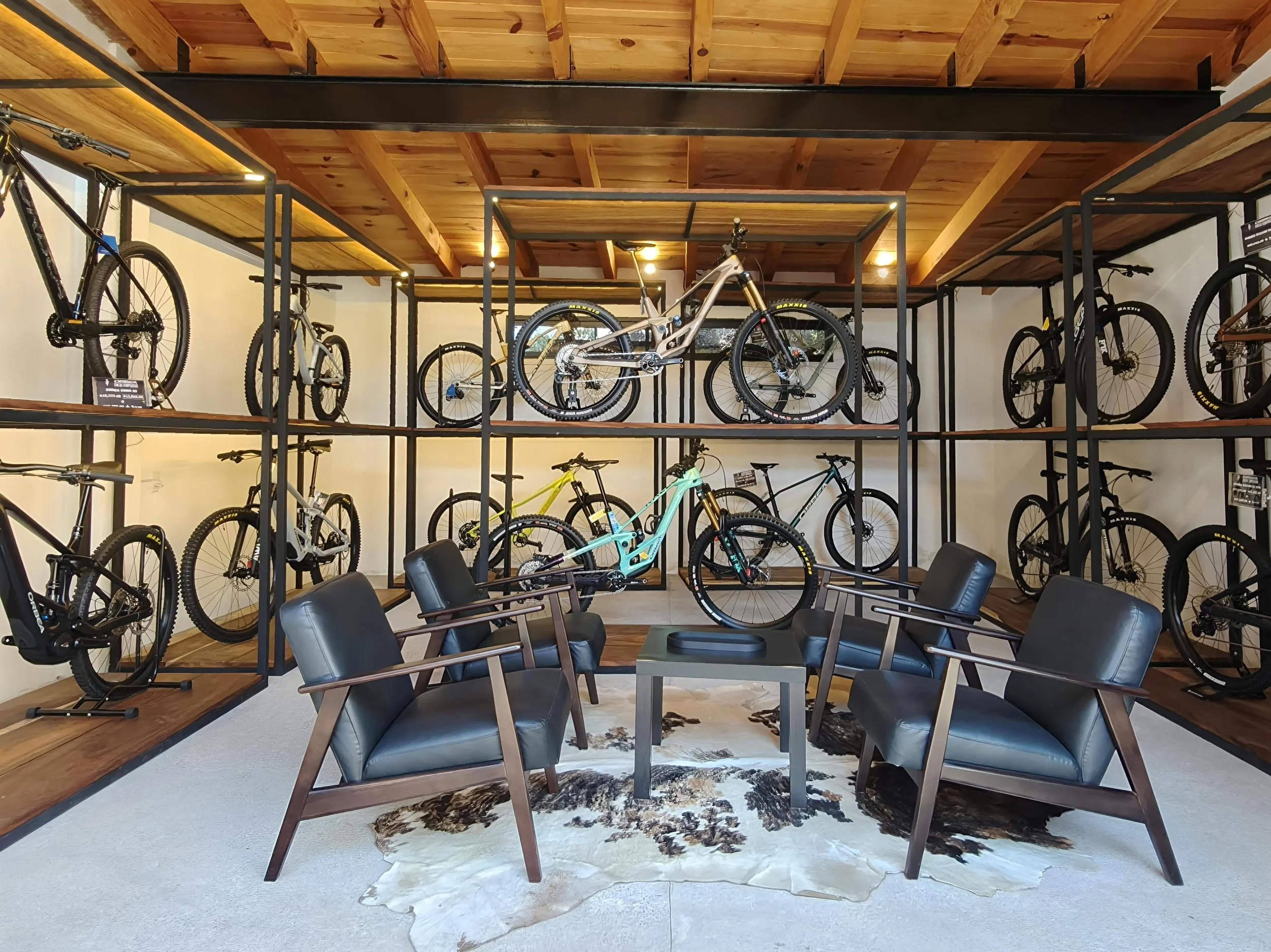
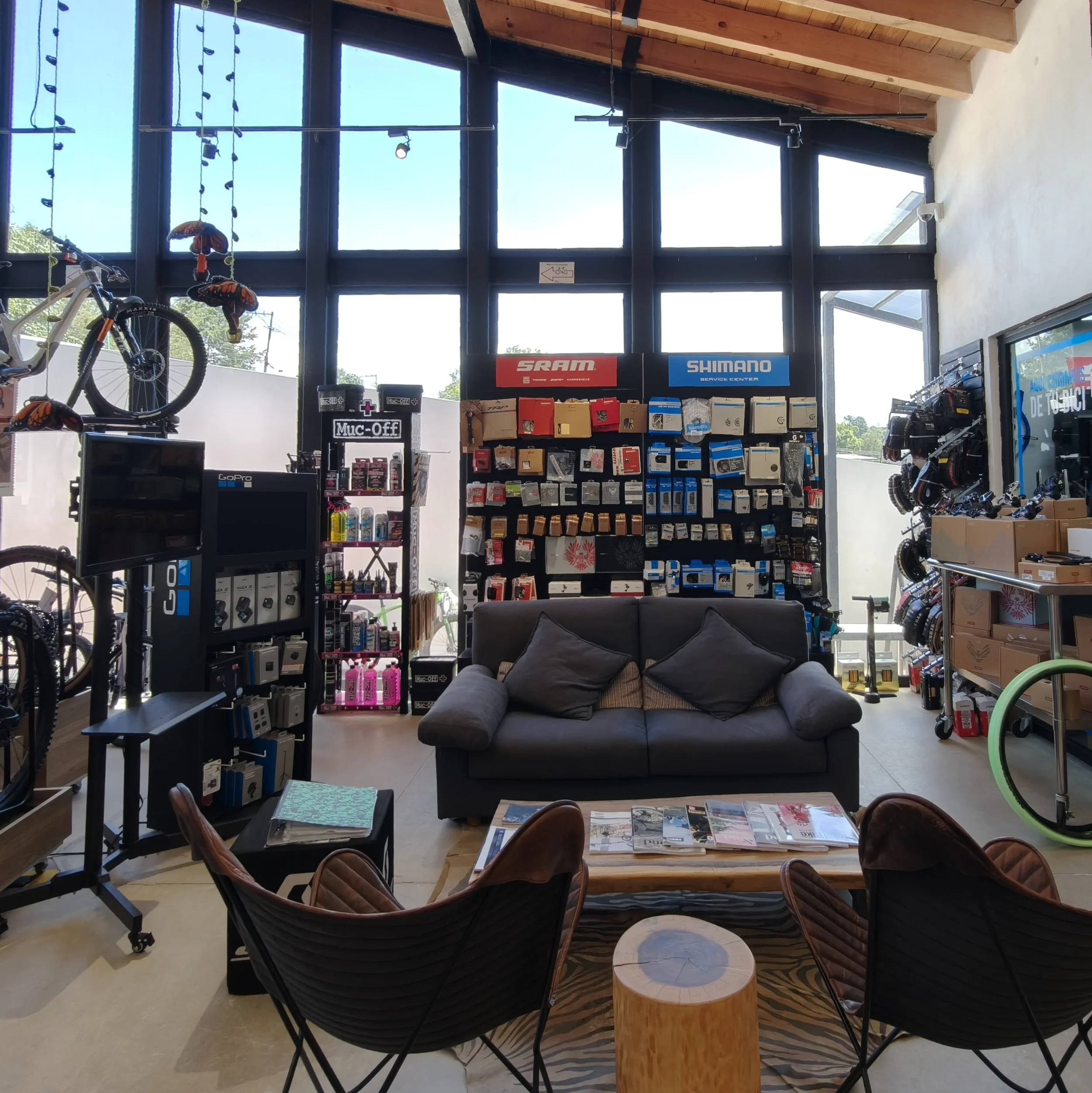
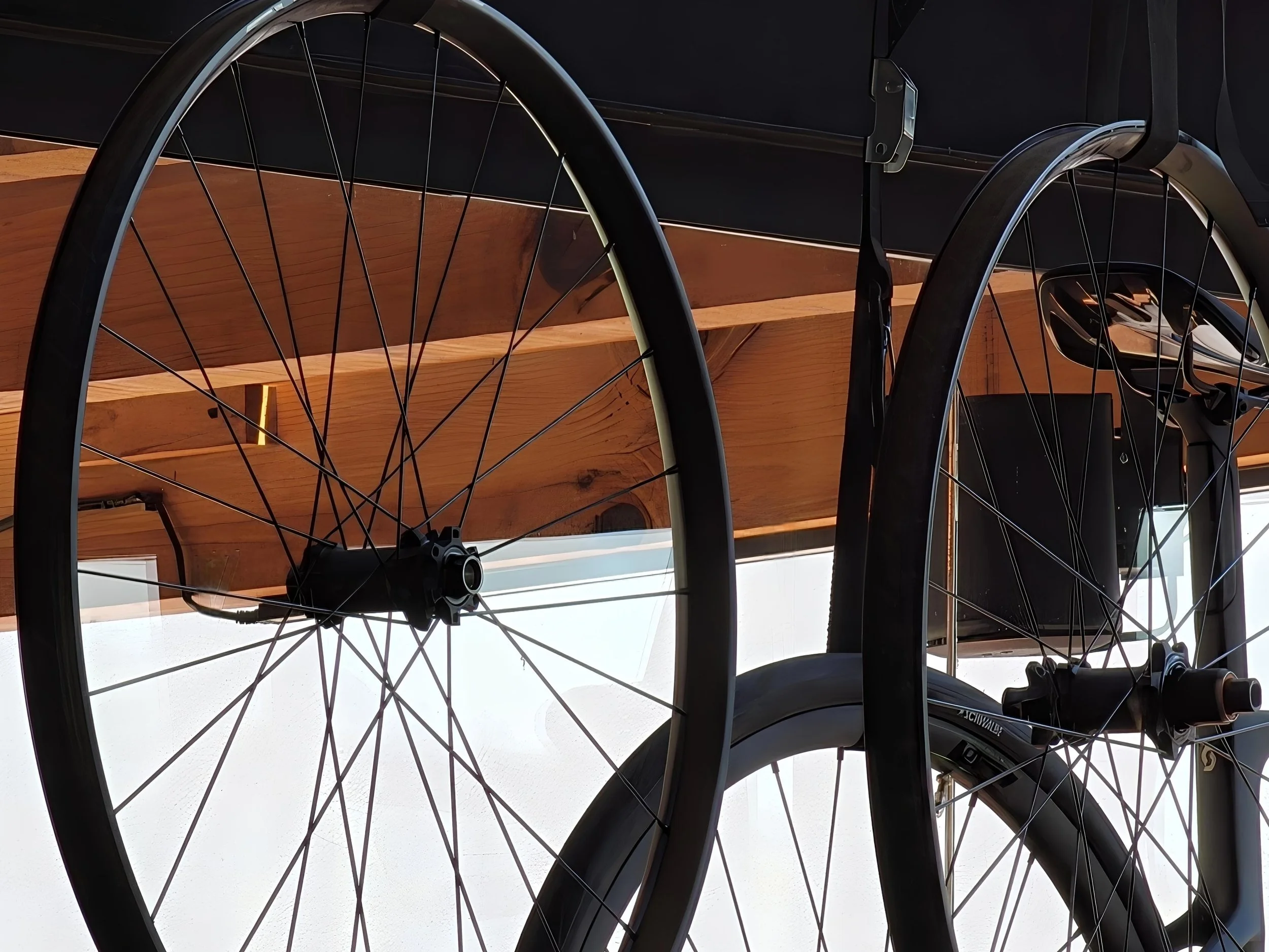
Spaces like Living For Bikes respond to that transformation by creating environments that feel closer to hospitality, community architecture and contemporary retail than to traditional commerce. Natural light, warm materials, suspended bicycles, technical tools and curated performance products coexist inside a setting shaped around movement itself.
The result is not simply transactional.
It is experiential.
Architecture for Movement
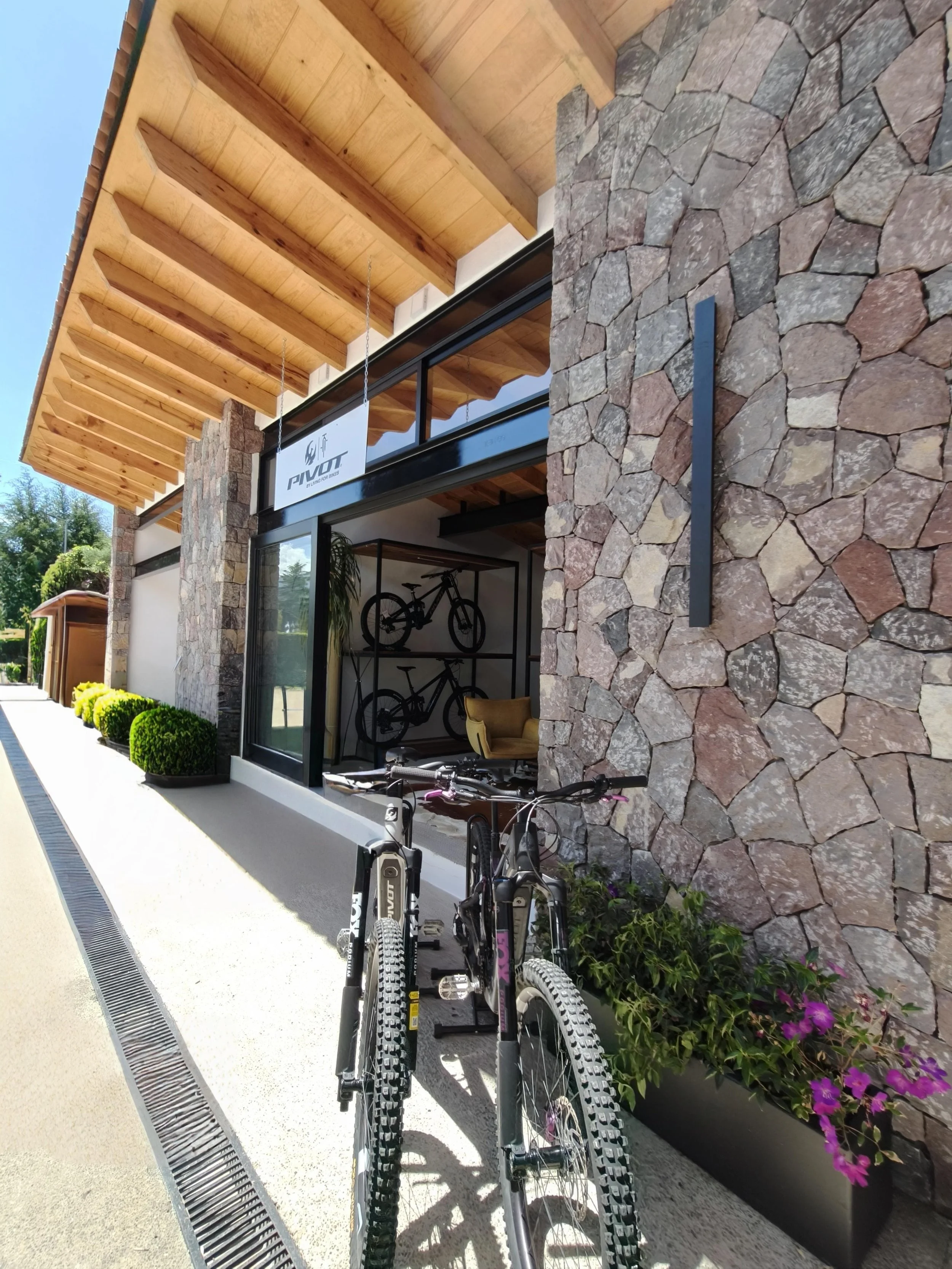
What makes places like Living For Bikes culturally relevant is not only the selection of products, but the spatial language through which the experience is framed.
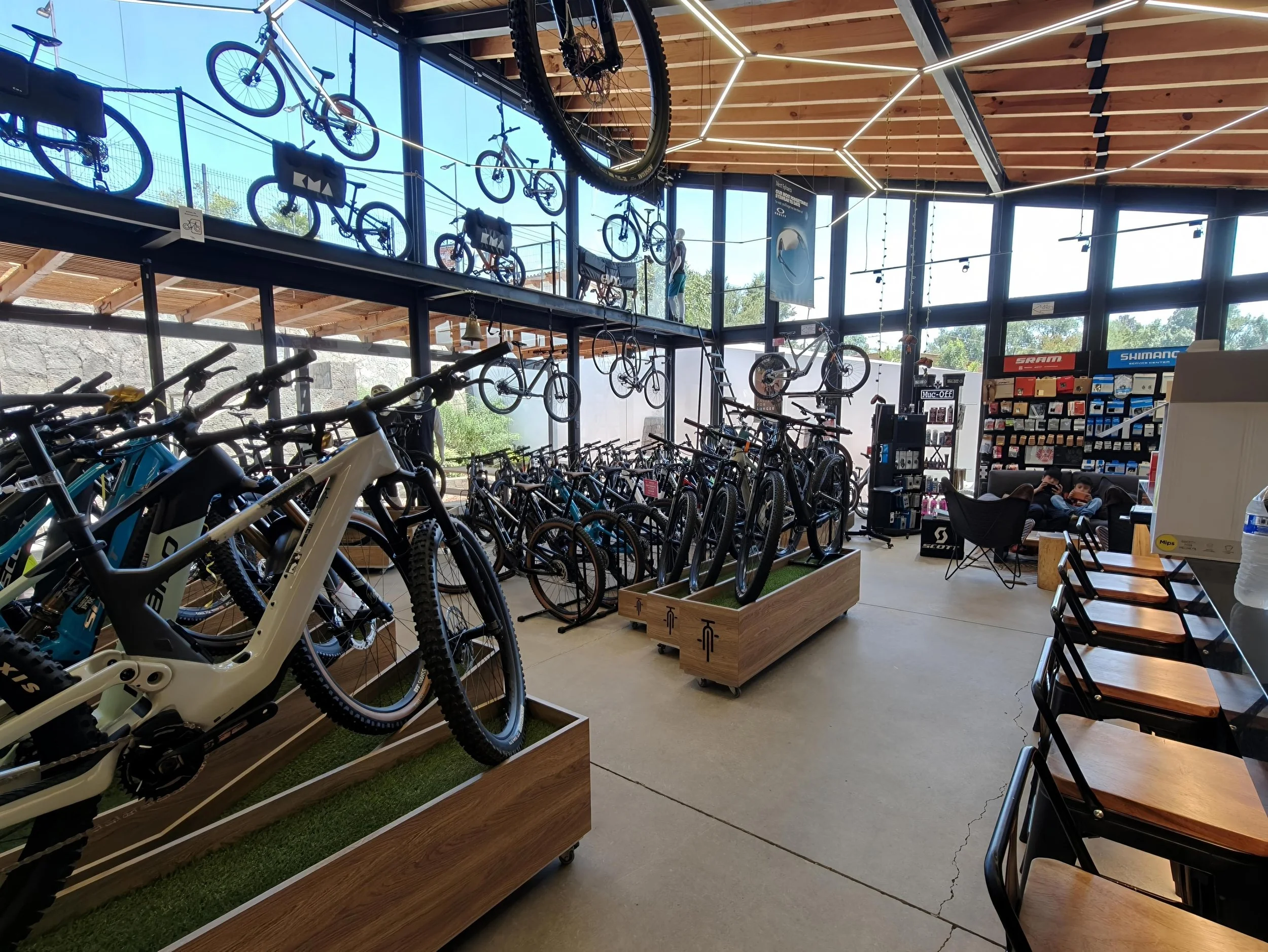
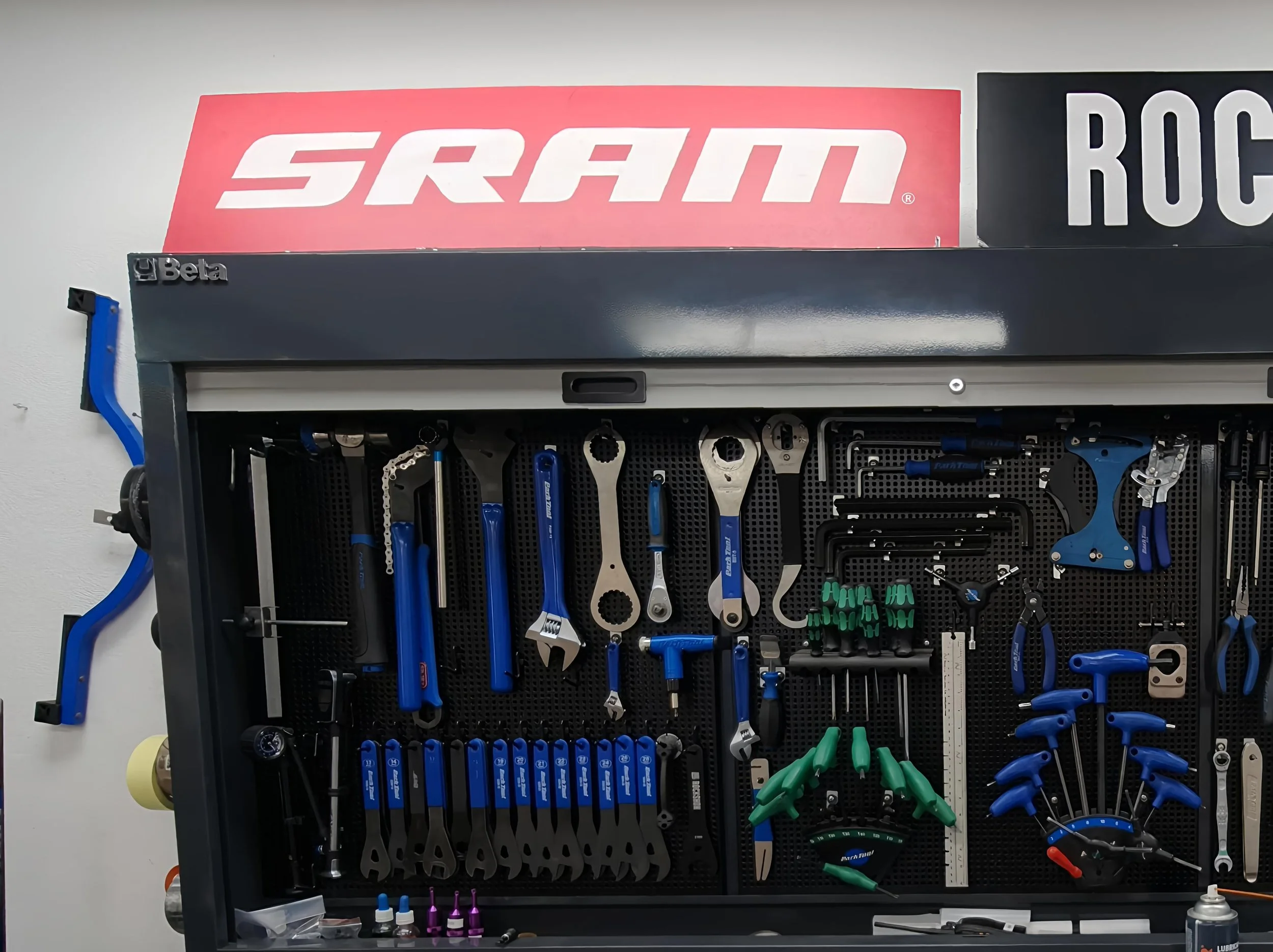
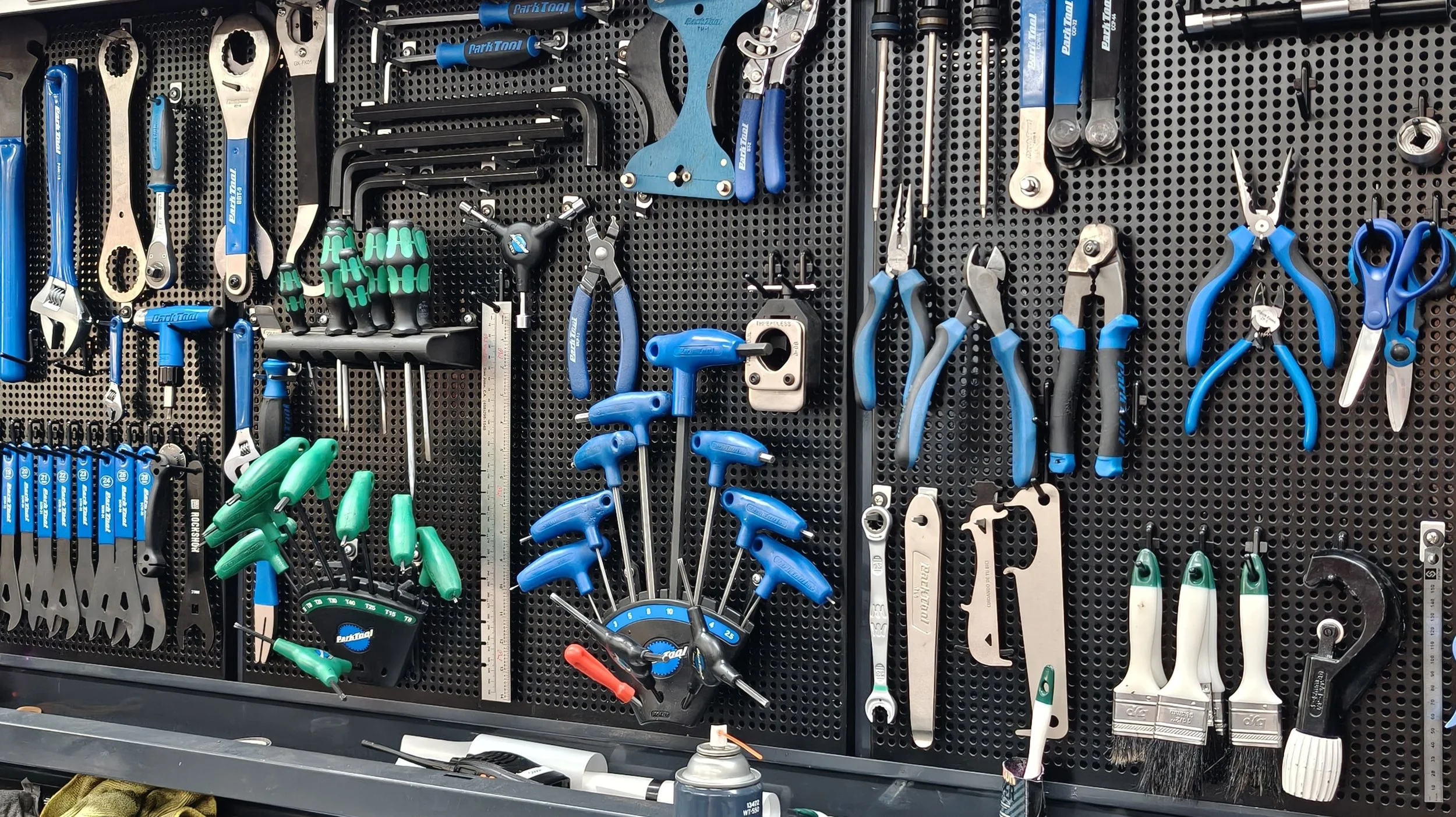
Wood structures, exposed steel frames, transparent façades and open interiors establish a dialogue between mountain landscape and technical performance. Inside, bicycles appear almost as sculptural objects suspended in space. Workshop areas feel closer to precision laboratories. Coffee rituals coexist with tuning stations, route conversations and moments of pause before or after the ride.
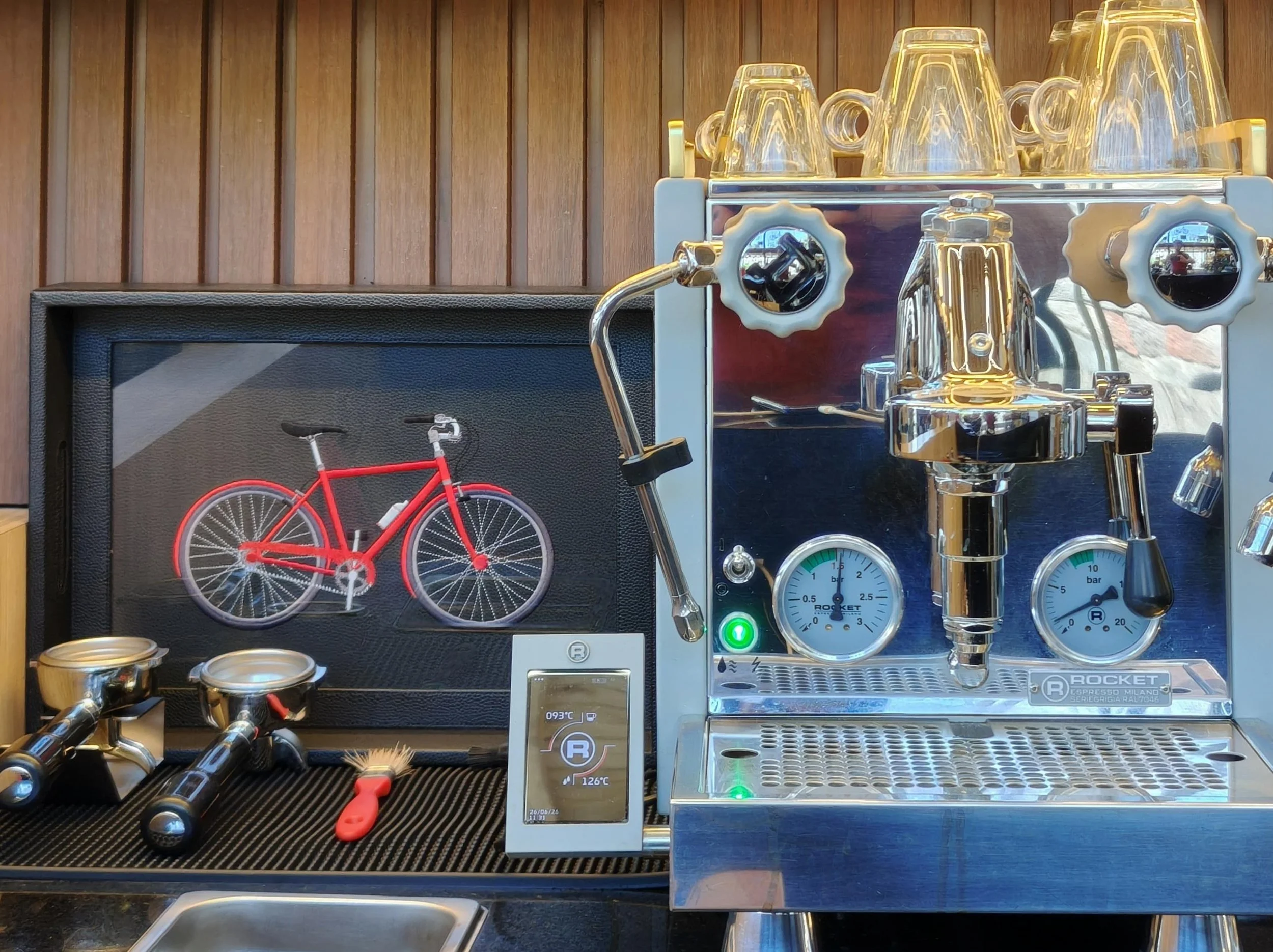
This reflects a larger contemporary shift: performance is becoming aesthetic.
And increasingly, architecture plays a central role in how outdoor culture is lived, shared and remembered.
Repair Culture and Intelligent Longevity
One of the most significant aspects of today’s cycling culture is also one of the most overlooked: maintenance.
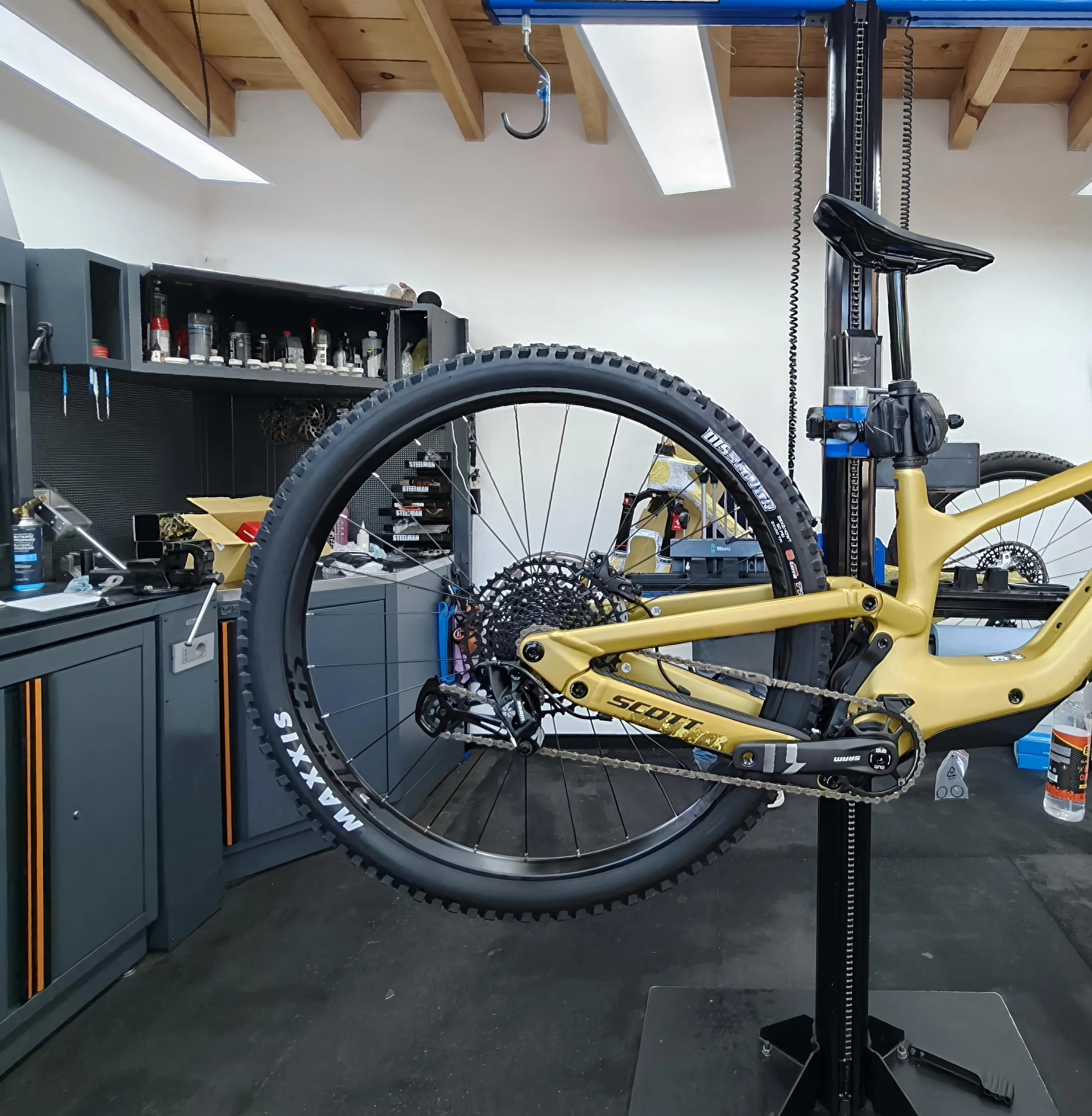
In an era shaped by disposable consumption, repair culture is quietly emerging as a new form of luxury. Precision service, suspension tuning, technical adjustment and component longevity suggest a different relationship with objects — one based on care, durability and performance rather than replacement.
This mindset aligns naturally with broader conversations around sustainability and responsible living. The future of premium lifestyle may not be defined by constant acquisition, but by how intelligently we maintain what already performs exceptionally well.
In that sense, Living For Bikes is not only about equipment. It is about stewardship.
Community Beyond Retail
More than selling bicycles, spaces like Living For Bikes create gathering points for contemporary outdoor communities.
Morning rides.
Route conversations.
Coffee rituals.
Workshop knowledge.
Shared terrain.
Shared performance.
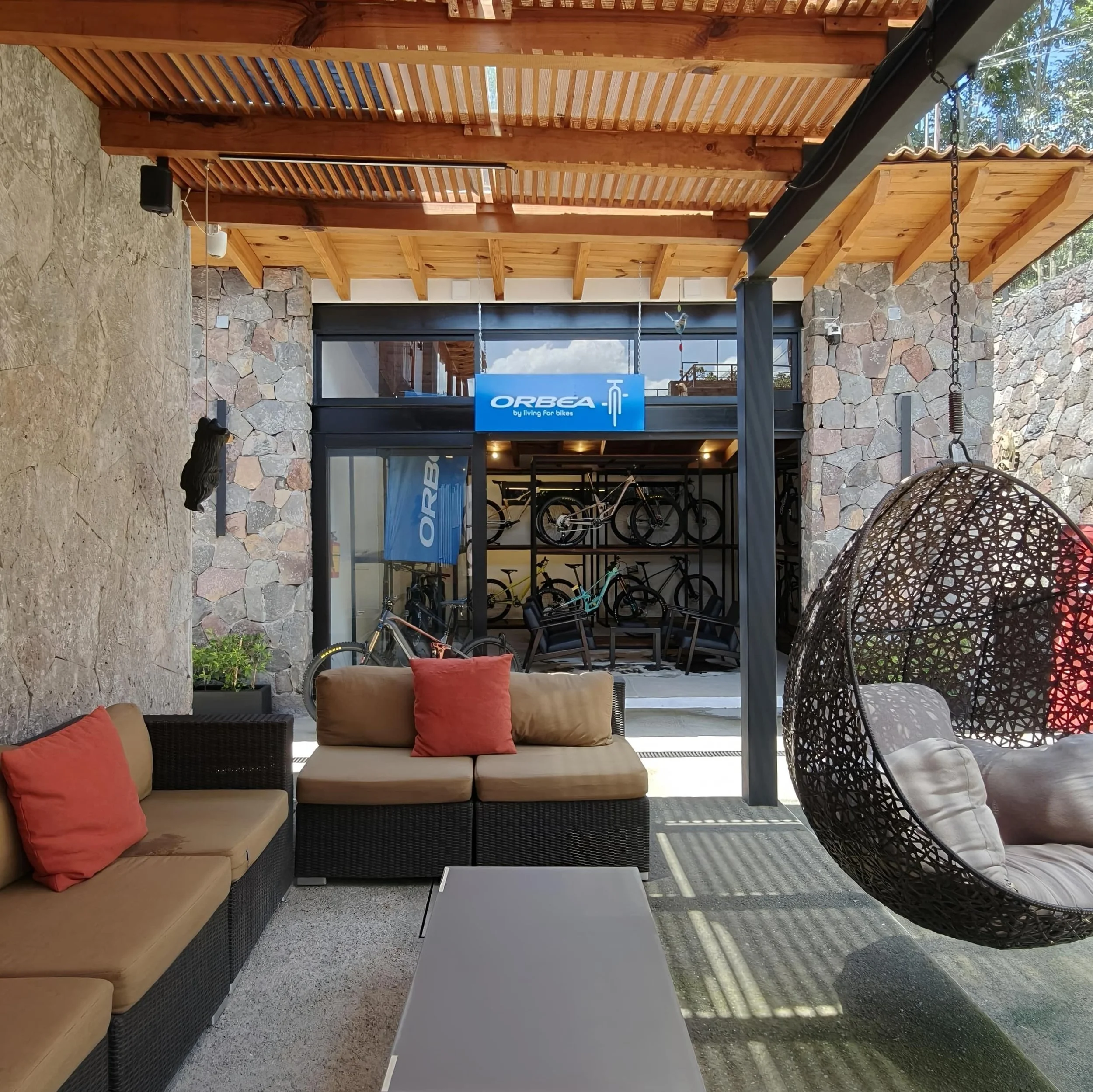
Cycling becomes a form of social infrastructure — one that reconnects people with movement, landscape and slower forms of interaction increasingly absent from urban life.
What emerges is not simply a customer base, but a culture.
The Future of Outdoor Living
The future of outdoor retail is no longer purely transactional.
It is architectural.
Experiential.
Community-driven.
And perhaps most importantly, it reflects a growing desire to reconnect performance with nature, mobility with responsibility and technology with human experience.
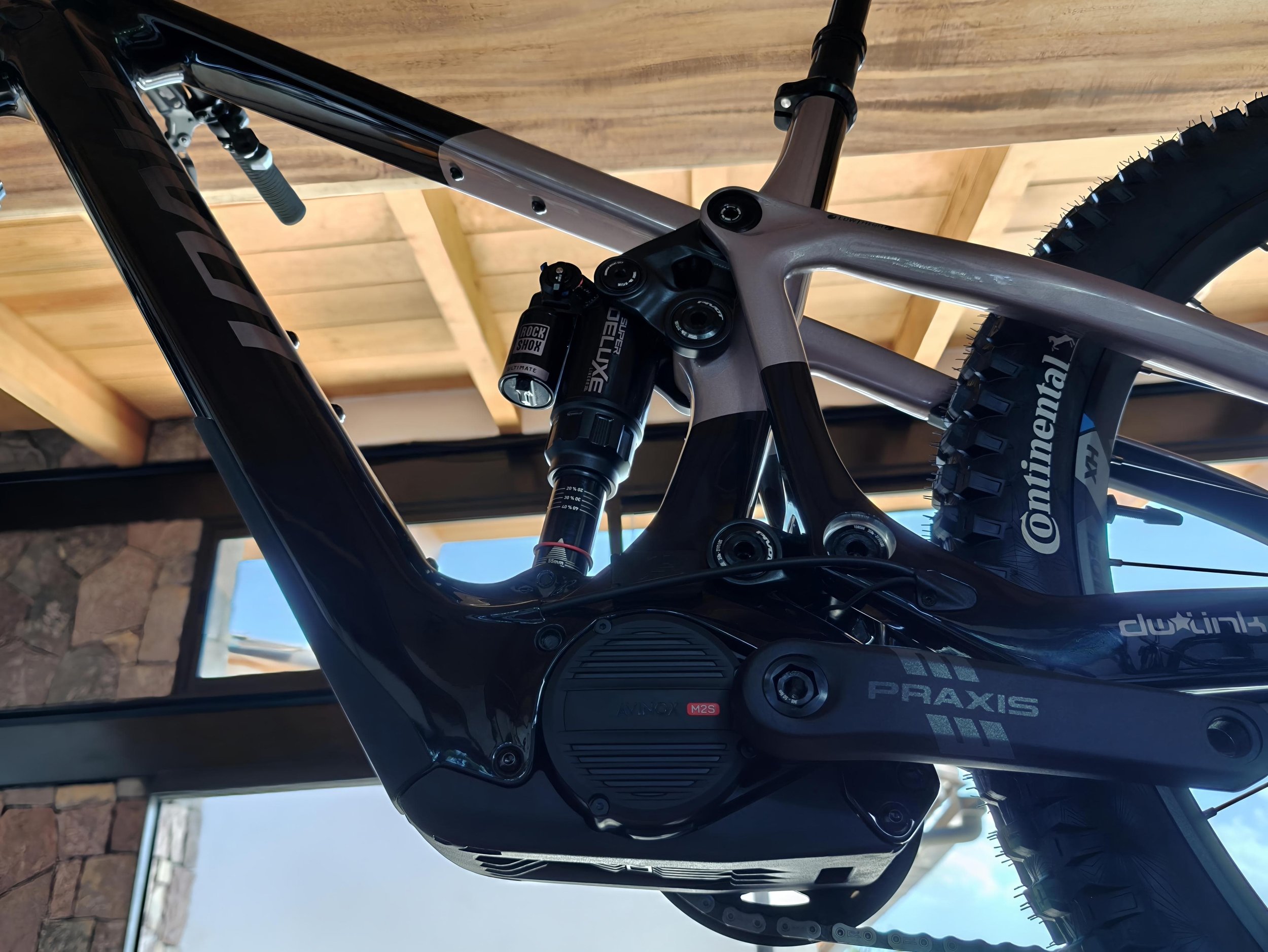
Living For Bikes offers an early signal of that transformation — where outdoor performance evolves into a broader cultural language shaped by repair, belonging and the rituals of movement.